
The United States is pulling back its diplomatic footprint in Saudi Arabia. On Wednesday, October 21, the State Department ordered the departure of non-essential staff and their families from the US Embassy in Riyadh and its satellite consulates, as near-daily Houthi attacks hit airports, an oil field and other critical infrastructure across the kingdom. (This is a new development — read our earlier coverage of Wednesday's deadly Dammam airport attack.)

US Orders Embassy Staff to Leave Saudi Arabia: What the State Department Said
Spokesman Tommy Pigott announced the move on X: "The U.S. Department of State issued an ordered departure for non-emergency U.S. government employees and their family members in Saudi Arabia." He added: "Iranian-supported Houthis have increasingly engaged in hostilities against Saudi Arabia, including attacks on civilian airports and other critical infrastructure resulting in civilian casualties and severe travel disruptions."
The Associated Press reported the order covers non-essential staff at the US Embassy in Riyadh and its satellite consulates. CNN added that "a few other US diplomatic posts in the region are also adjusting their staffing in response to the Houthi threat," citing a source. A State Department official was blunt about the reason: "This is about the Houthis."
Alongside the order came a fresh security alert for Americans: the department warned of potential attacks on airports and general travel disruptions, and said US government employees in Saudi Arabia now need special authorization from the Chief of Mission to use any airport in the kingdom, following "recent missile and UAV attacks on airports in the Kingdom."

Does the Order Cover Other Gulf Countries?
Here the picture gets complicated. A diplomatic source told AFP that "all American staff and their families have been ordered to depart from the US embassy" in the kingdom — and that families of embassy staff had also been ordered to leave the United Arab Emirates, Jordan, Qatar and Bahrain.
Pigott pushed back, saying the Wednesday order applied to "non-emergency US government employees and their family members in Saudi Arabia only." But Reuters reported that four US officials said US missions in other Gulf states would also be ordering family members to leave. The safe reading: the official order is Saudi-only, while further family withdrawals elsewhere in the region appear to be in motion.
Wednesday's Attacks: Shaybah Oil Field and Dammam Airport
The order followed one of the heaviest days yet. On Wednesday, Saudi Arabia said it intercepted at least seven drones, including one targeting the Shaybah oil field in the kingdom's Eastern Province. Falling debris from the interception killed two expatriate workers and injured two others, CNN reported. The Saudi energy ministry identified the dead as a Filipino and a Nepali national — but did not say who launched the drone, Reuters reported. India's embassy separately said one Indian national was injured in the Shaybah attack.
That evening, an attack on King Fahd International Airport in Dammam killed at least one person and wounded eight, according to Saudi Arabia's Civil Aviation Authority, with the airport sustaining damage still being assessed. (Full details in our Dammam report.)
Saudi Airports Under Severe Strain
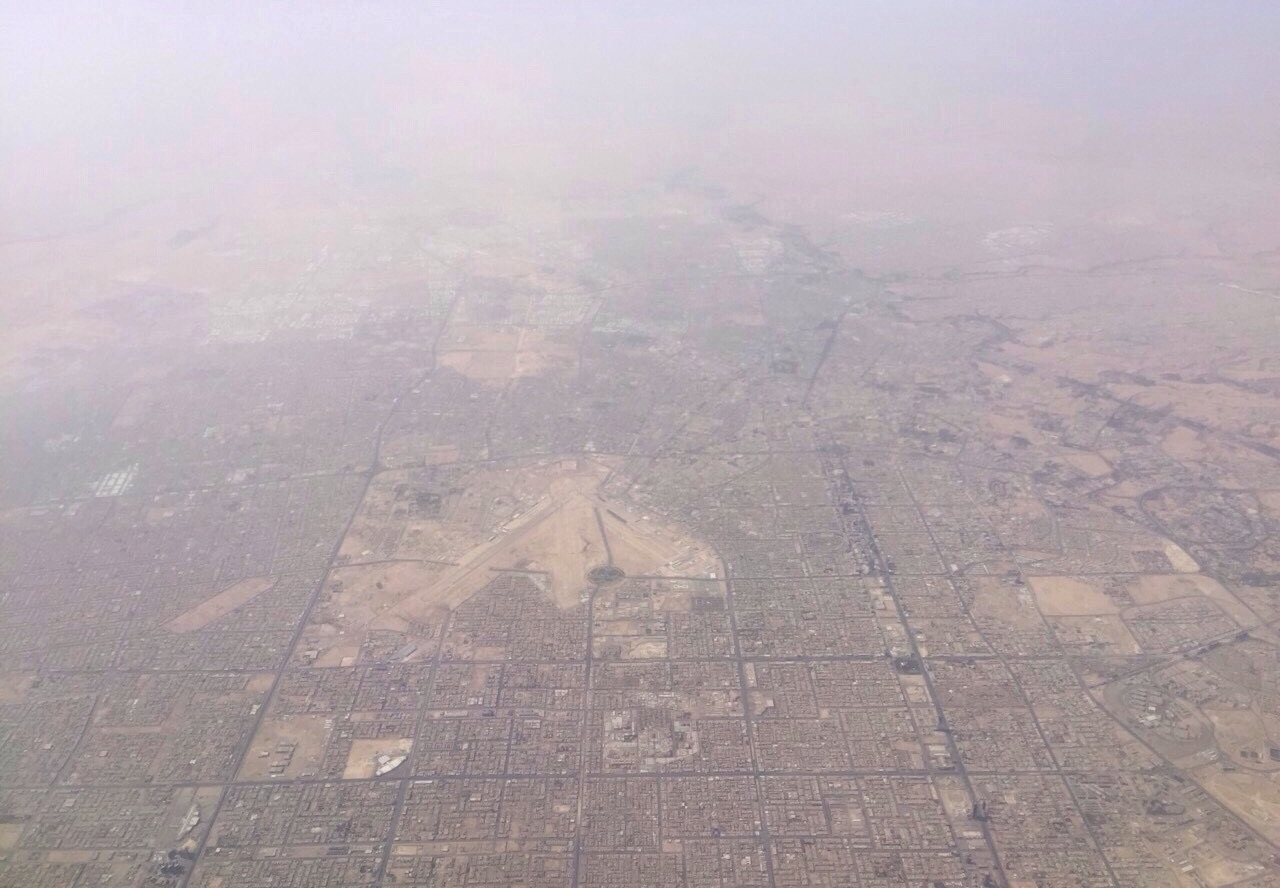
Riyadh's King Khalid International Airport has remained closed since October 10 after a severe Houthi attack. Saudi aviation authorities said Monday that operations might resume with prior permission — and on Wednesday, a limited number of Saudia and FlyNas flights did operate. But the big international carriers are staying away: Lufthansa and Air France have cancelled flights to and from Riyadh through mid-November. The State Department's alert says the hostilities "have the potential to escalate rapidly beyond that immediate area."
Allies Step Up as Trump Holds Back on Striking the Houthis
Saudi Arabia is not facing this alone. On Tuesday, the United Kingdom said it would deploy fighter jets to help defend the kingdom against Houthi attacks (see our RAF deployment story), and Egypt pledged "all necessary and possible forms of support" in recent days, CNN reported.
Washington has boosted intelligence and targeting support for Riyadh. But per CNN, President Donald Trump has so far decided against striking the Houthis directly, despite Saudi requests for more offensive help. Earlier this month he called the attacks "not acceptable" and said the US would "look at" whether to join the Saudis — a decision that may not hold, with reported US-Israeli strike planning for after the midterms (our earlier story).
Key Takeaways
- The State Department ordered non-essential embassy staff and families to leave Saudi Arabia on October 21, covering Riyadh and its satellite consulates.
- Spokesman Tommy Pigott cited escalating Houthi attacks on civilian airports and critical infrastructure, with civilian casualties and severe travel disruption.
- Wednesday alone brought a drone interception at the Shaybah oil field that killed two expatriate workers (a Filipino and a Nepali), and the Dammam airport attack that killed one and injured eight.
- Riyadh's main airport has been closed since October 10; only limited Saudi airline flights resumed Wednesday, with Lufthansa and Air France cancelled through mid-November.
- The order is officially Saudi-only, but AFP and Reuters sources say family withdrawals from other Gulf posts — the UAE, Jordan, Qatar and Bahrain — are also underway or expected.
Frequently Asked Questions
What is an "ordered departure"?
An ordered departure is a formal State Department directive requiring designated US government employees — here, non-emergency staff — and their families to leave a country over a security threat. It is a step below closing an embassy, which stays open with essential personnel.
Who exactly has to leave Saudi Arabia?
"Non-emergency U.S. government employees and their family members in Saudi Arabia," including staff at the US Embassy in Riyadh and its satellite consulates, per spokesman Tommy Pigott. Essential diplomatic and security staff stay. The embassy had already been running reduced staffing since the Iran conflict began.
Does the order cover the UAE, Qatar, Jordan or Bahrain?
Officially no — Pigott said it applies to Saudi Arabia only. But a diplomatic source told AFP that embassy families were also being withdrawn from those four countries, and Reuters quoted four US officials saying other Gulf missions would follow suit. The situation is still developing.
Why are the Houthis attacking Saudi Arabia?
The Iran-backed Houthi rebels in Yemen have intensified strikes on Saudi airports, oil infrastructure and military sites this month as the conflict with the Saudi-led coalition escalates. A four-year truce in Yemen's civil war collapsed in June, reviving fighting that dates back to 2014.
Is Riyadh's airport open?
King Khalid International Airport has been closed since October 10 after a severe Houthi attack. Saudi authorities said flights could resume with prior permission, and a limited number of Saudia and FlyNas flights operated Wednesday — but Lufthansa and Air France remain cancelled through mid-November.
Are ordinary US citizens being told to leave?
No evacuation of private citizens has been ordered. The State Department issued a security alert urging Americans to watch for potential airport attacks and travel disruption, and said US government personnel need special permission to use any Saudi airport.
Why It Matters
Washington does not order its diplomats out lightly. The move signals that American intelligence sees the Houthi campaign as sustained and escalating — a direct threat to oil infrastructure, air travel and regional stability, with the risk of a wider confrontation involving Iran.
What Happens Next
Three things to watch: whether family withdrawals spread to other Gulf capitals, as Reuters' sources suggest; whether Saudi air defences can keep pace with the drone and missile tempo; and whether Trump keeps holding back from direct strikes on the Houthis, with US-Israeli strike planning reportedly underway for after the midterms.
By GlobalDeskNews Staff
Sources
- CNN: US orders departure of some embassy staff and families from Saudi Arabia amid Houthi threat (October 21, 2026)
- Associated Press via The Indian Express: US pulls non-essential staff out of Saudi Arabia amid Houthi attacks (October 22, 2026)
- Reuters via Geo News: US orders embassy staff to leave Saudi Arabia as deadly Houthi strikes take a turn for worse (October 22, 2026)
- AFP via The Times of Israel: US orders embassy staff, families to leave Saudi Arabia amid escalating Houthi attacks (October 22, 2026)
- The Times: US withdraws diplomats from Saudi Arabia amid deadly Houthi attacks (October 22, 2026)