
By GlobalDeskNews Staff | October 22, 2026
Dammam Airport Attack: What Saudi Authorities Confirmed
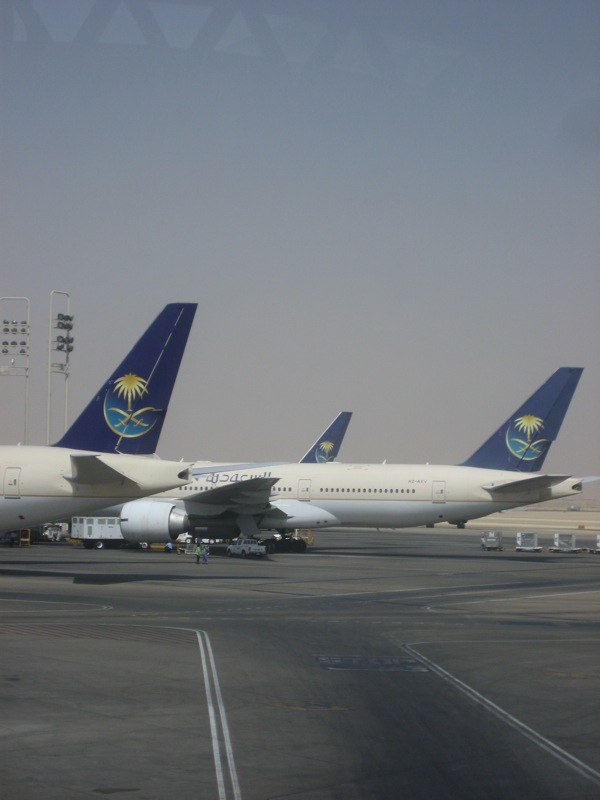
Saudi Arabia's General Authority of Civil Aviation announced that one Saudi resident was killed in attacks on Wednesday evening at King Fahd International Airport in Dammam, in the kingdom's east on the Persian Gulf. Eight people were injured and have been transferred to a hospital, the authority said, adding that the airport sustained material damage that was still being assessed.
The aviation authority did not say who carried out the attack. The Associated Press reported that the Iranian-backed Houthis have not commented on this attack.
Global flight-tracking service Flightradar24 said overnight Thursday on X that flights had been diverted away from the airport — a fresh sign of how vulnerable the kingdom's airports have become.


US Orders Embassy Staff and Families to Leave Saudi Arabia
The attack landed hours after Washington made one of its starkest moves yet in the crisis. The US State Department issued an ordered departure for non-emergency US government employees and their family members in Saudi Arabia, a step it takes only when a threat is judged serious.
“The U.S. Department of State issued an ordered departure for non-emergency U.S. government employees and their family members in Saudi Arabia,” State Department spokesperson Tommy Pigott wrote on X. “Iranian-supported Houthis have increasingly engaged in hostilities against Saudi Arabia, including attacks on civilian airports and other critical infrastructure resulting in civilian casualties and severe travel disruptions.”
The State Department also issued a security alert on Wednesday warning US citizens about potential attacks on airports and general travel disruptions. The alert said US government employees in Saudi Arabia now need special authorization from the chief of mission to use any airport in the kingdom following recent missile and drone attacks.

Shaybah Oil Field Deaths and Wednesday's Drone Wave
The Dammam attack was the deadliest of several strikes on Wednesday. Earlier in the day, Saudi Arabia's energy ministry said falling debris from the interception of a drone targeting the Shaybah oil field killed two expatriate workers — a Nepali and a Filipino national — and injured two others, Pakistani and Indian nationals. The debris sparked a fire in a contractor's vehicle at the Shaybah field in the Eastern Province. The ministry did not say who launched the drone.
Interceptions continued across the kingdom on Wednesday. CNN reported that Saudi Arabia intercepted at least seven drones that day; the AP reported that the Saudi coalition intercepted four drone attacks in the Eastern region.
How the Houthi Campaign Has Escalated This Month
The attacks on Dammam and Shaybah extend a campaign that has struck Saudi airports and oil facilities with growing intensity. Riyadh's King Khalid airport, shut down on October 10, reopened for domestic flights on Wednesday, though Lufthansa and Air France have canceled service through mid-November, the AP reported.
The human cost is mounting. Last month, debris from an intercepted Houthi drone killed a Yemeni resident of Saudi Arabia — the first civilian casualty since the Houthis increased attacks, the AP reported.


On Tuesday the United Kingdom said it would deploy fighter jets to defend Saudi Arabia, and Egypt pledged “all necessary and possible forms of support,” CNN reported. The US has stepped up intelligence and targeting support for the kingdom — but CNN reported that President Donald Trump has so far decided against striking the Houthis.
Read our earlier coverage: Saudi Arabia's official confirmation of the Riyadh airport toll, Houthis deny Medina drone attack as Saudi intercepts drones, Sisi: Egypt will defend Saudi Arabia, not attack Yemen, and Saudi intercepts Houthi ballistic missile.
Why It Matters
Wednesday was a turning point in two ways. First, the Dammam strike put a second major Saudi international airport in the line of fire within weeks, after Riyadh's King Khalid airport was shut down on October 10. Second, the US ordered departure — a rare, blunt signal — showed Washington now judges the threat to its own people in the kingdom as serious enough to pull them out. Airlines, energy markets, and millions of expatriate workers are all watching what happens next.
What Happens Next
The immediate questions are whether Dammam's airport can reopen safely and whether the Houthis escalate the campaign. Saudi air defenses remain on high alert, and Saudi-backed forces in Yemen have expanded operations against Houthi positions, CNN reported. The bigger unknown is Washington: the Trump administration has boosted intelligence support for Riyadh but has so far declined the offensive strikes Saudi Arabia has been asking for. If airport attacks continue, that calculus could change fast.
Key Takeaways
- One Saudi resident was killed and eight injured in an attack on King Fahd International Airport in Dammam on Wednesday evening, Saudi aviation authorities said.
- Flightradar24 reported overnight that flights were being diverted away from the airport; the airport sustained material damage still being assessed.
- The US State Department ordered non-emergency embassy staff and families to leave Saudi Arabia, citing Houthi attacks on airports and critical infrastructure.
- Earlier Wednesday, falling debris from an intercepted drone killed two expatriate workers at the Shaybah oil field; the dead were Nepali and Filipino nationals.
- The Houthis have not commented on the Dammam attack; Saudi Arabia and its allies, including the UK and Egypt, are stepping up defenses.
Frequently Asked Questions
What happened at Dammam airport?
Saudi Arabia's civil aviation authority said one Saudi resident was killed and eight people were injured in attacks on Wednesday evening at King Fahd International Airport in Dammam. The airport sustained material damage, and Flightradar24 said flights were diverted away overnight.
Who was behind the Dammam airport attack?
No one has claimed responsibility. The Associated Press reported that the Iranian-backed Houthis have not commented on this attack, though they have been behind a wider wave of missile and drone strikes on Saudi airports this month.
Why did the US order its embassy staff to leave Saudi Arabia?
The State Department said the ordered departure of non-emergency staff and family members responded to escalating Houthi attacks on Saudi airports and critical infrastructure, which it said had caused civilian casualties and severe travel disruptions.
What happened at the Shaybah oil field?
Saudi Arabia's energy ministry said falling debris from an intercepted drone killed two expatriate workers — a Nepali and a Filipino national — and injured two others, Pakistani and Indian nationals. The debris sparked a fire in a contractor's vehicle.
Is Riyadh's airport open?
King Khalid International Airport in Riyadh, shut down on October 10 after Houthi strikes, reopened for domestic flights on Wednesday, with Saudia and FlyNas operating, according to FlightAware data cited by the AP. Lufthansa and Air France have canceled service through mid-November.
How are other countries responding?
The UK said on Tuesday it would deploy fighter jets to help defend Saudi Arabia, and Egypt pledged all necessary support, CNN reported. The US has stepped up intelligence and targeting support but has so far decided against striking the Houthis directly.
Sources
- Associated Press, via The Korea Times — “1 person killed in attack on eastern Saudi airport, authorities say” (Oct 21, 2026)
- Reuters — “Saudi civil aviation says one killed, eight injured in attack on King Fahd airport” (Oct 21, 2026)
- CNN — “US orders departure of some embassy staff and families from Saudi Arabia amid Houthi threat” (Oct 21, 2026)