
Quick Answer: Britain will deploy RAF Typhoon fighter jets on defensive missions to protect Saudi cities and critical infrastructure from Houthi drone and missile attacks, the UK Ministry of Defence announced on Tuesday. The jets will fly in a strictly defensive role and will not conduct offensive strikes, following a direct Saudi request as attacks by the Iran-aligned group intensify.
Britain is sending fighter jets to the Middle East. The UK Ministry of Defence confirmed on Tuesday, October 20, that Royal Air Force Typhoon jets will fly defensive air missions to help shield Saudi Arabia from Houthi aerial attacks.
"The UK will fly defensive counter air missions to support the protection of Saudi cities and critical national infrastructure against aerial attack, using RAF Typhoon fighter jets," the ministry said.
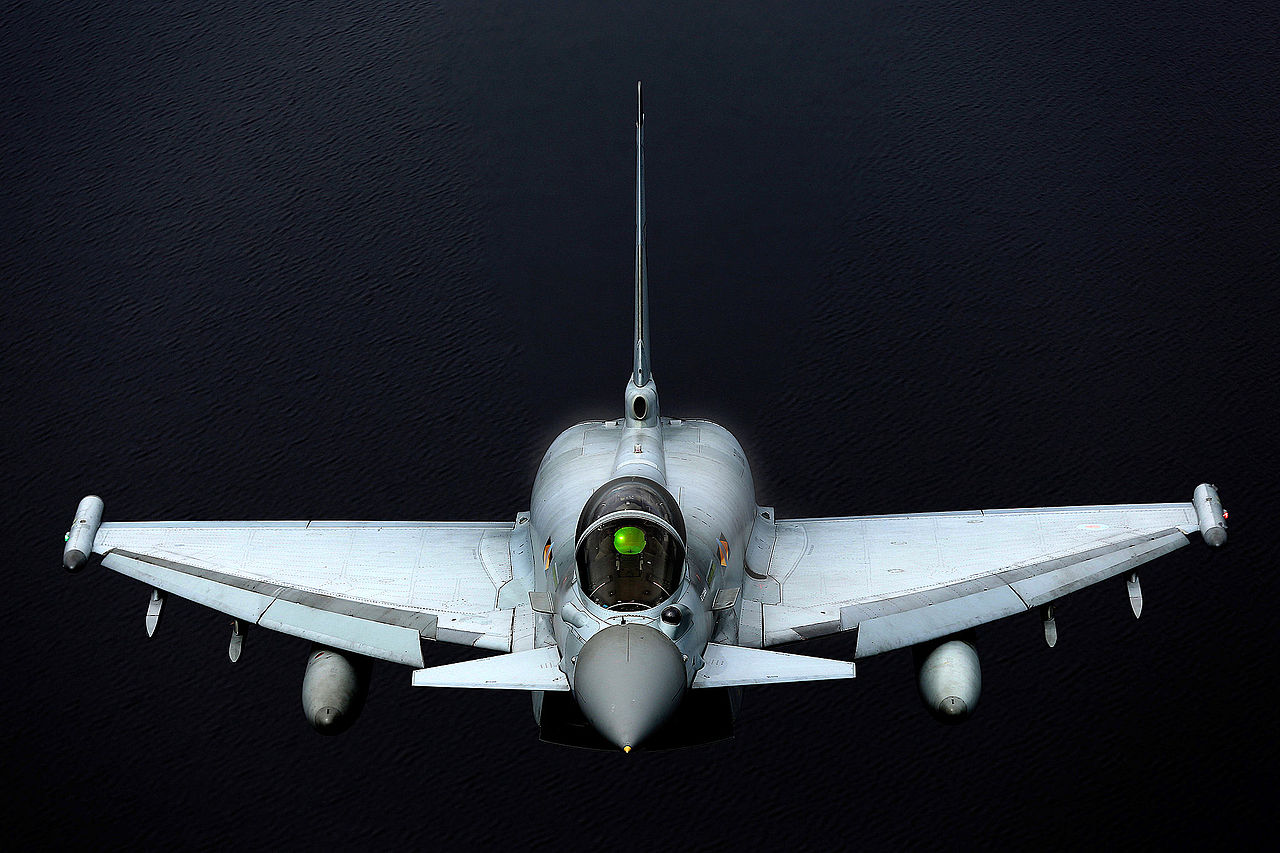
What the RAF Typhoon deployment to Saudi Arabia involves
The package goes beyond the fighter jets. Britain will also deploy an Atlas A400M transport aircraft and military advisers, and extend air-to-air refuelling support for Saudi air operations. It builds on assistance announced in September that included an RAF Voyager refuelling aircraft — but no combat jets. The ministry stressed the aircraft "would operate only in a defensive role and would not conduct offensive strikes" against the Iran-aligned Houthis.
The move follows a direct request from Saudi Arabia's government, which Prime Minister Andy Burnham had said earlier this month Britain was prepared to consider. Bloomberg first revealed the deployment before the defence ministry confirmed it on Tuesday.
Wes Streeting: Houthi attacks "absolutely despicable"
Defence Secretary Wes Streeting approved the deployment personally.

"The continuing attacks from the Houthis on our ally Saudi Arabia are absolutely despicable. The targeting of the airport in Riyadh in particular shows the lengths the Houthis are going to escalate the situation in the region," Streeting said.
"That's why today I have approved further UK military support. RAF Typhoons will fly defensive air missions to help protect Saudi airspace from drones and missiles," he added.
Why the Houthi attacks on Saudi Arabia have escalated
The announcement comes amid heavy fighting between the Houthis — also known as Ansar Allah — and Yemen's internationally recognised government, backed by Saudi Arabia. In recent weeks, the Houthis have hit the kingdom with missiles and drones, including oil facilities and Riyadh's main airport, while the Saudi-led coalition has struck Houthi positions.

- The Times reported that thirteen civilians died in an attack on King Khalid airport on October 10, and that Saudi Arabia announced on Tuesday it had downed a missile over Riyadh, where the airport remains closed.
- Reuters reported that authorities inside Yemen said a Houthi strike on Monday against a training camp for Saudi-backed government security forces killed 58 people.
- Saudi forces shot down a Houthi ballistic missile fired at Riyadh, as GlobalDeskNews reported earlier today.
- Houthi media said eight air strikes hit the Sahar district in Yemen's Saada governorate on Tuesday, with shelling in Shada causing three casualties.
Energy markets are feeling it. Brent crude has pushed past $111 a barrel — its highest in five months. Oil was already nearing $110 as the attacks offset sanctions relief elsewhere, GlobalDeskNews reported on Monday.
Rising energy prices helped drive the UK decision
Reporting from London, Al Jazeera's Camille Nedelec said the decision was partly driven by growing concerns over rising energy prices. "What's happening in the Gulf has a direct impact on people's homes," she said, adding that the move "shows increasing engagement by the UK" in the region.
The UK announcement came a day after Egypt's parliament delayed — for a second day — a vote on authorising military support for Saudi Arabia, with a new session set for October 26. On the diplomatic track, Pakistan's army chief Asim Munir arrived in Tehran on Tuesday for Iran-US mediation talks.

Key takeaways
- Britain will fly RAF Typhoon fighter jets on defensive missions to protect Saudi cities and critical infrastructure from Houthi aerial attacks.
- The jets will operate in a strictly defensive role — offensive strikes against the Houthis are ruled out.
- The package adds an Atlas A400M transport aircraft, military advisers, and extended refuelling support, following a direct Saudi request.
- Wes Streeting called the Houthi attacks "absolutely despicable," citing the targeting of Riyadh's airport as proof of escalation.
- The decision is partly driven by rising energy prices, with Brent crude above $111 a barrel, its highest in five months.
Why it matters
This marks a turning point in Britain's Gulf posture. Until now, London's support for Saudi Arabia against the Houthis stopped short of combat aircraft — September's package covered refuelling and equipment. Committing Typhoons puts British pilots in the path of incoming drones and missiles. For households, the link is simple: every attack on Saudi energy infrastructure nudges fuel prices higher, and Brent at $111 is already feeding into what families pay.
What happens next
Three things to watch. First, whether the RAF Typhoons — reported to be based in Qatar — begin intercepting Houthi drones and missiles over Saudi airspace, and whether that draws a Houthi response. Second, Egypt's parliament reconvenes on October 26 to vote on military support for Saudi Arabia. Third, the oil market: if attacks continue, Brent could push well past $111.
Frequently asked questions
Why are RAF Typhoons flying over Saudi Arabia?
Britain is deploying RAF Typhoon fighter jets on defensive missions to protect Saudi cities and infrastructure from Houthi drone and missile attacks. The UK Ministry of Defence announced the move on Tuesday, October 20, saying it followed a direct request from the Saudi government amid intensifying Houthi attacks.
Will the RAF jets attack the Houthis?
No. The ministry has stated explicitly that the Typhoons will operate in a "defensive role" only and will not carry out offensive strikes against the Iran-aligned Houthis. Their mission is to intercept incoming drones and missiles over Saudi airspace, not to hit targets inside Yemen.
What did Wes Streeting say about the deployment?
Defence Secretary Wes Streeting said he had approved "further UK military support" because Houthi attacks on Saudi Arabia were "absolutely despicable." He pointed to the targeting of the airport in Riyadh as evidence of how far the Houthis were going to escalate the situation.
What else is Britain sending besides the Typhoons?
Alongside the fighter jets, Britain will deploy an Atlas A400M transport aircraft and military advisers, and extend air-to-air refuelling support for Saudi air operations. The package expands on September assistance that included an RAF Voyager refuelling aircraft but no combat jets.
How have Houthi attacks escalated recently?
In recent weeks the Houthis have struck Saudi oil facilities and Riyadh's main airport. The Times reported 13 civilians died in an October 10 attack on King Khalid airport, and Reuters reported Yemeni authorities said a Monday strike on a Saudi-backed training camp killed 58 people.
Sources
- Al Jazeera, UK to deploy Typhoon jets to help defend Saudi Arabia from Houthi attacks, October 20, 2026 (MoD statement, Streeting quotes, energy-price angle, Egypt parliament context).
- Reuters (via The Jerusalem Post), UK's RAF to defend Saudi Arabia against Houthi attacks, October 20, 2026 (MoD statement, Streeting and Burnham details, Atlas A400M and September-package context, 58-killed training-camp strike).
- The Times, RAF jets to protect Saudi Arabia's skies from Houthi rebels, October 20, 2026 (Typhoons based in Qatar, October 10 airport attack toll, Tuesday missile intercept, Bloomberg first report).
- Al Jazeera, Iran war live: 2 tankers on fire in Hormuz; air strikes target Houthis, October 20, 2026 (Brent above $111, Saada air strikes, Saudi missile intercept).
By GlobalDeskNews Staff | 20 October 2026