
Saudi Arabia carried out a strike on an oil facility in Yemen’s capital Sanaa on Tuesday, the clearest sign yet that its campaign against the Houthis is moving into a more dangerous phase. Houthi-run media reported that the Saudi-led coalition hit the Yemen Petroleum Company’s central station at Al-Sabaha, on the western edge of the city, hours after the coalition publicly ordered civilians to evacuate the site ahead of a military operation.

An AFP correspondent in Sanaa reported hearing an explosion, and Al-Masirah TV, the Houthis’ broadcaster, said the strike hit the oil company’s compound. The Yemen Petroleum Company later said the Al-Sabaha facility held no petroleum stocks at the time, adding that the attack would not affect fuel reserves or supply chains — though the company’s statement was plainly aimed at calming panic buying that followed the coalition’s warning.
Saudi Arabia Strikes Sanaa After Rare Evacuation Warning
The evacuation order itself was notable. Coalition spokesperson Turki al-Malki posted a map marking the compound on X earlier Tuesday and urged residents to stay clear “for their own safety.” According to AFP, it was the first time the coalition had issued such an order for the Yemeni capital since the war flared up again in July, after years of relative calm on the Saudi-Yemeni front.
The strike came in the middle of a week of relentless escalation. The Houthis have been hammering Saudi airports for days — a ballistic missile strike on Riyadh’s King Khalid International Airport on Saturday killed 13 people and wounded more than 300, the deadliest attack on the kingdom in over a decade. A second attack on Sunday killed one person and injured nearly a dozen. Saudi authorities extended the airport’s closure until October 17, and a Notice to Airmen confirmed the shutdown would last until 9 p.m. GMT on Saturday.
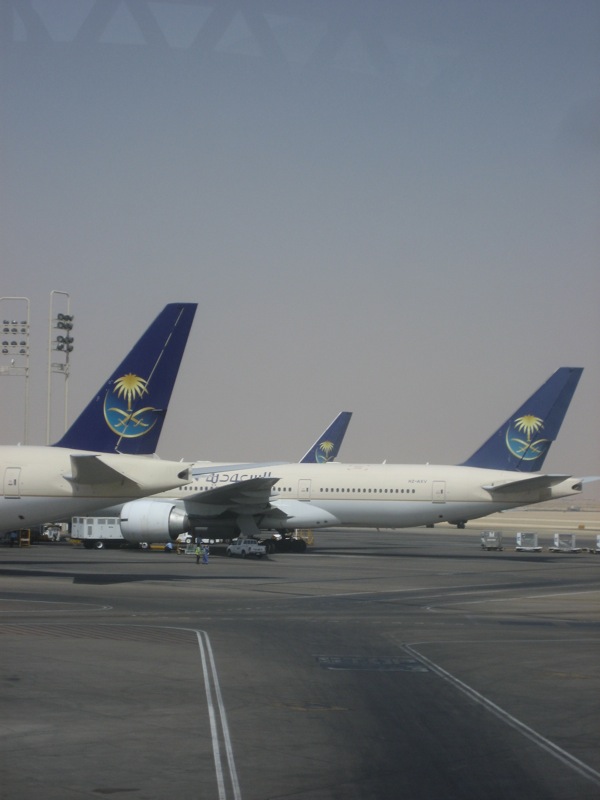
Houthis Threaten Riyadh Airport and Aramco
The Houthis wasted no time answering. Military spokesperson Yahya Saree warned on X that any strike on Sanaa would draw a “harsh and painful” response in the Saudi capital, naming three targets: Riyadh’s airport, the Saudi Aramco headquarters in Dhahran, and an oil refinery in Riyadh. The group also warned employees and civilians to evacuate Saudi Aramco facilities, declaring them “legitimate targets.”
The Saudi cabinet, chaired by Crown Prince Mohammed bin Salman, issued a statement saying the Houthis would face consequences for their repeated attacks on the kingdom. The coalition said on Tuesday it had also intercepted three drones north of Riyadh, a sign the threat to the capital’s skies is far from over.
Key Takeaways
- Tuesday’s strike: The Saudi-led coalition hit the Yemen Petroleum Company’s Al-Sabaha station west of Sanaa after a public evacuation warning — the first such order in the capital since July.
- Houthi response: Yahya Saree threatened a “harsh and painful” retaliation against Riyadh’s airport, Aramco headquarters, and a Riyadh refinery.
- Airport crisis: King Khalid International Airport remains closed until October 17; 46.4% of flights across all Saudi airports were cancelled.
- The toll: Saturday’s missile strike on Riyadh airport killed 13 and wounded 300+; Sunday’s follow-up killed one more.
- The bigger picture: Saudi Arabia resumed its Yemen campaign to reverse Houthi gains along the Red Sea coast near the Bab el-Mandeb Strait.
- Diplomacy: Trump spoke with Crown Prince Mohammed bin Salman on Tuesday; Erdogan also pledged Turkey’s support to the kingdom.
Why It Matters
For a few years the Saudi-Houthi front had mostly quietened, but it has roared back to life with remarkable speed. The Houthis swept down the Red Sea coast last month toward the critical Bab el-Mandeb Strait — the southern gateway to the Red Sea that has become even more vital for global energy supplies since Iran closed the Strait of Hormuz in February. Riyadh, in turn, has resumed its military campaign to roll back those gains, and both sides are now striking at each other’s infrastructure with a directness rarely seen before.
The aviation fallout alone is already one of the most significant disruptions of the conflict. Mark Zee, founder of aviation safety group OPSGROUP, called the sustained attacks on civil aviation “unprecedented,” and the group advised airlines to avoid the southern corridor over the Middle East altogether. Airlines across Europe and Asia have suspended services; Delta delayed its planned Atlanta–Riyadh launch, initially due October 23, until March 2027. Air France-KLM extended its Riyadh suspension through the end of the month.

What Happens Next
The immediate question is how the Houthis make good on their threat. Saree’s naming of specific Aramco targets is unusually precise, and past weeks show the group can reach deep into Saudi territory. The coalition, meanwhile, has shown it is willing to strike inside Sanaa — a step that raises the stakes for the Houthi-held capital’s residents.
Diplomatically, the lines are forming. US President Donald Trump told reporters he spoke with Crown Prince Mohammed bin Salman on Tuesday and said the Houthis were “behaving very badly,” adding that he may ask Turkish President Erdogan to intervene in support of Saudi interests. Erdogan himself told the crown prince on Tuesday that Turkey would stand by the kingdom. Iran’s foreign minister, meanwhile, has offered to mediate between Riyadh and the Houthis — an offer that drew little visible enthusiasm in the Saudi capital.
Lebanese President Joseph Aoun also called the crown prince on Tuesday to express solidarity after the airport attacks, a small signal of how the crisis is registering across the region. What matters most in the coming hours is whether Tuesday’s strike produces a Houthi response overnight — if it does, the exchange of blows could define the rest of the month.

Frequently Asked Questions
What did Saudi Arabia strike in Sanaa on Tuesday?
According to Houthi-run Al-Masirah TV and an AFP correspondent who heard an explosion, the Saudi-led coalition struck the Yemen Petroleum Company’s Al-Sabaha central station on the western outskirts of Sanaa. The company said the depot held no petroleum stocks, so the strike should not disrupt fuel supplies.
Why did the coalition warn civilians before the strike?
Coalition spokesperson Turki al-Malki posted a map of the Al-Sabaha compound on X and urged civilians to evacuate “for their own safety” ahead of the operation. It was the first such public evacuation warning for Yemen’s capital since the war reignited in July.
How did the Houthis respond to the Sanaa strike?
Houthi military spokesperson Yahya Saree threatened a “harsh and painful” response, naming Riyadh’s airport, the Aramco headquarters in Dhahran, and a Riyadh oil refinery as potential targets. He urged employees and civilians near Aramco facilities to stay away.
Is Riyadh airport still closed?
Yes. King Khalid International Airport has been shut since Saturday’s deadly attack and will remain closed until October 17, according to a Notice to Airmen. Aviation analytics firm Cirium reported 46.4% of flights across all Saudi airports have been cancelled.
What did Trump and Erdogan say about the escalation?
Trump said he spoke with Crown Prince Mohammed bin Salman on Tuesday, calling the Houthis’ behaviour very bad, and floated asking Erdogan to intervene on Saudi Arabia’s behalf. Erdogan separately told the crown prince that Turkey stands by the kingdom.
How does this connect to the Red Sea and Bab el-Mandeb?
The Houthis seized much of Yemen’s Red Sea coast last month, moving toward the Bab el-Mandeb Strait — a chokepoint that matters more than ever since Iran closed the Strait of Hormuz in February. Saudi Arabia resumed its Yemen campaign specifically to reverse those gains.
Related Coverage
- Riyadh Airport Shut Until October 17 After Missile Attacks
- Saudi Arabia Intercepts Three Houthi Missiles; Trump Warns
- Houthis Warn of ‘Swift, Painful’ US Response Over Yemen
Sources
- Korea Times, “Saudi Arabia strikes Yemen capital as Houthis vow to retaliate,” published 13 Oct 2026 — koreatimes.co.kr
- L’Orient Today, “Saudi strikes hit oil facility near Sanaa as Houthi attacks disrupt Riyadh airport,” 13 Oct 2026 — lorientlejour.com
- Free Malaysia Today (AFP), “Houthi media says Saudi Arabia hit oil facility near Sanaa,” 13 Oct 2026 — freemalaysiatoday.com
- Ada Derana (AFP), “Oil facility near Yemen capital Sanaa hit by Saudi Arabia, Houthis say,” 13 Oct 2026 — adaderana.lk
- The Times of India live blog, Iran-war live updates, 13 Oct 2026 — timesofindia.indiatimes.com