
By GlobalDeskNews Staff | 13 October 2026
Yemen's Houthi movement has warned the United States it will face a "swift and painful" retaliation if Washington joins Saudi Arabia's military campaign in Yemen. The warning came from Mohammed al-Bukhaiti, a member of the Houthis' political bureau, in an interview with the AFP news agency reported on Tuesday, October 13 — landing just as President Trump weighs whether American forces should enter the fight.
Quick Answer: Houthi official Mohammed al-Bukhaiti told AFP that if the US enters the Yemen war, the group "will not deliberate over the decision to respond" and will deliver a "swift and painful" strike on American targets and interests across the region. It follows Trump's statement that he is considering joining Saudi strikes after the deadly Riyadh airport attack.

What the Houthis' warning to the US really means
Bukhaiti's message was blunt and aimed squarely at Washington. Asked what the Houthis would do if the United States entered the fight, he said the group would not hesitate for a moment before hitting back — and that American forces, and every US interest across the region, would be fair game.
It is a direct threat, on the record, against the United States — and it comes at a moment when Trump has been openly weighing American military involvement. On Monday, Trump said the Houthis were "misbehaving very badly," called Saturday's airport strike "not acceptable," and confirmed he planned to speak with Saudi Crown Prince Mohammed bin Salman about next steps.
Bukhaiti went further. He told employees and workers at Saudi oil facilities and airports to stay away from those sites, declaring them "legitimate targets" — a message designed to deepen the economic pressure Riyadh already faces.
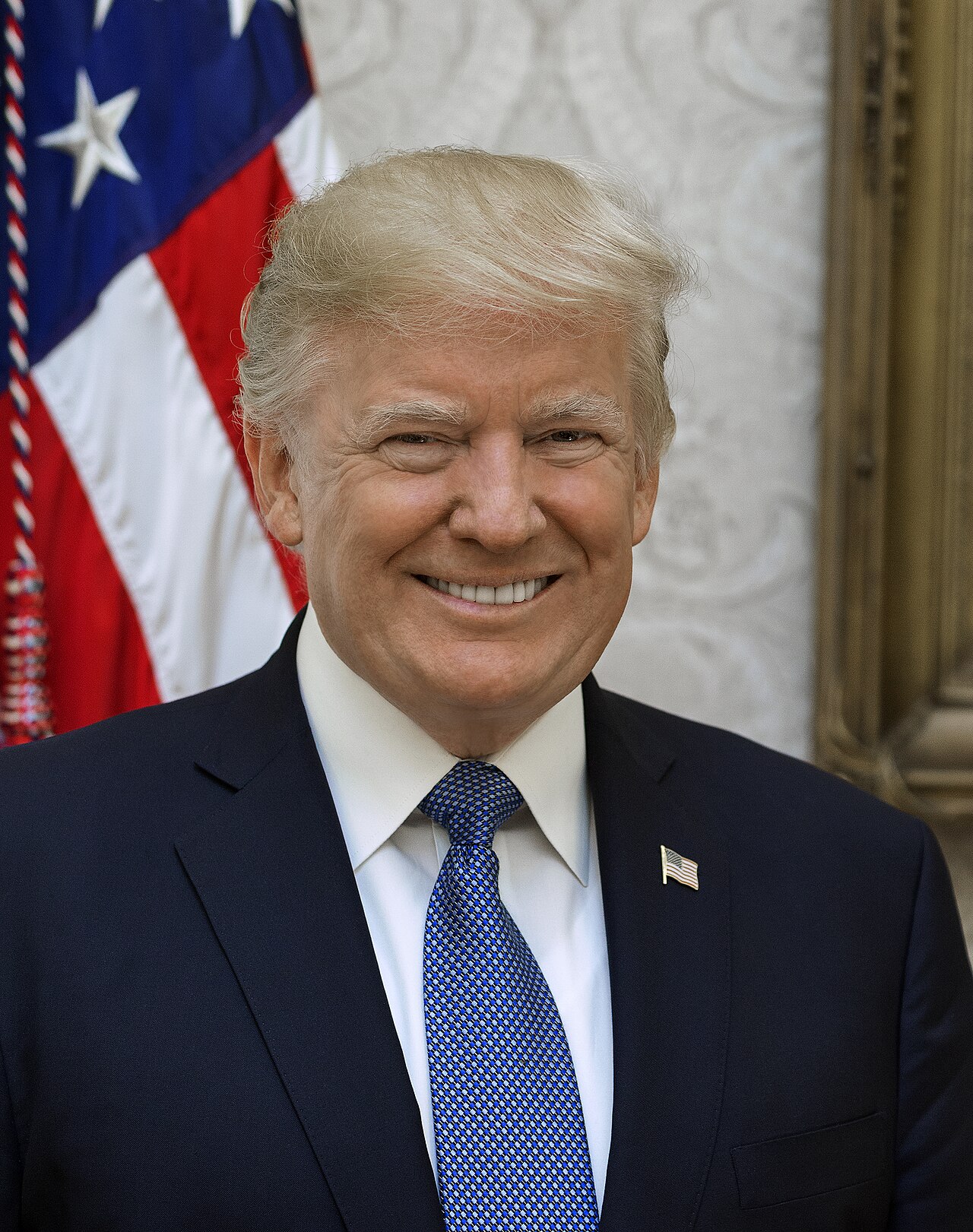
Trump's shifting position on US strikes
The president's stance has moved noticeably in days. On Saturday he condemned the airport attack and said it was "not acceptable." On Monday he hardened his tone, calling the Houthis' behavior unacceptable and signalling Washington was reviewing the option of joining Saudi operations.
That's a real shift: Trump had previously turned down Saudi requests for direct US military help against the Houthis, according to reports. American support has so far been limited mostly to intelligence sharing, and Bloomberg has reported that Riyadh is growing frustrated with the thin backing from Western allies, with several requests for extra defensive support still unapproved.
The Houthi warning now tries to freeze that decision. By threatening American personnel, bases, ships and diplomatic posts, the group is telling Trump that joining the Saudi campaign would carry a regional price tag — a high-risk gamble that could either deter Washington or convince it the Houthis must be confronted.
Monday night: missiles, sirens and a shut airport
The threat was made hours after another night of strikes and sirens over the Saudi capital. Blasts echoed over Riyadh on Monday night. The Saudi-led coalition said it had intercepted a Houthi ballistic missile heading for the capital; the Houthis claimed they had struck the airport with a ballistic missile, though Saudi authorities did not confirm that version of events.
The coalition also said it had intercepted and destroyed two ballistic missiles fired toward Khamis Mushait in the kingdom's southwest, home to a key Saudi air base. The Houthis separately said they targeted the base with a drone, again without Saudi confirmation.
The airport remains closed. Saudi civil aviation authorities extended the shutdown of King Khalid International Airport until Saturday to complete safety checks, and a Notice to Airmen issued Monday shows the closure running until October 17. Flight-tracking data shows aircraft avoiding the city and diverting to Jeddah; aviation analytics firm Cirium put cancellations across all Saudi airports at 46.4 percent.

How the conflict reached this point
Yemen's civil war — where a Saudi-led coalition backs the internationally recognized government against the Iran-backed Houthis — reignited in July. Since then, the Houthis have methodically targeted Saudi oil facilities, tankers, airports and military bases.
Saturday's strike on the Riyadh airport was the turning point: at least 13 people were killed and more than 300 wounded, the deadliest attack on Saudi soil in over a decade. The Houthis claimed responsibility. Sunday brought another attack that killed one person — a Pakistani resident, according to Saudi aviation authorities — and injured 11 more.
Riyadh has answered with its own air campaign, while the Houthis say Saudi forces carried out 119 strikes on Houthi-held areas in a single 24-hour stretch. The attacks have exposed gaps in Saudi air defenses: missiles have traveled more than a thousand kilometers to reach the capital. For the Houthis, the airport campaign is meant to show — in Bukhaiti's words — that Saudi leaders can no longer wage war on Yemen from a safe position.
Why this threat matters
A direct Houthi threat against the United States changes the character of the crisis. Until now this has been a Saudi-Houthi fight, with America on the sidelines. A "swift and painful" warning aimed at US regional interests pulls Washington into the blast radius whether it acts or not.
The timing is delicate. Trump faces midterm elections on November 3 and wants fuel prices down — an escalation that spikes oil prices hurts him politically. But a threat against Americans, left unanswered, carries its own cost. The Houthis understand both pressures, and the threat is calibrated to exploit them.
There's a regional domino effect too. Turkey and Pakistan signed the Makkah Joint Defence Agreement with Saudi Arabia in August, and both have signaled willingness to help defend the kingdom, though Turkey has ruled out joining offensive operations. Bukhaiti has separately warned both countries against intervening. The net is widening.
What happens next
Three things will decide how dangerous this gets. First, Trump's call: authorize US strikes, stay limited to intelligence support, or choose a middle path. The Houthi warning was designed to tilt him toward restraint.
Second, the Saudi response. Riyadh has promised a "decisive" answer to the airport attacks and is pressing allies for more defensive support. If the coalition's air campaign intensifies, the Houthis have shown they will answer with more missiles.
Third, the airport. The closure runs until at least October 17, and every extra day of cancelled flights and suspended operations deepens the economic damage — exactly the pressure Bukhaiti described.
Key Takeaways
- Houthi official Mohammed al-Bukhaiti told AFP the group would deliver a "swift and painful" response against the US and its regional interests if Washington joins Saudi Arabia's Yemen campaign.
- The warning follows Trump's statement that he is considering joining Saudi strikes after Saturday's airport attack killed at least 13 and wounded hundreds.
- Bukhaiti also warned workers at Saudi oil facilities and airports to stay away, declaring them "legitimate targets."
- Monday night saw blasts over Riyadh; the coalition said it intercepted missiles toward the capital and Khamis Mushait, while Houthi strike claims went unconfirmed by Riyadh.
- Riyadh's airport stays closed until at least October 17, with cancellations across Saudi airports at 46.4 percent, per Cirium.
- The threat tries to freeze Trump's decision: joining the campaign would expose US personnel and interests across the Middle East.
Frequently Asked Questions
What exactly did the Houthis threaten?
In an interview with AFP reported on Tuesday, Houthi political bureau member Mohammed al-Bukhaiti said that if the US entered the Yemen war, the group would respond without hesitation — a "swift and painful" strike aimed at American targets and interests across the region. He also warned workers at Saudi oil facilities and airports to leave those sites immediately.
Why did the Houthis warn the US now?
President Trump said on Monday he was considering joining Saudi military strikes against the Houthis after Saturday's deadly attack on Riyadh's King Khalid International Airport. The warning is a direct attempt to raise the cost of that decision by putting US personnel and assets in the region on notice.
Has Trump decided to strike the Houthis?
No decision has been announced. Trump called Saturday's attack "not acceptable," said the Houthis were "misbehaving very badly," and confirmed he would speak with Saudi Crown Prince Mohammed bin Salman. US support remains limited to intelligence sharing, and reports say Trump previously rejected Saudi requests for direct American strikes.
Is Riyadh airport still closed?
Yes. Saudi civil aviation authorities extended the closure of King Khalid International Airport until Saturday, and a Notice to Airmen issued Monday shows the shutdown running until October 17. Flights are diverting to Jeddah, and cancellations across Saudi airports reached 46.4 percent, according to Cirium.
Why are the Houthis attacking Saudi Arabia?
The Houthis, an Iran-backed group controlling much of northern Yemen, say their campaign answers the Saudi-led coalition's offensive in Yemen's civil war, which reignited in July. Bukhaiti said the strikes are meant to show Saudi leaders they cannot wage war on Yemen from a safe position — bringing that war directly into Riyadh.
How dangerous is this escalation for Americans in the region?
The Houthis have explicitly put US military bases, ships, and diplomatic posts on notice if Washington intervenes, and have shown they can strike targets over a thousand kilometers away. How real the danger becomes depends on Trump's decision — restraint keeps the threat hypothetical; intervention would test it.
Read more on GlobalDeskNews
- Saudi Arabia Intercepts Three Houthi Missiles; Trump Warns
- Riyadh Airport Shut Until October 17 After Missile Attacks
- New Houthi Missile Barrage Hits Saudi Arabia; Airport Shut
Sources
- Reuters / The Jerusalem Post, "Houthis threaten 'swift, painful' response if US assists Saudi strikes in Yemen," October 13, 2026 — jpost.com
- TBS News, "Houthis warn of swift response if US intervenes in Yemen war," October 13, 2026 — tbsnews.net
- Malay Mail, "Houthis warn of 'painful response' if US joins Saudi strikes on Yemen," October 13, 2026 — malaymail.com
- ABP Live, "Houthis Warn US Of 'Painful Response' As Trump Slams Rebel Group Over Saudi Attacks," October 13, 2026 — news.abplive.com