
Saudi Arabia is bracing for more incoming fire. On Monday evening, October 12, the kingdom said it was facing a new Houthi missile barrage, with the Saudi-led coalition reporting drones and missiles heading toward the country — days after a strike on Riyadh's main airport killed 13 people and wounded more than 300, the deadliest attack on Saudi soil in over a decade.
King Khalid International Airport will stay closed "for now" while authorities check its facilities are safe. And diplomacy is stirring: Iran has offered to mediate between its Houthi allies and Riyadh, while the United Arab Emirates has called on Gulf states to act together on security.

New Houthi Missile Barrage Puts Saudi Arabia on Alert
Reuters reported Monday that the Saudi-led coalition had detected incoming drones and missiles, with no immediate word on whether they were intercepted. The warning came as the kingdom was still reeling from the weekend: Saturday's missile strike on a Riyadh airport departure terminal killed 13 and wounded over 300, and a Sunday strike on Terminal 4 set off a fire, killing one Pakistani resident and wounding 11.
Sunday's incident was the fourth reported strike on Riyadh's airport in five days, according to Arab News. Coalition air defenses also shot down a cruise missile near the airport. The kingdom's civil aviation authority confirmed that Dammam's King Fahd International Airport in the Eastern Province was targeted on Sunday evening too, with damage assessments underway.
The Houthis have claimed the attacks. In a televised speech Sunday, Houthi military spokesman Yahya Saree said the group carried out Saturday's airport strike and also hit Dammam airport and two Saudi Aramco facilities — claims not independently confirmed by Saudi authorities.
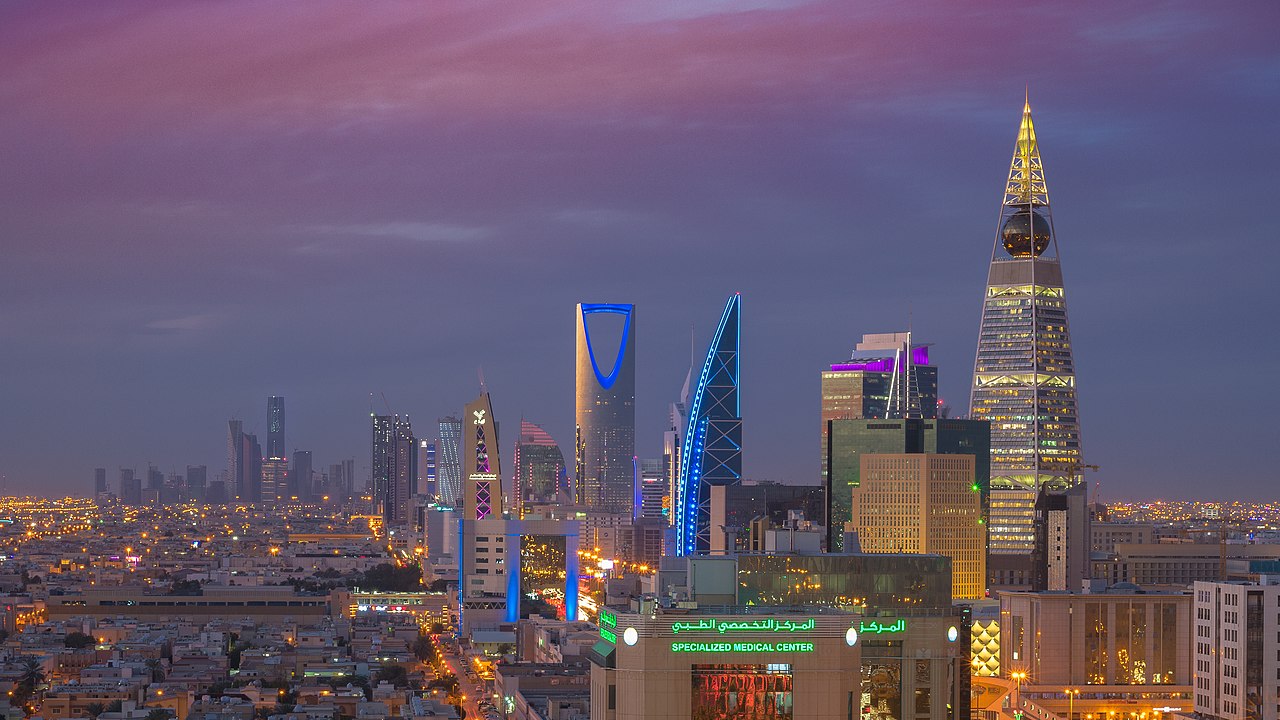
Riyadh Airport Stays Shut as Flights Collapse
Saudi Arabia's civil aviation authority announced Monday that the suspension at King Khalid International Airport would be extended so safety inspections could be finished. No reopening date was given.
The disruption is huge. Analytics firm Cirium found the airport cancelled 99.7% of Sunday's scheduled flights, and trackers showed no planes over Riyadh. The US Federal Aviation Administration advised American carriers Sunday to exercise caution flying to or over Saudi Arabia. Lufthansa Group has cancelled all Riyadh flights until October 16, and Air France-KLM has stretched its suspension to the end of the month.
Early Monday, Saudi air defenses intercepted and destroyed a ballistic missile fired toward Khamis Mushayt in the southwest, coalition spokesman Maj. Gen. Turki Al-Maliki announced on X. Civil defense also issued an alert for a possible attack on Abha before declaring the danger had passed.
Iran Offers to Mediate; UAE Calls for Joint Gulf Action
The most striking turn came from Tehran. Iranian foreign ministry spokesperson Esmaeil Baghaei said Monday: "We have repeatedly expressed our readiness to help facilitate dialogue between the parties." The offer stands out because Iran backs the Houthis — and is Saudi Arabia's longtime regional rival.
It followed a direct contact a day earlier: Saudi Foreign Minister Prince Faisal bin Farhan discussed de-escalation with Iranian Foreign Minister Abbas Araqchi on Sunday, according to the Saudi Press Agency, with Araqchi saying Tehran was ready to help facilitate dialogue.

The UAE pushed for collective action. Presidential adviser Anwar Gargash said Monday that the targeting of Saudi Arabia undermined the security of all Gulf states, adding that neglect of joint Gulf security had "emboldened others" to overreach. It matters because Riyadh and Abu Dhabi fought the Yemen war as partners for years before backing different forces and falling out last winter.
Washington may step in directly. President Donald Trump said Saturday the US was considering joining Saudi Arabia in strikes on the Houthis — though Reuters noted Monday there was still no sign of American action.
Why It Matters
This is no longer a border skirmish. The Houthis have hit Saudi airports and oil facilities repeatedly since last week, shutting parts of Saudi airspace and emptying the skies over a capital of 8 million — even as Riyadh hosted the 25th WPC Energy Conference. At that conference Monday, Saudi Energy Minister Prince Abdulaziz bin Salman insisted the kingdom would stay focused on drawing investment: "The development of our energy system and industrial capability continues."
The escalation feeds off the wider US-Iran confrontation. Saudi Arabia re-entered Yemen's war to push the Houthis from the Bab el-Mandeb Strait, a vital oil shipping lane, after the group's sudden advances in September. Yemeni military sources told Reuters that Riyadh-backed forces had made some gains around the strait but were on the back foot elsewhere — so military pressure may take time to bite, even as Saudi airstrikes intensified.

What Happens Next
Three things to watch. First, whether the coalition stops the latest incoming barrage — and whether the Houthis keep hitting Saudi airports, which they've called "a theatre of operations." Second, whether Iran's mediation offer becomes real talks; the Sunday call between the Saudi and Iranian foreign ministers is the first concrete channel. Third, whether the US moves from considering strikes to acting.
For travelers, it's simple: Riyadh's airport is closed with no reopening date, nearly all flights are cancelled, and major airlines are staying away for weeks. Check with your airline before heading to the airport.
Earlier coverage: Saturday's deadly airport strike, the Khamis Mushayt missile intercept, and airline suspensions to Riyadh.
Key Takeaways
- Saudi Arabia reported a new barrage of incoming Houthi drones and missiles on Monday, October 12; the coalition gave no immediate word on interceptions.
- Riyadh's King Khalid International Airport stays shut "for now" — 99.7% of Sunday's flights were cancelled and airlines are suspending service for weeks.
- Saturday's strike killed 13 and wounded 300+; Sunday's Terminal 4 strike killed one Pakistani resident and injured 11.
- Iran offered to mediate between Riyadh and the Houthis, a day after the Saudi and Iranian foreign ministers spoke directly.
- The UAE called for revived joint Gulf security action, saying neglect of collective defense had "emboldened others."
- Trump said Saturday the US may join Saudi strikes on the Houthis; no American action has been seen yet.
Frequently Asked Questions
Is Riyadh airport open now?
No. Saudi Arabia's civil aviation authority extended the suspension at King Khalid International Airport on Monday to finish safety checks, with no reopening date. The airport has been closed since Saturday's deadly strike, and 99.7% of Sunday's flights were cancelled.
How many people died in the Saudi airport attacks?
Saturday's missile strike on a Riyadh airport departure terminal killed 13 and wounded more than 300 — the deadliest attack on Saudi soil in over a decade, per Reuters. A Sunday strike killed one Pakistani resident and injured 11. It was the fourth reported strike on the airport in five days.
Why are the Houthis attacking Saudi Arabia?
The Iran-aligned Houthis have been hitting Saudi airports and oil facilities since last week as Yemen's war escalates again. Riyadh re-entered the conflict to push the group from the Bab el-Mandeb Strait, a key oil shipping route, after Houthi advances in September. The fighting is tangled up in the wider US-Iran confrontation.
What has Iran offered?
Iranian foreign ministry spokesperson Esmaeil Baghaei said Monday Tehran has "repeatedly expressed our readiness to help facilitate dialogue" between Saudi Arabia and the Houthis. It followed a Sunday call between the Saudi and Iranian foreign ministers on de-escalation — notable given the two countries' rivalry.
Has the US joined strikes against the Houthis?
Not yet. President Trump said Saturday Washington was considering joining Saudi Arabia in strikes on the Houthis, but Reuters reported Monday there was no sign of US action. The US is already in a wider confrontation with Iran that the Yemen fighting has spilled over from.
Which airlines cancelled Riyadh flights?
Lufthansa Group cancelled all Riyadh flights until October 16, and Air France-KLM extended its Riyadh suspension to the end of the month. The US FAA has advised American carriers to exercise caution flying to or over Saudi Arabia, so passengers should confirm flight status with their airline before traveling.
Sources
- Reuters — "Saudi Arabia faces new missile and drone fire after major attacks on airports" (October 12, 2026)
- Arab News — "Saudi Arabia tracks drone, cruise missile threats as Riyadh airport suspension extended" (October 12, 2026)
- Deccan Chronicle — "Closure of Riyadh Airport Extended After Deadly Houthi Strikes" (October 12, 2026)
- The Jerusalem Post (Reuters) — "One dead, 11 injured in latest Houthi attack on Saudi airport" (October 12, 2026)
By GlobalDeskNews Staff