

By GlobalDeskNews Staff | October 4, 2026
Brazil Votes: Lula and Flávio Bolsonaro Face Off in a Deeply Divided Nation
Brazil is voting today, October 4, 2026, in one of the most closely watched elections in the world. President Luiz Inácio Lula da Silva is seeking a record fourth term, which would bring his total time in office to 16 years. His main challenger is Senator Flávio Bolsonaro, who hopes to carry forward the political movement built by his father, former president Jair Bolsonaro. This article explains what is at stake and what could happen next. Results were still being counted when this was written, so check official sources for the final numbers.
Why this election matters
Brazil is the largest economy in Latin America, so the outcome matters well beyond its borders. Nearly 160 million registered voters are choosing lawmakers, governors and senators as well as a president. That makes today's vote a decision about the whole direction of the country, not just one office.
The race has also been unusually personal and polarised. Lula is running at the age of 80, while Flávio Bolsonaro carries the family flag after his father became ineligible to run following a conviction for plotting against the 2022 result. The vote is, in many ways, a rematch of the political fight that has shaped Brazil for the past several years.

Who are the main candidates?
Lula (Workers' Party): The incumbent leftist leader previously served from 2003 to 2011 and returned to power in 2023. He argues that his government has stabilised the country and that Brazil needs continuity. He has said he is convinced he can win in the first round.
Flávio Bolsonaro (Liberal Party): The senator leads the country's far-right movement. He has pledged to seek his father's release from prison if elected. His father, aged 71, is serving a 27-year sentence for trying to overturn his 2022 election loss.
There are 13 candidates in total, but this is effectively a two-person contest. Doctor and self-help author Augusto Cury, running for the first time, rose in the polls after adding over 2 million social media followers. Another name to watch is Renan Santos, who polled in third place in the final AtlasIntel survey.
What do the polls say?
The final polls point to a tight race with a likely second round. In its last survey before the vote, AtlasIntel put Lula on 46.2% of valid first-round votes against 43.1% for Flávio Bolsonaro, with Renan Santos third on 5.3%. A Quaest poll for Globo told a similar story, with Lula ahead in the first round but a runoff looking very close.
The most important point is the runoff. If no candidate wins more than 50% of valid votes in the first round, the top two advance to a runoff on October 25. Several surveys show a head-to-head contest that is effectively a statistical tie. One Quaest poll had Lula and Bolsonaro each on 42% in a simulated runoff.
There is also a gap between pollsters and betting markets. Prediction markets have continued to treat Flávio Bolsonaro as the favourite, while surveys show Lula leading the first round. Tonight's count will show which view was closer to the truth.
Crime, the economy and the issues voters care about
Brazilian voters have a long list of worries. NPR reports that crime is at the top of voters' concerns heading into the national elections. The cost of living, jobs, and the strength of the economy are also central to the debate. Both campaigns have tried to present themselves as the safer pair of hands.
The economy has been a major talking point, with discussion focused on growth, inflation and interest rates. Lula's team stresses social programmes and stability. The Bolsonaro camp focuses on security, a smaller state and a break with the current government.
The trust question: electronic voting
One of the most sensitive issues in this campaign is confidence in the voting system. Flávio Bolsonaro has echoed his father's unsubstantiated claims questioning the reliability of Brazil's electronic voting system, which analysts say could lay the groundwork for contesting a loss. Brazil's electronic ballot boxes are designed to deliver results within hours of polls closing, and election authorities have repeatedly defended the system.
For readers outside Brazil, the key point is that claims of fraud have not been supported by evidence. How the losing side reacts to the result will be one of the biggest stories of the coming days.
The Trump factor
Foreign interest is also part of this story. Donald Trump has not formally endorsed Bolsonaro but has said he is watching the election "very closely", and this level of US interest has become a flashpoint in the campaign. For Lula's supporters, any hint of outside influence is a sovereignty issue. For Bolsonaro's supporters, the US attention is a sign of shared political values.
Whatever the result, the relationship between Brazil and the United States, and its trade and diplomatic ties, will be watched closely in Washington, Beijing and across Latin America.
More than a presidential race
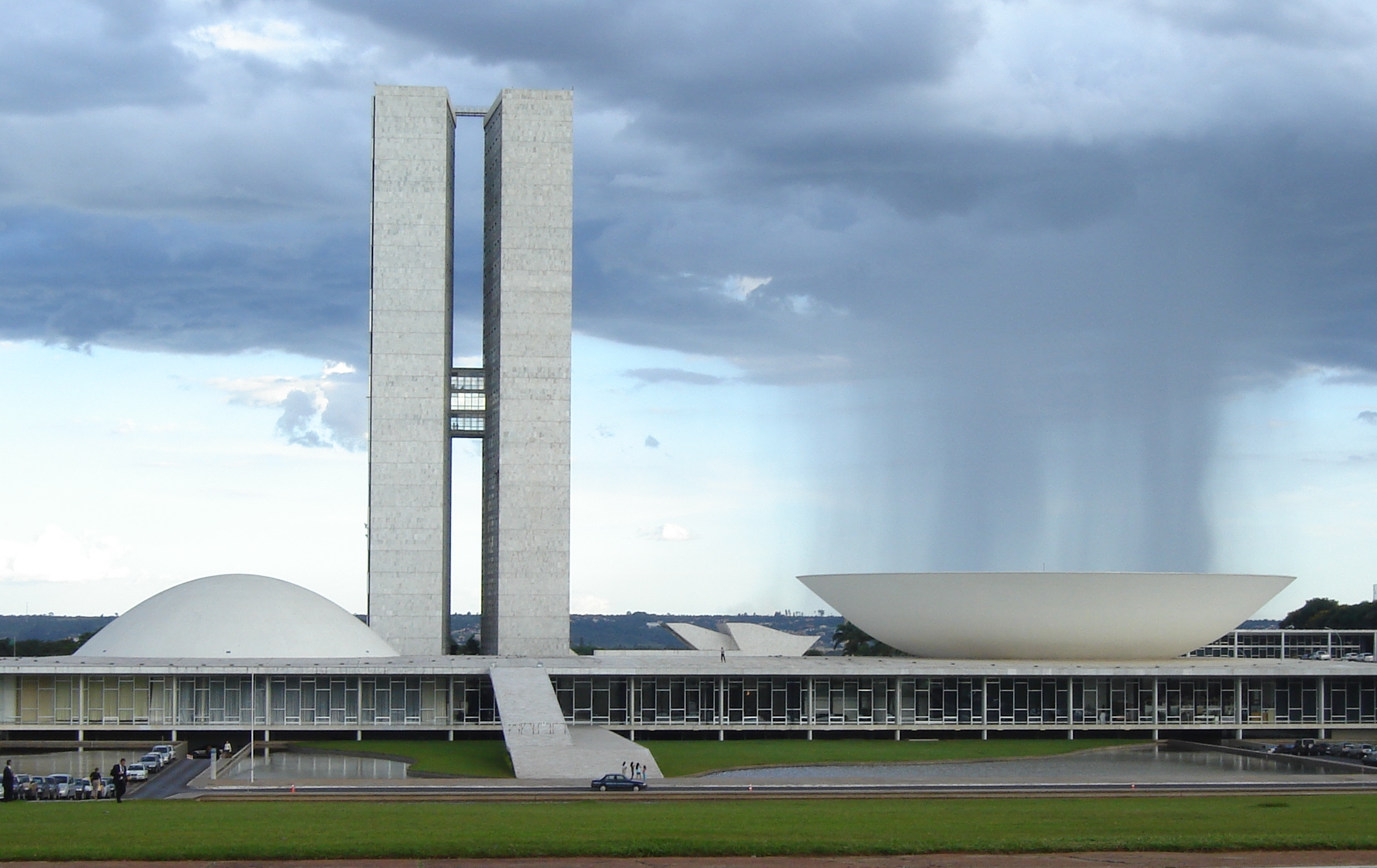
Today's ballot is much bigger than one office. Brazilians are also electing governors in all 26 states and the Federal District, 54 of the Senate's 81 members, and all 513 members of the lower house. The makeup of Congress will decide how much freedom the next president has to pass laws. A president without a working majority can struggle to deliver, no matter how big the win.
What happens next?
- Lula wins outright: If he passes 50% of valid votes, the election ends today. This is possible but looks less likely according to most polls.
- A runoff on October 25: This is the most probable outcome. Expect three weeks of intense campaigning, with each side fighting for voters who backed smaller candidates.
- Bolsonaro surges: A strong showing for Flávio would shift momentum and could make the runoff genuinely unpredictable.
Watch for the turnout figure, the speed of the count, and any statements from the candidates tonight. Markets in Brazil, including the real and the stock exchange, are likely to react quickly to the first results.
Bottom line
Brazil's 2026 election is a test of political stability, trust in institutions, and the country's economic direction. Whether it ends today or goes to a runoff, the next few weeks will shape Latin America's largest country for years. We will keep following the results as they come in.