
Ukrainian President Volodymyr Zelenskiy says he will organise presidential elections if Russian President Vladimir Putin agrees to a 60-day ceasefire, answering United States President Donald Trump's weekend call for a new Ukrainian leader. The Zelenskiy 60-day ceasefire elections offer, made on ABC's "This Week" broadcast Sunday, ties a wartime vote to a genuine pause in the fighting.
Quick Answer: Zelenskiy told ABC's "This Week" on Sunday that Ukraine will organise presidential elections if Putin agrees to a 60-day total ceasefire. It answers Trump's Saturday call for a new Ukrainian president. Martial law since February 2022 bars wartime elections; Zelenskiy's term expired in May 2024 but the constitution keeps him in office.

Zelenskiy 60-day ceasefire elections: what he actually said
Zelenskiy's answer was direct, aimed at both Washington and Moscow:
"Please tell Putin, give us two months, 60 days of total ceasefire, 60 days, and we will organize elections," Zelenskiy told ABC's "This Week."
On Trump's demand for fresh leadership in Kyiv, he pushed back on who gets to decide:
"With all respect to President Trump, it's up to our society, up to our people to choose one or another leader."
The remarks, reported by Reuters and the Kyiv Independent on October 11, set the clearest terms Kyiv has given for a wartime vote. Zelenskiy added that Putin would also like to see Ukraine's leader changed — framing the election pressure as coming from the Kremlin and the White House alike.
Why Ukraine cannot hold elections during war
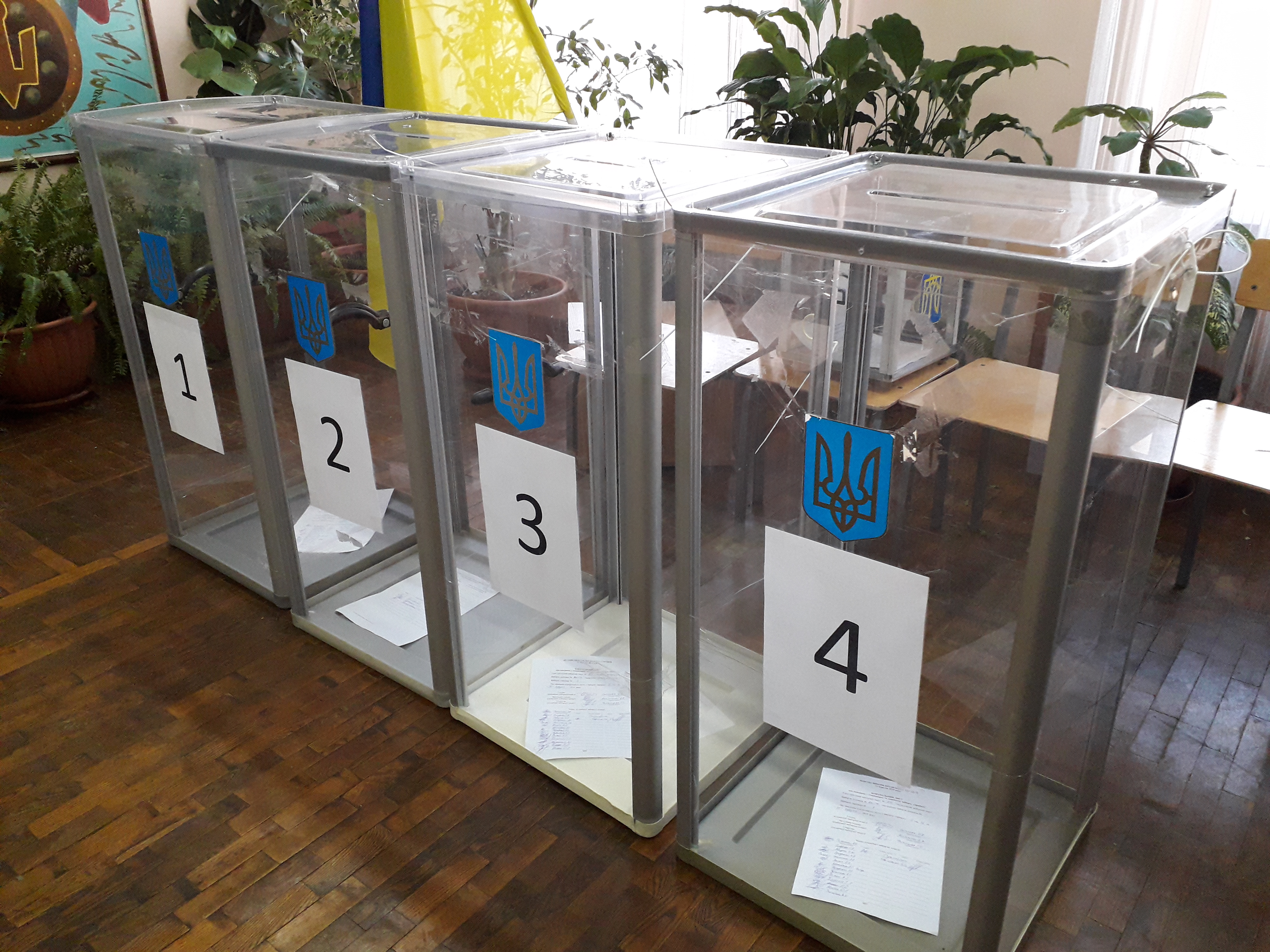
The Ukraine elections martial law ban is both legal and practical. Martial law has been in force since Russia's full-scale invasion in February 2022, and the constitution and Ukrainian law forbid elections under it. Zelenskiy's term formally expired in May 2024, but the constitution lets him remain until a successor is sworn in.
The practical barriers are just as real: millions displaced at home and abroad, occupied territories where no vote is possible, and polling stations that would face bombardment. Kyiv's argument is that only a real ceasefire makes an honest vote possible.
Trump's Saturday remarks and the diesel row
On Saturday, Trump told reporters: "I think it's time for Ukraine to get a new president," adding, "I suggest they get a new leader who can make a deal." The comments followed Friday's Trump-Putin diesel-import deal after a 90-minute call, linked to Ukrainian strikes on Russian refineries that Trump said were causing diesel "problems for the world." Planned Ukrainian-American talks in Miami were cut short the same day.
Key Takeaways
- Zelenskiy told ABC's "This Week" he will organise elections if Putin agrees to a 60-day total ceasefire.
- His reply to Trump: "With all respect to President Trump, it's up to our society, up to our people to choose one or another leader."
- Martial law since February 2022 bars elections; Zelenskiy's term expired in May 2024 but the constitution keeps him in office until a successor is sworn in.
- Zelenskiy said Putin also wants Ukraine's leader changed, framing pressure from Moscow and Washington alike.
- The row follows Trump's Friday diesel deal with Putin and short-lived Miami talks, amid Zaporizhzhia strikes that killed at least 23 people, including children.
- EU foreign policy chief Kaja Kallas warned that "suspending sanctions on Russian diesel provides Moscow with more revenues to wage war."
Why it matters
This is the first time Zelenskiy has named a specific ceasefire length tied to elections. Trump wants a leader who "can make a deal"; Zelenskiy is saying a deal — starting with a real pause — is exactly what would let Ukrainians choose that leader themselves. The leadership question is now tied back to the war itself.
It also sets a public test for Putin. Reject it, and Kyiv can argue Moscow fears a legitimised Ukrainian president more than it wants talks. Accept, and Ukraine must run a wartime vote with millions displaced and cities under fire.

What happens next
Watch Moscow first. Putin has not responded publicly to the 60-day condition, and Russia's record with ceasefires is poor. The Kremlin's answer — silence, rejection, or a counter-offer — will show whether this becomes a diplomatic track or a talking point.
Watch the White House, too: Trump earlier claimed an energy-only ceasefire that both sides greeted with scepticism. Zelenskiy's offer now tests whether Washington backs conditions set in Kyiv, while inside Ukraine the wartime-vote debate sharpens.

Frequently Asked Questions
What did Zelenskiy say about elections on ABC's "This Week"?
Zelenskiy said: "Please tell Putin, give us two months, 60 days of total ceasefire, 60 days, and we will organize elections." It was his direct answer to Trump's weekend call for a new Ukrainian president, tying any wartime vote to a genuine pause in fighting.
Why can't Ukraine hold elections during the war?
Martial law has applied since Russia's full-scale invasion in February 2022, and Ukraine's constitution and laws forbid elections under it. Millions are displaced, occupied areas cannot vote, and polling stations would face bombardment. Only a ceasefire makes a credible vote possible.
What did Trump say about Ukraine's president on Saturday?
Trump told reporters "it's time for Ukraine to get a new president," adding: "I suggest they get a new leader who can make a deal." The remarks followed his Friday diesel deal with Putin and came as planned Ukrainian-American talks in Miami were cut short.
What is the Zelenskiy-Trump elections dispute about?
Trump says Ukraine needs a new leader who can strike a deal; Zelenskiy answered that "it's up to our society, up to our people to choose one or another leader," and set his condition: a 60-day total ceasefire agreed by Putin before any vote is organised.
What is the 60-day ceasefire condition for a Ukraine vote?
Zelenskiy will organise elections if Russia agrees to 60 days of total ceasefire — two full months without fighting. Shorter pauses would not allow voter registration, secure polling places, or a campaign; a 60-day window could open the space a real national vote needs.
Did Zelenskiy say Putin also wants a new Ukrainian leader?
Yes. Zelenskiy noted Putin would also like to change Ukraine's leader, framing the election pressure as coming from both the Kremlin and Washington at once. The remark was reported by Reuters and the Kyiv Independent from Sunday's ABC interview broadcast.
How did Europe react to Trump's diesel deal with Putin?
EU foreign policy chief Kaja Kallas warned that "suspending sanctions on Russian diesel provides Moscow with more revenues to wage war." Her reaction underlines the split between Washington's energy arrangement with Moscow and Europe's line that sanction relief funds Russia's war effort.
How does this relate to the earlier energy ceasefire claim?
Trump earlier claimed Russia and Ukraine agreed to an energy ceasefire, though details were thin — covered in GlobalDeskNews' report on Trump's claim. Zelenskiy's offer goes further: a full 60-day ceasefire as the condition for elections. His separate energy-truce offer and the Trump-Putin diesel deal are distinct earlier developments.
Sources
- Reuters, "Ukraine's Zelenskiy tells ABC he will organize elections if Russia agrees 60-day ceasefire," Oct 11 — link
- The Times, "Ukraine needs a new leader, Trump says in diesel row," Oct 11 — link
- Kyiv Independent, "Zelensky says if Trump, Putin want elections in Ukraine, a two-month ceasefire is needed," Oct 11 — link
- Arab News, "Trump says Russia and Ukraine reach energy ceasefire but gives no details," Oct 11 — link
- Washington Examiner, "Zelensky: Trump, Ukraine elections, new leader," Oct 11 — link
By GlobalDeskNews Staff