
President Volodymyr Zelenskiy announced on Sunday, October 11, that Ukraine is ready to halt its attacks on Russian oil refineries if Moscow stops striking Ukrainian energy infrastructure. The Zelenskiy Energy Truce Offer, made in a statement on Telegram and X, landed less than a day after US President Donald Trump told Ukraine to get a new president and warned Zelenskiy he "better damn well stop" hitting Russian refineries.
"Ukraine will be ready to stop striking Russian oil refineries if Russia stops striking our energy infrastructure," Zelenskiy wrote. "Any de-escalation steps must be reciprocal and backed by real guarantees."
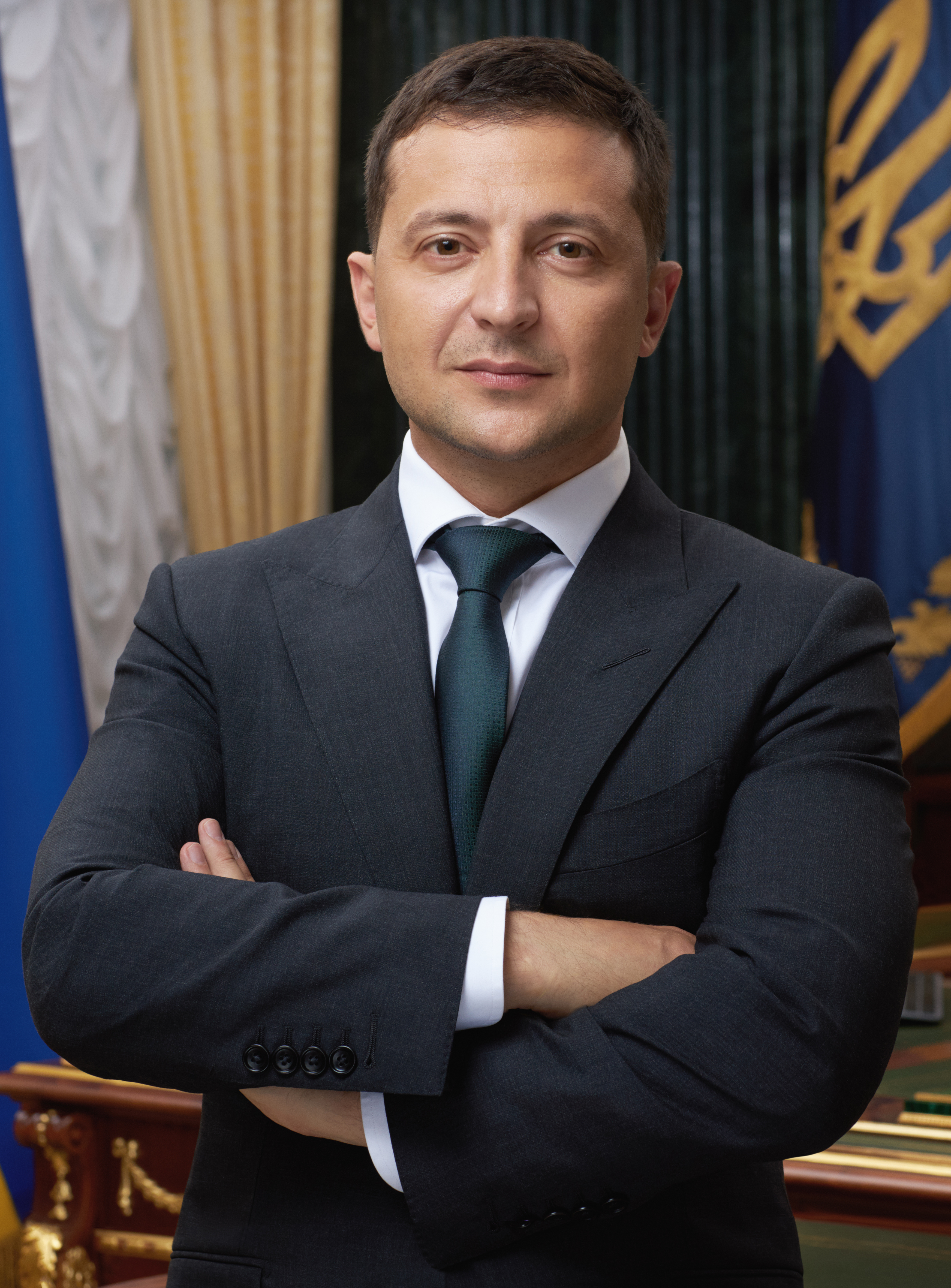
The Zelenskiy Energy Truce Offer: what was actually said
Zelenskiy opened with the week's toll: search-and-rescue work had just finished in Zaporizhzhia, where a heavy Russian strike on Saturday killed 23 people, including four children. Then came the offer, stated plainly — with the blame for its absence placed on Moscow.
"The real cause of the war in Europe is Russia and Russia alone," he wrote. "It is possible to stop strikes on energy infrastructure as early as today, but Putin does not want to do so."
Two other signals were tucked into the statement. Zelenskiy said he would keep coordinating with European leaders through Sunday, and that Ukraine works almost daily on additional defence packages — mainly air defence systems and ammunition for combat aircraft. The offer to stop is genuine, but Kyiv is still arming itself in case the answer is no.
Key takeaways
- Ukraine will stop hitting Russian oil refineries — but only if Russia stops striking Ukrainian energy infrastructure. The halt could begin "as early as today."
- Any de-escalation must be reciprocal and backed by real guarantees. Kyiv will not accept a one-sided pause.
- The offer follows Trump's Saturday tirade, in which the US president told Ukraine to "get a new president" and warned Zelenskiy to stop targeting refineries.
- Zaporizhzhia's toll stands at 23 dead, including four children; a five-story apartment block in Slovyansk was hit Sunday morning, with people possibly under the rubble.
- Russia used roughly 1,450 aerial bombs, 75 missiles and 1,640+ attack drones against Ukraine this week, Zelenskiy said.
- Zelenskiy is coordinating with European leaders on Sunday while Ukraine pursues more air-defence packages.

Why the offer landed on a Sunday
The timing is impossible to ignore. On Saturday, Trump delivered some of his harshest words yet for Zelenskiy — telling reporters Ukraine needs "a new leader who can make a deal" and claiming Kyiv's refinery strikes were driving up American diesel prices and creating "problems for the world."
The deeper sore point is the Trump-Putin diesel deal: Trump's plan to buy more than a million tonnes of Russian diesel in exchange for easing sanctions on Russian energy exports. Zelenskiy has called it a "gift" to Putin, and European leaders have echoed that anger. Sunday's statement is Zelenskiy's sharpest answer yet — to Trump (we'll stop, but not unilaterally) and to Putin (the door is open today, if you want it).

A week of strikes in numbers
The Zaporizhzhia strike that killed 23 people, including four children, was the deadliest blow of a grim week. Russian forces also struck a medical facility in Kharkiv on Saturday, hit civilian infrastructure, residential buildings and energy facilities overnight, and struck a five-story apartment building in Slovyansk on Sunday morning — destroying an entire section, with people possibly still under the rubble.
Zelenskiy's weekly tally: about 1,450 aerial bombs, 75 missiles and more than 1,640 attack drones, roughly 60% of them jet-powered and harder to intercept. That scale is why the "real guarantees" clause matters — Kyiv has watched partial ceasefires collapse before, and it won't trade its most effective leverage for promises alone.

Why it matters
This is the first time Ukraine has publicly offered a conditional halt to its refinery campaign since the Trump row exploded — and it reframes the dispute. Trump cast the strikes as a "world problem" pushing up fuel prices; Zelenskiy's answer is that the real problem is Russia's bombing of Ukrainian cities, and a mutual halt solves both at once.
For Europe, the offer is tailor-made. Britain, Germany and the EU have rallied behind Zelenskiy since Saturday, rejecting the diesel arrangement as sanctions relief for Moscow. A mutual de-escalation offer lets them argue Kyiv is the party seeking calm — while Moscow, which had not publicly responded as of Sunday, is the one keeping the fires lit.
What happens next
First, Russia's response: the Kremlin had said nothing publicly as of Sunday afternoon. If Moscow keeps striking Ukrainian energy sites, Kyiv's drones keep flying — that is the default, not a threat. Second, the European coordination Zelenskiy promised for Sunday should bring fresh statements backing the offer. Third, Washington: Trump's demand for a one-sided halt and his "new president" remark still stand, and whether the White House accepts a conditional offer will shape the next phase of US-Ukraine relations.
Frequently asked questions
What exactly is Zelenskiy's energy truce offer?
Zelenskiy said on Sunday that Ukraine will stop striking Russian oil refineries if Russia stops striking Ukrainian energy infrastructure. The halt could begin "as early as today," he said. The key condition is that any de-escalation must be mutual — both sides stop — and backed by real guarantees, not just promises.
Why did he make the offer on Sunday, October 11?
The offer came one day after President Trump demanded Ukraine "get a new president" and told Zelenskiy he "better damn well stop" attacking Russian refineries. It also follows Trump's plan to buy over a million tonnes of Russian diesel, which Zelenskiy called a "gift" to Putin. Sunday's statement answers both: Ukraine will stop, but only if Russia does too.
What happened in Zaporizhzhia and Slovyansk this weekend?
Saturday's heavy Russian strike on Zaporizhzhia killed 23 people, including four children; search and rescue finished Sunday morning. Russian forces also struck a medical facility in Kharkiv on Saturday. On Sunday morning, a five-story apartment building in Slovyansk was hit, destroying an entire section, with people possibly still trapped under the rubble.
What is the Trump-Putin diesel deal?
Trump announced plans to buy more than a million tonnes of diesel from Russia — over 300,000 tonnes immediately, 500,000 next month, and more to follow — in exchange for easing sanctions on Russian energy exports. Zelenskiy called it a "gift" to Putin, and European leaders including the EU's Kaja Kallas warned it hands Moscow more war revenue.
Did Trump really tell Ukraine to replace Zelenskiy?
Yes. Speaking to reporters outside the White House on Saturday, Trump said it was time for Ukraine to "get a new president" and declared, "I suggest they get a new leader who can make a deal." He argued that Ukraine's refinery strikes were driving up American diesel prices and creating "problems for the world."
Has Russia responded to the truce offer?
As of Sunday, the Kremlin had not publicly responded to Zelenskiy's offer. Russia has previously accused Ukraine of prolonging the war by targeting its fuel complexes. Without a clear Russian commitment to stop striking Ukrainian energy infrastructure, Kyiv's position is that the strikes will continue.
Could this energy truce lead to a wider ceasefire?
Possibly, but that is a long way off. An energy-infrastructure truce would be the first mutual restraint agreement in months and could build trust for broader talks. Real obstacles remain: Russia hasn't answered the offer, Washington is pressing Kyiv for a one-sided halt, and past partial ceasefires have collapsed amid mutual accusations of cheating.
Sources
- Reuters, "Ukraine will halt strikes on refineries if Russia stops energy attacks, Zelenskiy says," October 11, 2026. reuters.com
- NDTV (syndicated), "Zelensky Says Will Stop Russia Refinery Attacks. But There's 1 Condition," carrying Zelenskiy's verbatim X post, October 11, 2026. ndtv.com
- The Times, "Zelensky offers energy truce to Putin after Trump row," October 11, 2026. thetimes.com