
This article is a follow-up to our earlier reporting: Zelenskyy Says He Feels Betrayed by Trump Over Starlink. The genuinely new development since: Ukraine has formally ended the refinery-strike pause and — according to a Russian regional governor — already struck a refinery in the Ryazan region on Thursday.
Ukraine is no longer holding back. In an interview with the Financial Times published on Thursday, October 15, President Volodymyr Zelensky announced that Kyiv has lifted the short-lived ban on attacking Russian oil refineries — a pause Ukraine had observed at Washington's request earlier this week. The decision, delivered in blunt terms, marks the sharpest public rupture yet between Kyiv and the Trump administration over the conduct of the war.
"The block (on attacking refineries) is out. We're done," Zelensky told the newspaper in London, where he has spent the week meeting European leaders. According to the FT report, carried by Reuters, the Ukrainian president was sharply critical of Washington's eagerness to strike business deals with Moscow and of President Donald Trump's apparent admiration for Russia's Vladimir Putin.
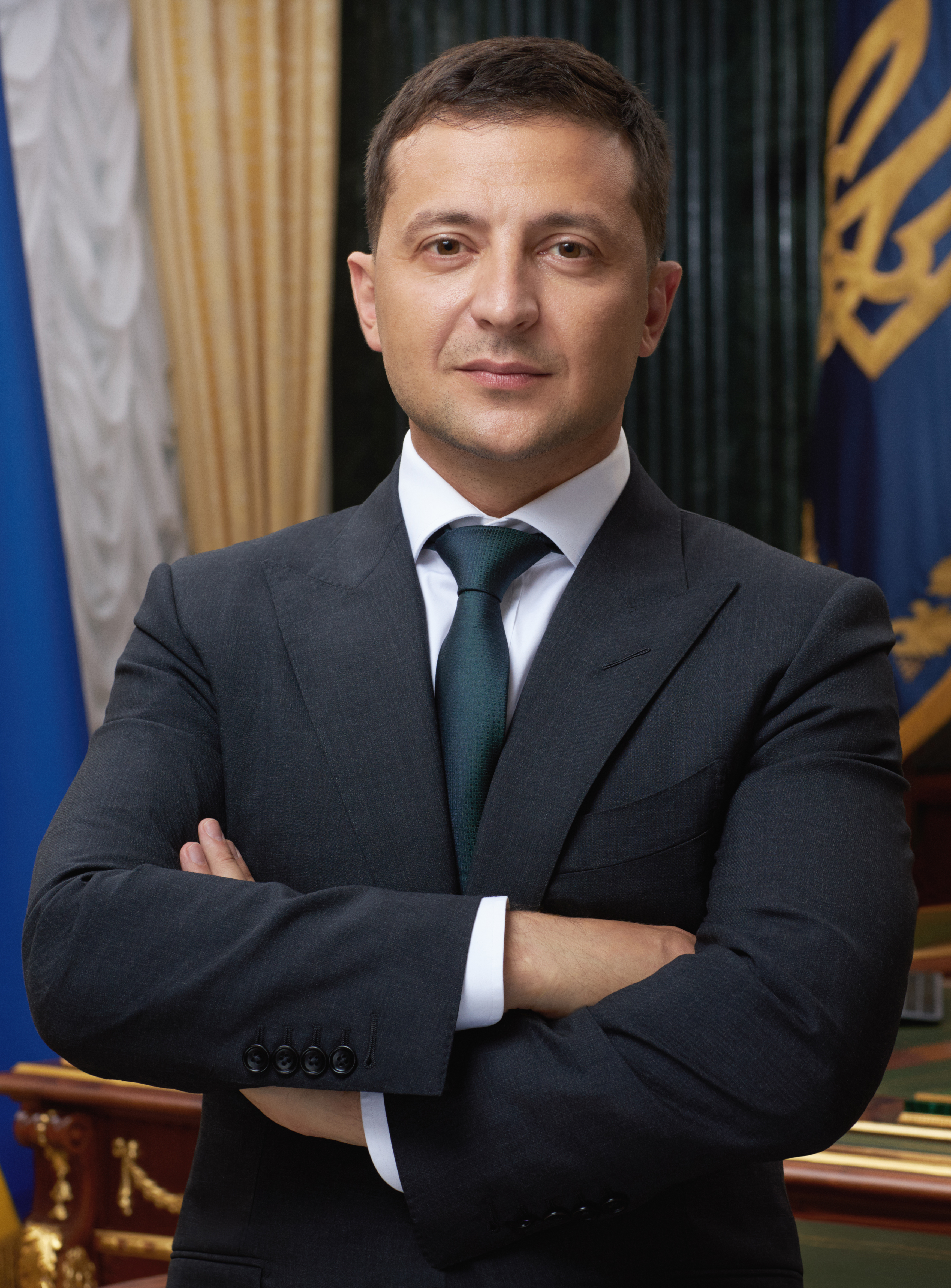
Zelensky Ends the Refinery-Strike Pause
The pause was always fragile. Reuters reported that Zelensky had said earlier this week on X that Ukraine halted strikes on Russian oil refineries and other energy infrastructure for two days after Trump announced an energy ceasefire on October 11. Ukrainian outlets quoting the same FT interview put the pause at three days — the accounts differ on length, but agree on the reason it collapsed: Russia, Kyiv says, never reciprocated.
Zelensky told the FT that more than 100 people had been killed in Russian attacks over the past week alone, even as Ukraine held its fire. On Wednesday, Russian strikes left some 600,000 people in Ukraine without power, according to the figures the president cited — a toll that, he argued, made continued restraint impossible.
The FT interview also settled the question of whether Ukraine might agree to a fresh halt. Asked if he would consider pausing energy strikes again as a way of repairing relations with the White House, Zelensky said he could only agree if, in return, he was given more US-made Patriot interceptors — calling them the "minimum" that would be acceptable, Reuters reported.
Why Kyiv Says Trust Broke Down
The refinery decision did not happen in isolation. It sits on top of a week in which Ukraine's leadership says it was squeezed by the very ally it was trying to accommodate. Despite Ukraine's pause, Zelensky told the FT that his forces had been left without US early-warning alerts for incoming ballistic missiles, while Elon Musk's Starlink satellite communications service had been slowed down across the country — hampering frontline operations and medium-range strikes against Russian military sites.
According to Reuters' account of the interview, Ukrainian military officials were told by their US counterparts that "if you will not stop (the energy strikes), we will block intelligence" — a warning later presented to Kyiv as a technical glitch. Zelensky dismissed that explanation outright: "It was not a technical problem, it was the will."
Trump has previously denied that Washington stopped sharing intelligence with Ukraine. When Kyiv asked for an explanation of the missing missile warnings, US officials blamed the weather, CNN reported — a version a European official disputed bluntly, telling CNN: "America says it was a failure. But it can't be the truth." CNN also reported that the Trump administration had warned Ukraine and European allies that the US could suspend intelligence sharing — and European purchases of US weapons for Kyiv — if Ukraine did not halt its deep strikes on Russian energy facilities.

Musk's Reply Points at the Pentagon
Elon Musk weighed in on Wednesday in a post on X, saying that Starshield — the military-grade version of Starlink used by Ukraine's forces — is "owned and controlled by the US government," and that any limits on its speed or usage are up to the US military and the president. Musk added that Starlink itself is a commercial service owned and controlled by SpaceX, limited to civilian or defensive activities, and that it "cannot be used for offensive military action, as doing so would be inappropriate for a commercial company," according to CNN.
Zelensky had raised the Starlink disruption a day earlier in a separate interview with Piers Morgan Uncensored — the same appearance, reported earlier by this site, in which he answered "Yes" when asked whether he felt betrayed by the Trump administration, calling the US-Russia diesel arrangement a "simple victory" for the Kremlin and telling Morgan: "It's a pity that we are losing a strong partner."
Ryazan: A Refinery Burns Hours After the Announcement
The lifting of the ban may already have a concrete result. The South China Morning Post reported on Thursday that Ukraine has resumed its attacks on Russian refineries with a strike at an installation in the Ryazan region, citing the regional governor. Governor Pavel Malkov said in a post on Telegram that "a major Ukrainian drone attack on the region had sparked a fire at an oil refinery," adding: "The material damage is now being assessed. Emergency services are working at the scene."
The account comes from the Russian side — Malkov's Telegram post — and Ukrainian officials have not publicly detailed specific strikes in the reporting reviewed for this article. But the timing, hours after Zelensky's FT interview was published, leaves little doubt that the pause is over in practice as well as in words.

How We Got Here: A Week of Fractures
The sequence that led to Thursday's announcement unfolded fast. Last week, Trump wrote on social media that Putin had agreed to supply markets with Russian diesel fuel, as the US president worked to bring down energy costs — a move that drew bipartisan criticism in Washington and anger among European allies, CNN reported.
On Saturday, October 10, Trump called for Ukraine to replace Zelensky and railed against Ukraine's attacks on Russian oil infrastructure — one day after announcing the diesel deal. On Sunday, October 11, he announced the energy ceasefire — a measure that, CNN noted, neither Moscow nor Kyiv had publicly confirmed. On Monday, Russian forces launched fresh attacks on Ukraine just hours after the ceasefire was said to have taken effect, according to CNN.
Zelensky spent Wednesday in London, meeting Prime Minister Andy Burnham and King Charles, even as Russian drones and ballistic missiles left hundreds of thousands of Ukrainians without power. By Thursday, speaking to the FT in London, he said Ukraine's patience had run out.

Key Takeaways
- Zelensky told the Financial Times on October 15 that Ukraine has ended its pause on strikes against Russian oil refineries: "The block is out. We're done."
- Kyiv says it paused for two to three days at Washington's request after Trump's October 11 energy-ceasefire announcement — while Russia kept attacking Ukrainian energy infrastructure.
- The Ukrainian president says more than 100 people were killed in Russian attacks over the past week and some 600,000 lost power on Wednesday alone.
- Ukraine says it lost US early-warning alerts for ballistic missiles and saw Starlink slowed during the pause; Zelensky rejected the "technical glitch" explanation: "It was not a technical problem, it was the will."
- Hours after the interview was published, the governor of Russia's Ryazan region reported a fire at a local refinery after what he called a major Ukrainian drone attack.
- Zelensky would accept a fresh pause only in exchange for more US-made Patriot interceptors — "the minimum," he said.
Why It Matters
This is the first time Ukraine has publicly torn up a Trump-brokered restraint measure mid-war — and done so while naming the pressure behind it. The refinery campaign has been Kyiv's most effective economic weapon against Moscow; resuming it means higher global fuel-price risk, but it also means Ukraine has decided that restraint without reciprocity costs more lives than escalation. The bigger signal is political: a US ally is now openly describing American pressure — over intelligence, satellites and weapons — as coercion, not partnership.
What Happens Next
Three things to watch. First, whether the Ryazan fire is confirmed as the opening strike of a renewed campaign — and how far Russia's refineries, already battered this year, can absorb it. Second, whether Washington answers Zelensky's account of the intelligence-warning threat, which it has not yet done; CNN said the White House and Pentagon had been asked for comment. Third, whether Europe steps in to fill the gap: Zelensky spent the week in London precisely to shore up allied support, and any US decision to restrict weapons purchases for Kyiv would land hardest on European capitals.
Frequently Asked Questions
Why did Ukraine pause its strikes on Russian refineries?
Ukraine halted its attacks earlier this week at Washington's request, after President Trump announced an energy ceasefire between Russia and Ukraine on October 11. Zelensky said on X that the halt lasted two days; Ukrainian outlets quoting the FT interview put it at three. Either way, Kyiv describes it as an effort to accommodate Washington that Russia did not match.
Why is Ukraine resuming the strikes now?
Kyiv says Russia continued attacking Ukrainian energy infrastructure throughout the pause, killing more than 100 people over the past week and leaving some 600,000 without power after Wednesday's strikes, according to figures Zelensky cited. On top of that, Ukraine says it lost US missile-warning alerts and saw Starlink services slowed during the pause — which Zelensky read as deliberate pressure.
What exactly did Zelensky say in the FT interview?
In the interview published on October 15, Zelensky announced that the restriction on striking refineries was lifted — "The block is out. We're done" — criticised Washington's business deals with Moscow, rejected the idea that the intelligence and Starlink disruptions were technical faults ("It was not a technical problem, it was the will"), and said a new pause would require more US-made Patriot interceptors as "the minimum."
Has Ukraine already struck a refinery since lifting the ban?
According to the South China Morning Post, the governor of Russia's Ryazan region, Pavel Malkov, said on Thursday that a major Ukrainian drone attack sparked a fire at an oil refinery in his region, with emergency services at the scene and damage being assessed. The claim comes from the Russian side; Ukrainian officials have not publicly detailed specific strikes in the reporting reviewed.
Did the US really threaten to cut intelligence to Ukraine?
That is Ukraine's account, not an established fact. Zelensky says Ukrainian military officials were warned that continued energy strikes could mean blocked intelligence — a warning later presented to Kyiv as a technical glitch. Trump has previously denied halting intelligence sharing, and US officials blamed the weather for the missing missile warnings. A European official told CNN the glitch explanation "can't be the truth."
What would it take for Ukraine to pause again?
Zelensky set a clear price: more US-made Patriot air-defence interceptors, which he called the "minimum" acceptable in exchange for halting energy strikes again. Given the White House's current posture — warning Kyiv to stop the strikes rather than arming its air defences further — that trade looks unlikely in the near term.
How is this different from the energy ceasefire?
The energy ceasefire was Trump's October 11 announcement that Russia and Ukraine had agreed to stop hitting each other's energy infrastructure — a measure CNN noted neither side had publicly confirmed. This story is its mirror image: Ukraine's unilateral decision, announced October 15, to abandon the pause after Russia kept striking Ukrainian energy sites. Read our earlier coverage of the Piers Morgan "betrayed" interview for the immediate backstory.
Related: Wine Trader Fire: 8 Missing After Black Sea Ship Blaze · US Weighs 'Mother of All Bombs' in Fresh Iran Strike Plans
Sources
- Reuters — "Zelenskiy says Ukraine will resume strikes on Russian refineries, FT reports" (October 15, 2026). reuters.com
- CNN — "Zelensky says Ukraine will resume strikes on Russian refineries, as frustration with Trump mounts" (updated October 15, 2026). cnn.com
- South China Morning Post — "'We're done': Ukraine resumes Russian refinery strikes, defying Trump" (October 15, 2026). scmp.com
- The Straits Times (Reuters wire) — "Zelenskiy says Ukraine will resume strikes on Russian refineries, FT reports" (October 15, 2026). straitstimes.com
By GlobalDeskNews Staff | 15 October 2026