

Qatar says Iran-US talks are continuing, with both sides still engaging in diplomatic efforts despite growing tensions and fears of renewed fighting. The comments, delivered Tuesday at the Global Security Forum in Doha, land as the war spills into new arenas.
"On the negotiations of the JCPOA [Joint Comprehensive Plan of Action], they are ongoing, we are seeing engagement from both parties," said the Advisor to the Prime Minister and official spokesperson for the Ministry of Foreign Affairs (MoFA), HE Dr. Majed bin Mohammed Al Ansari, according to The Peninsula.
Al Ansari argued the lack of public detail is actually encouraging. "The fact that we're not hearing about it is a good sign that we're doing our job the right way," he said, adding that mediation has a better chance of succeeding when it happens behind closed doors. Dawn, citing Al Jazeera, carried the same remark with slightly different wording.
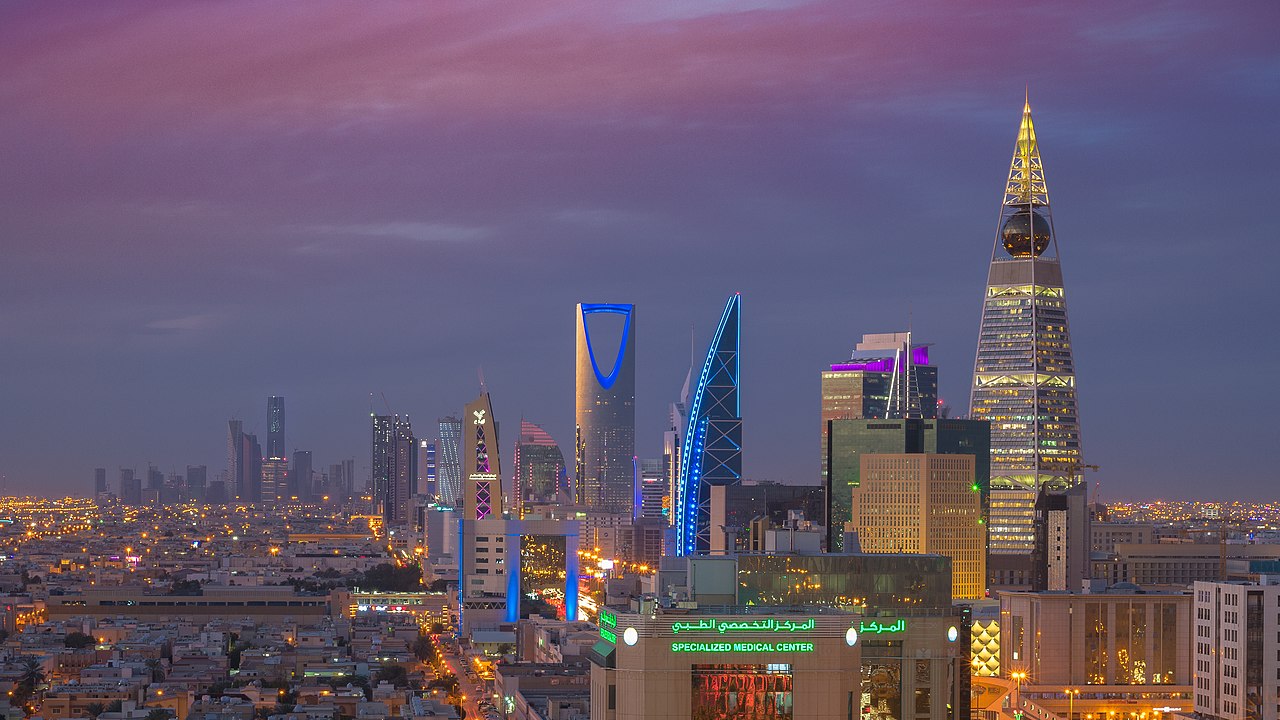
Qatar backs Saudi Arabia "in defending their sovereignty"
Al Ansari also spoke about standing firmly behind Saudi Arabia amid the widening regional tensions. "Qatar is supporting our brothers in Saudi Arabia in defending their sovereignty against this attack," he said.
The pledge comes on a day of heavy pressure on Riyadh. Saudi Arabia intercepted a Houthi ballistic missile targeting the capital earlier today — a story GlobalDeskNews covered separately here. Britain has also announced additional defensive military support: the UK's Ministry of Defence says it will deploy Typhoon fighter jets on defensive counter-air missions to protect Saudi Arabia from Houthi attacks, stressing it "will take a defensive role and will not conduct offensive strikes against the Houthis".
What is driving the Iran-US talks behind closed doors
Reuters reported Tuesday that Iran has deliberately prolonged the talks to weaken President Donald Trump politically ahead of the November 3 congressional elections, citing three senior Iranian officials and an insider who spoke on condition of anonymity. Tehran is convinced Trump is ready to resume attacks to break the stalemate in the eight-month-old war, which began in February when the US and its ally Israel launched strikes on Iran. Trump has said the US will not bomb Iran again before November 3 — though the officials said Tehran expects bombing to resume eventually.
The same Reuters report described the terms Iran has put on the table through Qatari mediators: Tehran's proposal offered to reopen the strait within seven days under Iranian control, provided Washington lifted its maritime blockade, eased restrictions on Iranian oil exports, released frozen assets and ended hostilities on all fronts. Iranian Foreign Minister Abbas Araqchi said on Sunday that the offer remained on the table, with messages being exchanged through mediators.
Oil spikes as Hormuz tensions mount
The diplomatic fog hasn't calmed the markets. Brent crude was marked 1.6% higher at $111.30 a barrel on Tuesday, a 13.7% gain on the month and working toward the highest closing price since May 19, Barron's reported. WTI futures were 2.1% higher at $100.64 — which would mark the first close north of the $100 mark since Sept. 17. Al Jazeera's live coverage confirmed Brent passed $111, a five-month high, with traders pricing in continued geopolitical risks.
Iran's state-run news agency IRNA reported comments from First Vice President Mohammad Reza Aref that the country had "no choice but to exercise sovereignty over the Strait" while warning the US must "pay the price" of its aggression in the region, according to Barron's. Reuters describes the strait as "a vital global energy shipping route effectively closed by Iran since the war began", with ship traffic reduced to a trickle and a US maritime blockade plus trade sanctions cutting off Iran's oil export revenues.
ING's head of commodities strategy Warren Patterson told Barron's: "Oil prices remain well-supported amid ongoing tensions in the Middle East despite relatively strong Persian Gulf flows. This suggests the market is pricing in a significant risk premium, given the situation's volatility." For more on the energy fallout, see our earlier report on oil's climb as Houthi attacks rattled markets.

Barrack: US moving past "security-for-oil"
Also speaking at the Doha forum, senior US diplomat Tom Barrack said the US is moving away from its traditional security-for-oil relationship with the Middle East and no longer seeks to dominate the region — though it was not abandoning it, either.
"Every time we try and intervene, change the person or the regime, it seems to have been a mistake," Barrack said. He said the US had been involved in 23 regime changes across the wider Middle East. Al Jazeera also reported that Qatar's spokesperson said mediators were continuing to exchange messages between the warring parties, with regional partners involved.

Analyst: Tehran sees an "existential" war
Iranian-American journalist and political analyst Negar Mortazavi told the same forum the war started because Benjamin Netanyahu convinced Trump that Iran "is a paper tiger about the fall" and "this would be quick and easy" — "a war of choice" for Trump. "It sounds like they felt like this is going to be fast, quick and easy, but it happens to be the opposite," she said.
Mortazavi added that Tehran sees the war "as an existential threat", saying more than 200 officials, including the former supreme leader, were assassinated throughout the war — and that "it is literally dying but surrendering" for them.
That hardening showed Monday in an unannounced visit to Israel, where US Defense Secretary Pete Hegseth discussed Iran with Netanyahu — three Israeli officials told Reuters — ahead of a parliamentary election in which Netanyahu's position is at risk.
China condemns the attacks; Pakistan mediates
Beijing added its voice Monday. Chinese Premier Li Qiang condemned the US-Israeli-imposed war against Iran during a meeting with Iran's First Vice President Mohammad Reza Aref in Dushanbe, Tajikistan, IRNA reported. Li described the attacks as "blatant aggression" carried out during negotiations and without authorization from the UN Security Council, and said Beijing supports reviving the Islamabad Agreement and opposes unilateral US sanctions.
Meanwhile Pakistan's army chief, Field Marshal Asim Munir, arrived in Tehran for meetings with senior officials. Iran's Foreign Ministry spokesperson Baghaei said the meetings would relate to "issues concerning the negotiations", though mainly focused on bilateral relations. It is the fifth such visit since an MoU was signed in Islamabad in June, Al Jazeera noted — see our earlier coverage of Munir's Tehran diplomacy.
Why it matters
Qatar's statement is the clearest signal in days that the diplomatic channel between Tehran and Washington is still alive — and that Doha still holds the mediator's seat. With the Strait of Hormuz effectively shut and oil above $111, even a quiet backchannel matters: it's the difference between a war that can be paused and one that keeps widening.
What happens next
Three things to watch this week. First, whether Iran's seven-day Hormuz offer gets a US response — Araqchi said it's still on the table, but Tehran says it won't deal until its conditions are met. Second, whether the US and Israel move after Israel's parliamentary election, given Tehran's expectation that bombing could resume. And third, whether today's reported Hormuz tanker incidents push oil higher still — or force both sides back to Doha's quiet table.
Key takeaways
- Qatar's Foreign Ministry spokesperson Majed bin Mohammed Al Ansari said Iran-US negotiations are ongoing with engagement from both parties, speaking at the Global Security Forum in Doha on Tuesday.
- Al Ansari called the lack of public information "a good sign", saying mediation works best behind closed doors.
- Qatar pledged firm support for Saudi Arabia's sovereignty after today's Houthi ballistic missile attack on Riyadh; the UK will deploy Typhoon jets on defensive missions for the kingdom.
- Reuters reported Iran has offered to reopen the Strait of Hormuz within seven days under Iranian control, in exchange for an end to the US maritime blockade, eased oil restrictions, released frozen assets and a halt to hostilities.
- Brent crude hit $111.30 a barrel — a five-month high — with WTI at $100.64, as tankers were reported ablaze in the Strait of Hormuz.
Frequently asked questions
Are Iran and the US actually talking right now?
Yes, according to Qatar. Foreign Ministry spokesperson Majed bin Mohammed Al Ansari said Tuesday that negotiations between Iran and the US are ongoing and both parties are engaged. He argued the lack of public detail is deliberate, saying quiet mediation behind closed doors has the best chance of producing a deal.
What is the JCPOA?
The Joint Comprehensive Plan of Action is the formal name of the Iran nuclear deal — the framework limiting Iran's nuclear programme in exchange for sanctions relief that Al Ansari referred to at the Doha forum. Reuters notes Washington wants Iran's nuclear programme on the table from the outset of any talks.
Why did Qatar back Saudi Arabia?
Al Ansari said "Qatar is supporting our brothers in Saudi Arabia in defending their sovereignty against this attack", a reference to Houthi attacks on the kingdom — including today's interception of a Houthi ballistic missile targeting Riyadh. Britain has also pledged additional defensive military support for Saudi Arabia.
What is Iran's seven-day plan?
Reuters reported that Iran offered, through Qatari mediators, to reopen the Strait of Hormuz within seven days under Iranian control — provided Washington lifted its maritime blockade, eased restrictions on Iranian oil exports, released frozen assets and ended hostilities on all fronts. Foreign Minister Araqchi said the offer remains on the table.
Why is oil above $111 a barrel?
Brent crude hit $111.30 — a five-month high — as traders priced in geopolitical risk after two tankers were reportedly set ablaze in the Strait of Hormuz and the waterway stayed effectively closed, according to Al Jazeera. ING's Warren Patterson says markets are pricing a significant risk premium on the volatility.
What did Tom Barrack say in Doha?
The senior US diplomat told the Global Security Forum the US is moving away from its traditional security-for-oil relationship with the Middle East and no longer seeks to dominate the region — but isn't abandoning it. He questioned decades of US interventions, saying the US had been involved in 23 regime changes across the region.
Sources
- Dawn, "Qatar says Iran-US talks ongoing, vows firm support for Riyadh", October 20, 2026. Read the report
- The Peninsula (Qatar), "Qatar says Iran-US talks ongoing, backs Saudi Arabia in defending sovereignty", October 20, 2026. Read the report
- Al Jazeera, "Iran war live: 2 tankers on fire in Hormuz; air strikes target Houthis", October 20, 2026. Read the liveblog
- Barron's, "Renewed Gulf Tensions Push Oil Prices Close to 5-Month Highs", October 20, 2026. Read the coverage
- Reuters, "Iran prolongs talks in stalemate to influence US midterms, officials say", October 20, 2026. Read the report
- IRNA English, "China condemns US-Israeli attacks on Iran, opposes unilateral sanctions", October 19, 2026. Read the report