
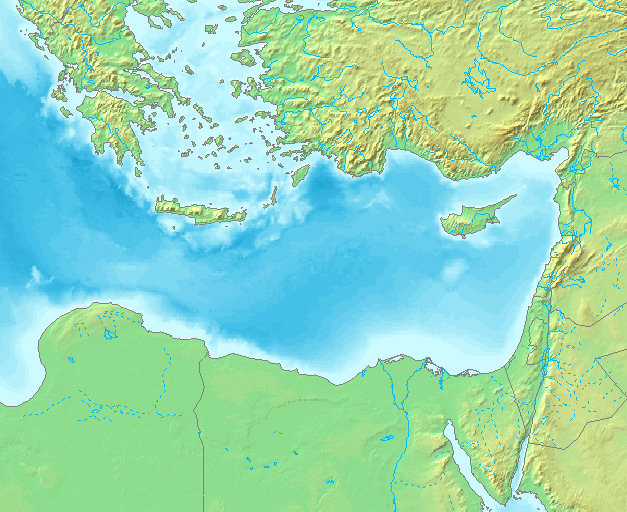
BENGHAZI — Libya's eastern-based parliament voted unanimously on Tuesday to approve the Libya Turkey maritime deal, a 2019 agreement on dividing up maritime jurisdiction in the eastern Mediterranean, reversing its 2020 rejection and restoring political ties with Ankara, lawmakers told Reuters.
The House of Representatives backed the memorandum signed between Turkey and Libya's former Government of National Accord (GNA), and in the same session repealed two 2020 resolutions — one declaring the deal null and void, the other severing political relations with Turkey.

What the parliament decided
Two lawmakers told Reuters the deal will bring "strategic advantages in economic, political and national security affairs." House spokesperson Abdullah Bliheg announced the unanimous vote to approve the memorandum on the delimitation of maritime jurisdiction in the Mediterranean Sea — along with the unanimous repeal of Resolution No. 1 of 2020, which had refused to ratify the two GNA–Turkey memoranda, and Resolution No. 6 of 2020, which had called for severing political relations with Turkey.
Lawmaker Tarek al-Jeroushi told Reuters the agreement would strengthen Libya's position "as a political, military and economic partner to major powers." He added: "Some countries may be upset by this agreement, but what matters to us is our national interest."
Lawmaker Aisha al-Tabalqi told Reuters the agreement was approved after specialised committees presented "a full and detailed explanation of its provisions."
The 2019 agreement and the 2020 rejection
The deal dates to November 27, 2019, when the GNA — then headed by Fayez Al-Sarraj — and the Turkish government signed two memoranda of understanding in Istanbul. The first concerned security and military cooperation; the second concerned the delimitation of maritime jurisdiction in the Mediterranean, including the continental shelf and the exclusive economic zone.
At the time, Libya's eastern authorities flatly rejected both documents. In its Resolution No. 1 of 2020, the House rejected the two memoranda and deemed them null and void, insisting the legislature had to ratify any memorandum signed by the government. Resolution No. 6 of 2020 went further, calling for cutting political ties with Ankara altogether — a boycott that has now lasted six years.
The 2019 arrangement also drew opposition in Egypt and Greece, both with stakes in eastern Mediterranean energy exploration and maritime boundaries, Reuters notes. Turkey, for its part, had been a major backer of the internationally recognised GNA in western Libya during the civil conflict.

Libya Turkey Maritime Deal: Why the Reversal Matters
Libya remains split between rival western and eastern administrations, with the east under military commander Khalifa Haftar. For years that division defined Ankara's ties in the country: Turkey backed the GNA in the west while the east treated Turkey as an adversary.
Tuesday's unanimous vote scrambles that picture: by approving a deal it once called null and void while restoring political ties, the eastern parliament has opened the door to a working relationship with Ankara. For Turkey, the agreement aims to safeguard both countries' rights and interests in the eastern Mediterranean, with what Hürriyet Daily News calls "the potential to significantly alter the balance of power in the region." The unanimity is striking given the chamber's own history: this is the same body that declared the deal null and void in 2020.

Why it matters
The vote matters for three reasons. First, the eastern Mediterranean — where this very deal has been contested by Egypt and Greece since 2019 — is a key energy frontier, and shifts in its maritime politics can ripple into gas exploration and European energy security. Second, the vote signals a possible thaw between Turkey and the Haftar-aligned east — a realignment that could reshape alliances across North Africa. Third, it narrows Libya's institutional divide: when the eastern legislature ratifies an agreement signed by a western government, the country's split narrows, at least on paper.
The vote lands as maritime security dominates headlines — from oil nearing $110 as Houthi attacks rattle shipping to Iran's claimed downing of a US drone over the Strait of Hormuz.
What happens next
The immediate question is how Egypt and Greece respond. Both opposed the 2019 deal, and al-Jeroushi's own remark — "some countries may be upset by this agreement" — suggests the parliament expects pushback. Athens and Cairo had not publicly reacted to Tuesday's vote at the time of writing. The other question is practical: whether the vote translates into real cooperation between Ankara and the eastern authorities on energy or security. For now, the parliament's statement is the development — unanimous, on the record, and a clean break with six years of boycott.
Key Takeaways
- Libya's eastern-based House of Representatives voted unanimously on Tuesday, October 20, 2026, to approve the 2019 Turkey–Libya maritime jurisdiction memorandum.
- Lawmakers also repealed Resolution No. 1 of 2020 (which had declared the deal null and void) and Resolution No. 6 of 2020 (which had severed political ties with Ankara).
- The original deal was signed on November 27, 2019, in Istanbul by Turkey and the GNA government headed by Fayez Al-Sarraj, covering the continental shelf and exclusive economic zone.
- Lawmaker Tarek al-Jeroushi said the agreement strengthens Libya's position "as a political, military and economic partner to major powers."
- The deal was previously opposed in Egypt and Greece; neither had publicly reacted at the time of writing.
Frequently Asked Questions
What did Libya's parliament vote on October 20, 2026?
The eastern-based House of Representatives voted unanimously to approve the maritime jurisdiction memorandum signed between Turkey and Libya's former Government of National Accord in 2019. It also repealed two 2020 resolutions: one rejecting the deal and one cutting political ties with Ankara.
What is the 2019 Turkey–Libya maritime deal?
It is a memorandum of understanding on the delimitation of maritime jurisdiction in the Mediterranean Sea, including the continental shelf and the exclusive economic zone. It was signed on November 27, 2019, in Istanbul by the Turkish government and the GNA headed by Fayez Al-Sarraj, alongside a separate memorandum on security and military cooperation.
Why did eastern Libya reject the deal in 2020?
In Resolution No. 1 of 2020, the House of Representatives rejected the two memoranda and deemed them null and void, arguing that the legislative authority had to ratify any memorandum signed by the government. Resolution No. 6 of 2020 went further, calling for severing political relations with Turkey entirely.
Why do Egypt and Greece oppose the deal?
Reuters reports the 2019 agreement drew opposition in Egypt and Greece, both with interests in eastern Mediterranean maritime boundaries and energy exploration. Türkiye's Hürriyet Daily News describes the deal as safeguarding both countries' rights and interests, and accuses Greece of pursuing "maximalist claims" via the so-called Seville Map.
What changes now that the deal is approved?
Legally, the agreement now has the backing of Libya's eastern legislature, which once called it null and void — strengthening its standing. Politically, the repeal of the 2020 resolutions restores formal ties between the east and Ankara. Whether that leads to practical cooperation on energy or security remains to be seen.
By GlobalDeskNews Staff
Sources
- Reuters — "Eastern Libya parliament approves maritime deal with Turkey, lifts 2020 boycott" (October 20, 2026; reporting by Ayman al-Warfalli, additional reporting by Ahmed Elumami)
- Al-Wasat (English) — "House of Representatives Unanimously Approves Maritime Memorandum of Understanding with Turkey" (published 2026-10-20T14:43:33+02:00)
- Hürriyet Daily News — "Libya's parliament approves maritime deal with Türkiye, reverses previous rejection" (October 20, 2026)
Related coverage: 12 migrants drowned off Greece · Rubio's India visit: trade deal and Russian oil on the agenda