
EDMONTON — Albertans have voted to remain part of Canada, rejecting a proposal that would have put the oil-rich province on the path toward a future binding referendum on separation. The result, which began arriving early Tuesday, is a decisive new development in the story we covered as voting took place Monday — our earlier report, Alberta Votes Today on Separation Referendum Path, carried the details of the ballot itself.
Quick Answer: Albertans voted on Monday, October 19, to stay in Canada, rejecting a proposal that would have started the province down a path toward a future binding vote on separation. Early unofficial tallies showed roughly three-quarters backing unity, with counting still underway early Tuesday. Prime Minister Mark Carney called it a "clear choice" for national unity.

Alberta rejects separation referendum: early results
With more than one million votes counted, about 76 to 77 percent of Albertans supported remaining in Canada, versus about 23 percent who backed beginning a process that could lead to separation, early results showed on Tuesday, according to Al Jazeera. CNN, citing unofficial results posted by the province, reported "about three quarters" of voters chose to stay, with roughly 45 percent of polls reporting as of early Tuesday local time.
The numbers were early, unofficial, and counting was still continuing. But the direction was unmistakable: the separatist option was losing heavily. Notably, the ballot was not a direct vote on independence. It asked whether Alberta should remain in Canada or set itself on a path toward a future, binding vote on separation — the first plebiscite of its kind in Canada since the 1995 Quebec referendum, in which the predominantly French-speaking province rejected secession by a razor-thin margin.
Carney claims a unity victory

Prime Minister Mark Carney, for whom the referendum had become an existential political test, welcomed the result in a statement posted to X early Tuesday.
"They chose unity, to build together, and to take care of each other," he said. "Albertans and all Canadians will move forward together with renewed purpose and high ambition."
It is a much-needed win for Carney as he tries to unify the country amid an ongoing trade war with the United States, Al Jazeera noted. Carney, who grew up in Alberta, had conceded the frustrations many Albertans felt were real — while warning separation would only "burden" them "with years of deep division and great uncertainty," and that "some outside our borders are working to break us so they can own us."
Smith: pleased, and looking forward
Alberta Premier Danielle Smith, the conservative who announced the referendum back in May, said she was "very pleased" with the remain result in a post to X late Monday local time, CNN reported. Smith has said she personally voted against independence and that a win for the federalists would close the secession question.
Smith, who blamed Carney's predecessor Justin Trudeau for igniting the separatist fire — accusing him of trying to crush oil production to advance his pro-climate agenda — has partnered with Carney on a major new pipeline to export more Alberta bitumen overseas, a project considered a nonstarter during Trudeau's tenure.
Why separatism made the ballot
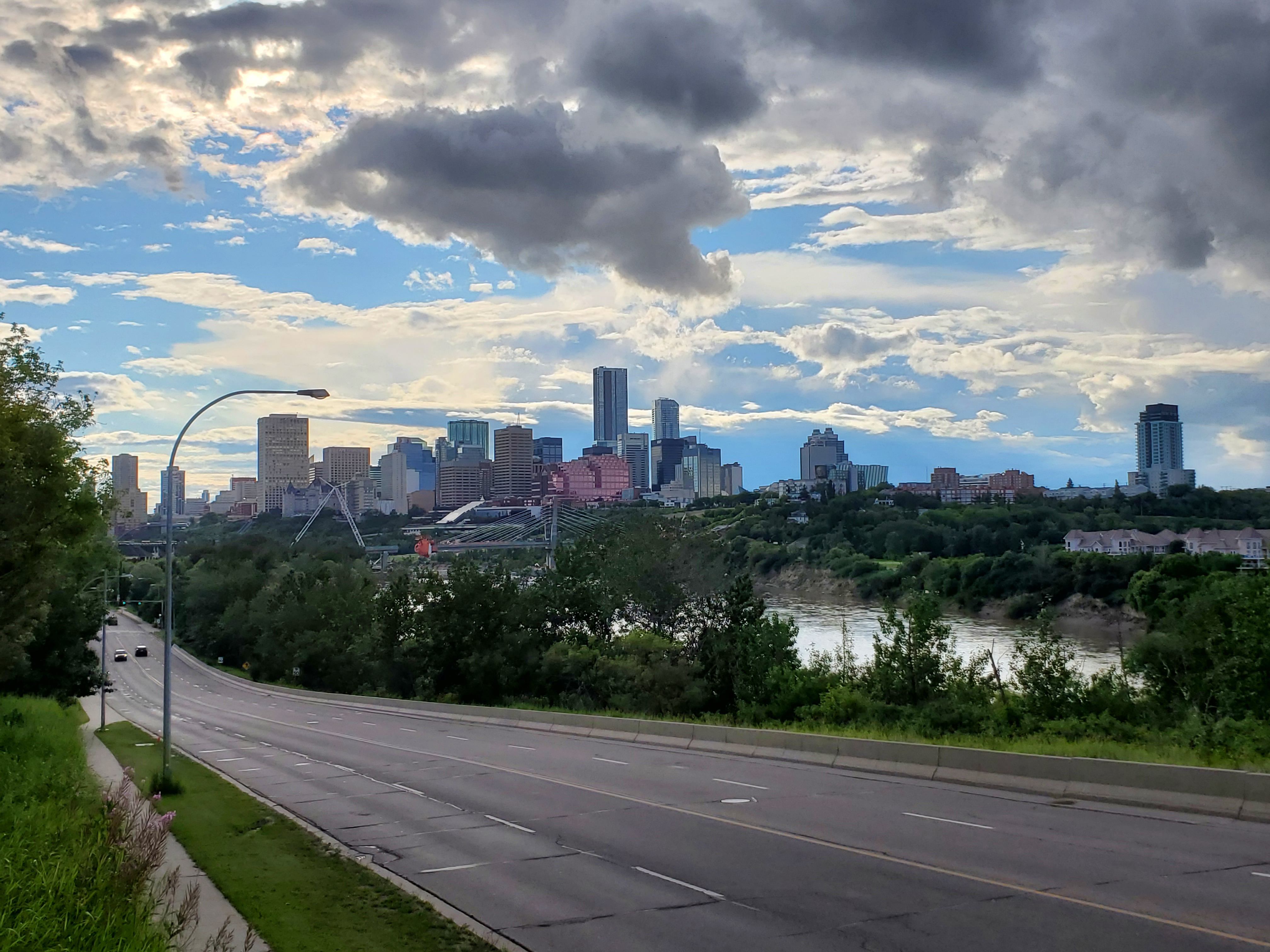
Alberta, roughly the size of Texas with about 5 million people, has long harbored a fringe independence movement — much of it driven by anger over how the oil industry is managed. The province sits on the world's fourth-largest proven oil reserves, and separatists say the federal system underrepresents Alberta, that climate policies threaten its fossil fuel economy, and that its conservative politics are outweighed by the liberal east. The movement grew louder after Carney's Liberals won the 2025 federal election amid the U.S. trade war, CNN reported.
What sharpened the stakes was the U.S. angle. The campaign, amplified heavily online, actively sought support from Washington: secessionist leaders met with U.S. officials over the past two years, and prominent separatist lawyer Jeffrey Rath told CNN that Trump's 2024 election gave activists hope — "If anybody is going to have the guts to recognize an independent Alberta, (it) would be the Trump administration." Those meetings incensed Canadian politicians, some of whom accused the leaders of "treason." The campaign carried a Trumpian flavor — a 2025 rally featured red "Make Alberta Great Again" hats — and Treasury Secretary Scott Bessent called Albertans "very independent people" and the province a "natural partner" for the United States. Elon Musk urged Alberta to separate on X last week, saying it would be "better off."

The vote also faced questions about foreign interference after the Globe and Mail reported that Republican operatives had assisted top separatist leaders, CNN reported.
Why it matters and what happens next
The result settles — for now — a question that has divided one of Canada's most powerful provinces, and it hands Carney domestic momentum just as the U.S. trade war and repeated annexation talk test Canadian unity. It also delivers a blunt message to Washington's separatist sympathizers: the campaign they encouraged just lost roughly three-to-one.
Counting was still underway early Tuesday, so the final margin is yet to be confirmed. Separatist leader Rath told reporters his push will "absolutely" continue, while pro-unity campaigner Thomas Lukaszuk told cheering crowds the vote proved "Canada is not up for grabs." For Ottawa, the focus now shifts to delivering on campaign promises: expanding trade, accelerating infrastructure, and deepening energy cooperation with Alberta. With oil prices pushing toward $110, Alberta's massive reserves give Ottawa a powerful reason to keep the province inside the federation.
Key Takeaways
- Albertans voted Monday, October 19, to remain in Canada: early unofficial tallies showed roughly 76-77% for unity versus about 23% for beginning the process toward a future binding separation vote.
- The ballot was not a direct vote on independence — it asked whether to set Alberta on the path to a future binding vote; Canada's first such plebiscite since the 1995 Quebec referendum.
- Prime Minister Mark Carney welcomed the result as a "clear choice" for unity — a significant win as he confronts a trade war and annexation threats from Washington.
- Premier Danielle Smith said she was "very pleased" and has said a federalist win should close the secession question; separatist leaders vowed to continue anyway.
FAQs
What did Albertans actually vote on?
Not directly on independence. The question asked whether Alberta should remain in Canada or begin the legal process toward a future, binding referendum on separation. It was a non-binding plebiscite — the first of its kind in Canada since 1995 — that would only have set the province on the path to a later vote.
What were the referendum results?
Early unofficial results on Tuesday showed roughly three-quarters voting to stay. Al Jazeera reported about 76-77 percent for the remain side with over one million votes counted, versus about 23 percent for starting the separation process. CNN reported "about three quarters" with roughly 45 percent of polls reporting. Counting was still underway.
Does this end Alberta's separatist movement?
Not necessarily. Smith says a federalist win should close the secession question, but separatist leader Jeffrey Rath told reporters his push for independence will "absolutely" continue, adding his side had "learned a lot of lessons from this fight." The movement's political energy may survive a heavy defeat.
How did Donald Trump factor into the vote?
Separatist leaders met U.S. officials in Washington seeking support, and figures like Treasury Secretary Scott Bessent and Elon Musk publicly backed their cause. Trump has repeatedly floated annexing Canada as the 51st U.S. state. The Globe and Mail also reported Republican operatives assisted separatist leaders, raising foreign-interference concerns.
Why was separatism gaining ground in Alberta?
The movement drew strength from anger over federal management of the oil industry — Alberta holds the world's fourth-largest proven oil reserves — plus arguments that Ottawa's climate policies threaten its fossil fuel economy and that the province is underrepresented in parliament. It grew louder after the Liberals' 2025 election win amid the U.S. trade war.
— GlobalDeskNews Staff
Sources
- CNN: Alberta rejects secession referendum, chooses to remain part of Canada — early results, Carney and Smith statements, Trump-connection background.
- Al Jazeera: Alberta voters reject separation from Canada, early results show — vote tallies, Rath and Smith reactions, oil-reserve context.
- Hindustan Times: Alberta voters reject separation from Canada, back tougher immigration limits — projection details, Carney campaign stops.
- The Times: Alberta referendum results: voters want to remain part of Canada — Elections Alberta tallies, Carney's Edmonton remarks.
- Related reading on GlobalDeskNews: Alberta Votes Today on Separation Referendum Path; Oil Nears $110 as Houthi Attacks Offset Russia Sanctions Relief; Trump Warns US Will 'Burn' Like France if Democrats Win.