
By GlobalDeskNews Staff | November 3, 2026
American voters are delivering their verdict on the first two years of President Donald Trump's second term in Tuesday's midterm elections, with all 435 seats in the US House of Representatives and 35 of the Senate's 100 seats up for election. Polls and nonpartisan analysts favour Democrats to wrest the House from Republicans, while control of the Senate remains uncertain — and with voting still underway, no result has been declared in any race covered here.
Quick Answer: On November 3, 2026, Americans are voting in midterm elections for all 435 House seats and 35 Senate seats. Polls and analysts favour Democrats to take the House, while Senate control remains uncertain. Democrats need three more House seats and four more Senate seats. First polls close at 6 p.m. ET, and the last at 1 a.m. ET in Alaska.

What is at stake
Democrats must flip at least three House seats and four Senate seats to win a majority in each chamber, according to Reuters. A Democratic House or Senate could launch investigations into what Democrats describe as self-dealing by the Trump administration and demand concessions to approve legislation. A Democratic Senate would also have the power to block Trump appointments, including US Supreme Court nominations if vacancies arise.
History is against Trump's Republicans: the sitting president's party has lost ground in Congress in all but two midterm elections since World War Two, Reuters notes. Trump's approval rating is hovering near his all-time lows, dragged down by deep voter frustration over the war with Iran and the resulting rise in fuel prices. There is little doubt this year's election is all about Trump: he has told supporters repeatedly to "pretend I'm on the ballot", a message Democratic leaders have happily echoed.
Beyond Congress, three dozen governors' races are also taking place on Tuesday, as well as thousands of state-level legislative contests and ballot measures on everything from a billionaires' tax to abortion rights. In the House, 47 races are widely seen as competitive, according to a Reuters analysis of the leading election forecasters, and the fight has been waged largely on Republican turf, including some districts Trump carried by double digits in 2024.
What the polls say: cost of living first
The rising cost of living will be top of mind for Americans as they vote, according to a Reuters/Ipsos poll of 1,765 US adults conducted nationwide Thursday through Monday, with a margin of error of 3 percentage points for registered voters. Some 48% of registered voters said the cost of living is the top issue for deciding how they will vote, compared with 26% who said democratic norms and 13% who pointed to immigration. US fuel prices have surged since the start of the US-Israeli war with Iran in February, the poll report notes.
The same poll showed that 48% of people who planned to vote — or already had done so — thought of their ballots as a vote against Trump, compared to 25% who said they were voting for him, while 25% said Trump was not a factor in their vote. On household finances, 49% of Americans thought theirs had gotten worse since January 2025, when Trump returned to power, compared with 13% who said theirs had gotten better and 37% who said things were about the same.
On the Iran war itself, 25% of voters thought military action had been worth the cost and 55% said it had not been worth it, with 18% unsure. Voters overall trust the electoral process, the poll found, with 77% saying they are confident their ballots will be counted — though 45% said they think voter fraud is a widespread problem. While poll respondents appeared to narrowly favour Democrats for Congress, they remain divided on which party has good ideas: 43% of registered voters said Democrats had at least some good ideas, while 39% said the same of Republicans.

Senate races to watch
The battle for the Senate is unfolding across nearly 10 closely contested statewide races, most in Republican strongholds. But while Democrats have put Republicans on the defensive on much of their home turf, they have little margin for error: the party must defend all of its current seats, including a tight race in Michigan, while winning at least two states that voted for Trump by a double-digit margin two years ago — Alaska, Iowa, Kansas, Nebraska, Ohio, South Carolina and Texas. Opinion polls show Democrats either narrowly leading or within striking distance in all of those states.
The Michigan Senate contest between progressive Democrat Abdul El-Sayed, 42, and Republican former US Representative Mike Rogers, 63, received a fresh jolt on Sunday, when Democrat Haley Stevens, who narrowly lost to El-Sayed in the party's primary election, endorsed Rogers in a surprise reversal. The Michigan race is also a high-profile test of whether Republicans' identity-based attacks prove effective in a battleground state: El-Sayed would be the nation's first Muslim senator, Reuters notes.
In Alaska, the Senate race has been caught up in turmoil after the New York Times reported that the campaign of Democratic candidate Mary Peltola, 53, helped recruit a third candidate who shares the first and last name of her Republican opponent, Dan Sullivan, 61. Peltola has denied involvement. Trump's Justice Department has launched a criminal probe into the allegations and filed a lawsuit to block certification of the election results, though a judge dismissed the latter effort.
In Texas, Democratic Senate candidate James Talarico, 37, has his party once again dreaming of winning the biggest Republican state after decades of heartbreak. His opponent, Republican Attorney General Ken Paxton, 63, has benefited from a nine-figure investment from the world's richest man, Elon Musk, who has spent hundreds of millions of dollars boosting Republicans, Reuters reports. In Kansas, Democrat Adam Hamilton, 62, held a narrow polling lead over Republican US Senator Roger Marshall, 66; the state voted for Trump by more than 16 percentage points in 2024 and has not elected a Democratic senator in nearly a century. In Maine, Republican US Senator Susan Collins, 73, is seeking to defy the Democratic leanings of her home state and win a sixth term against Democrat Troy Jackson, 58.
The Justice Department's interventions
Democrats have warned that Trump, who has long falsely claimed that US elections are rigged, may attempt to challenge Tuesday's results if Republicans lose. In addition to its actions in Alaska, Trump's Justice Department also filed a lawsuit in California to block ballots it says may be invalid, a break from decades of practice meant to insulate elections from political influence. The US Supreme Court on Monday rejected the administration's request for an emergency order in that case, Reuters reports.
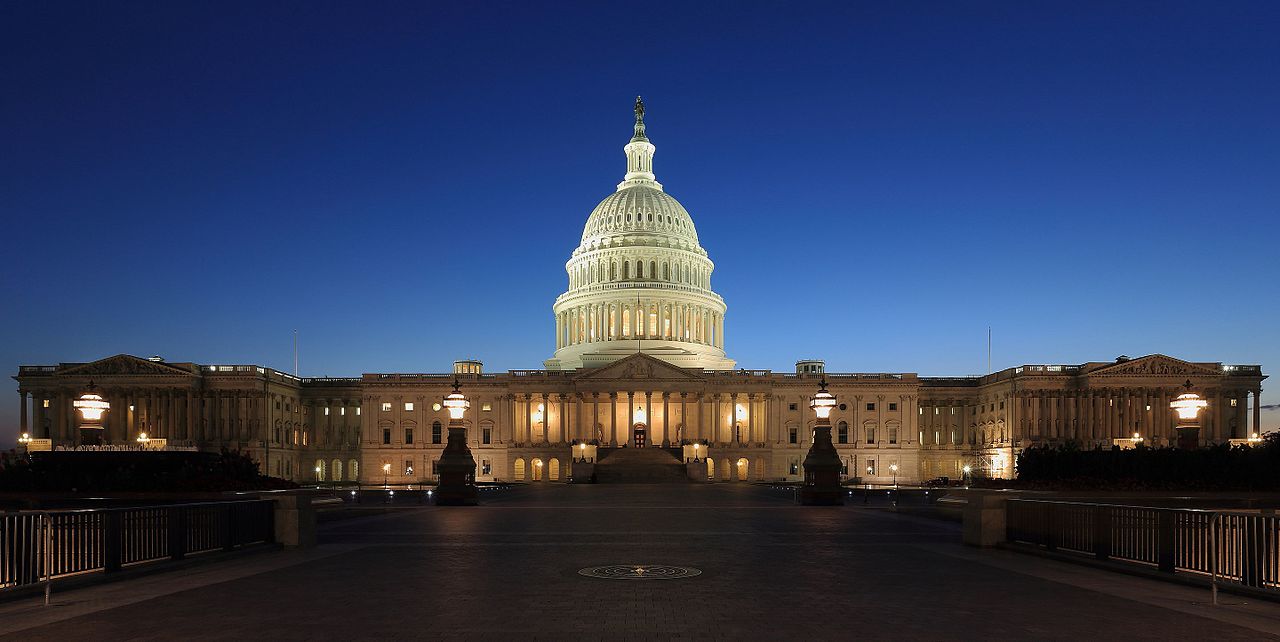
When polls close
Polling times vary by state. Voting began at 5 a.m. ET in Vermont, with Connecticut, Indiana, Kentucky, New Hampshire, New Jersey, New York and Virginia opening at 6 a.m. ET. The last polls open in Alaska and Washington at 11 a.m. ET, and at 12 p.m. ET in Hawaii, according to The News.
The first polls close at 6 p.m. ET in the eastern parts of Indiana and Kentucky and most of Florida — that is 04:00 PKT on November 4. Closings then roll westward through the evening: 7 p.m. ET in Georgia, South Carolina, Vermont and Virginia; 8 p.m. ET across much of the East Coast and Midwest; 9 p.m. ET in New York, Michigan and Texas (most of the state an hour earlier); 10 p.m. ET in Iowa, Montana, Nebraska, Nevada, North Dakota and Utah; 11 p.m. ET in California, Oregon and Washington; midnight ET in Hawaii; and finally 1 a.m. ET in Alaska — 11:00 PKT on November 4. After the first close, this preview framing expires and a results article will be needed instead.
What happens next
Three things will decide the night. First, whether Democrats take the House, which polls and analysts favour but have not guaranteed. Second, whether the Senate's nearly 10 close races break toward Democrats in states Trump won heavily, or hold for Republicans. Third, whether any result is challenged: Democrats have warned Trump may contest outcomes if Republicans lose, and the Justice Department's pre-election lawsuits in Alaska and California already signal a litigated aftermath. No winner has been declared in any race covered here while voting is underway.
Key Takeaways
- On November 3, 2026, Americans are voting for all 435 House seats, 35 Senate seats, three dozen governorships and thousands of state contests.
- Democrats need a net gain of three House seats and four Senate seats for majorities in each chamber.
- Polls and analysts favour Democrats to take the House; Senate control remains uncertain, with nearly 10 close races, most in Republican strongholds.
- The Reuters/Ipsos poll puts cost of living first for 48% of registered voters, against 26% for democratic norms and 13% for immigration.
- First polls close at 6 p.m. ET (04:00 PKT November 4); the last close at 1 a.m. ET in Alaska (11:00 PKT November 4).
- No result is declared in this article — voting is still underway, and a results piece will follow once polls close.
Frequently Asked Questions
What is being decided in the 2026 US midterms?
All 435 seats in the US House of Representatives and 35 of the Senate's 100 seats are up for election, along with three dozen governors' races, thousands of state legislative contests and ballot measures on issues from a billionaires' tax to abortion rights. Most contests are not considered competitive, but 47 House races are widely seen as competitive.
What do the polls say about who will win?
Polls and nonpartisan analysts favour Democrats to wrest the House from Republicans, while control of the Senate remains uncertain. The Reuters/Ipsos poll found respondents narrowly favouring Democrats for Congress, but divided on ideas: 43% of registered voters said Democrats had at least some good ideas, against 39% for Republicans. These are pre-vote polls, not results.
What would a Democratic win change?
A Democratic House or Senate could launch investigations into what Democrats describe as self-dealing by the Trump administration and demand concessions to approve legislation. A Democratic Senate could also block Trump appointments, including US Supreme Court nominations if vacancies arise. Democrats would still need to hold all their current seats to gain either majority.
Which Senate races matter most?
Michigan, where Haley Stevens endorsed Republican Mike Rogers over fellow Democrat Abdul El-Sayed; Alaska, where a same-name third candidate row drew a Justice Department probe; Texas, where James Talarico faces Ken Paxton; Kansas, where Adam Hamilton narrowly leads Roger Marshall; and Maine, where Susan Collins seeks a sixth term. Iowa, Nebraska, Ohio and South Carolina are also competitive.
When do polls close?
The first polls close at 6 p.m. ET in eastern Indiana and Kentucky and most of Florida — 04:00 PKT on November 4. Closings roll westward, with California, Oregon and Washington at 11 p.m. ET, Hawaii at midnight ET and Alaska last at 1 a.m. ET — 11:00 PKT on November 4. Results will follow once polls close.
What did voters say matters most?
Cost of living: 48% of registered voters in the Reuters/Ipsos poll called it their top voting issue, against 26% for democratic norms and 13% for immigration. The same poll found 48% of planned or already-cast voters saw their ballot as a vote against Trump, against 25% for him, while 25% said he was not a factor.
Sources
- Reuters, November 3, 2026 — Trump faces midterm verdict with control of Congress at stake
- Reuters/Ipsos, November 3, 2026 — Nine things on US voters' minds ahead of midterm elections
- The News, November 3, 2026 — 2026 midterm elections: When do polls open and close across the US?
- Related GlobalDeskNews coverage: Judge dismisses Trump $10 billion WSJ lawsuit with prejudice
- More stories at Global Desk News