
The UN Security Council voted on Thursday, October 8, 2026, to keep its arms embargo on Sudan's Darfur region alive for another two months — but refused, once again, to extend that ban across the whole of Sudan. The 15-member council unanimously adopted Resolution 2830, stretching the sanctions regime to December 11, 2026, after Russia and China blocked a US-led push for a nationwide embargo on the war-torn country.
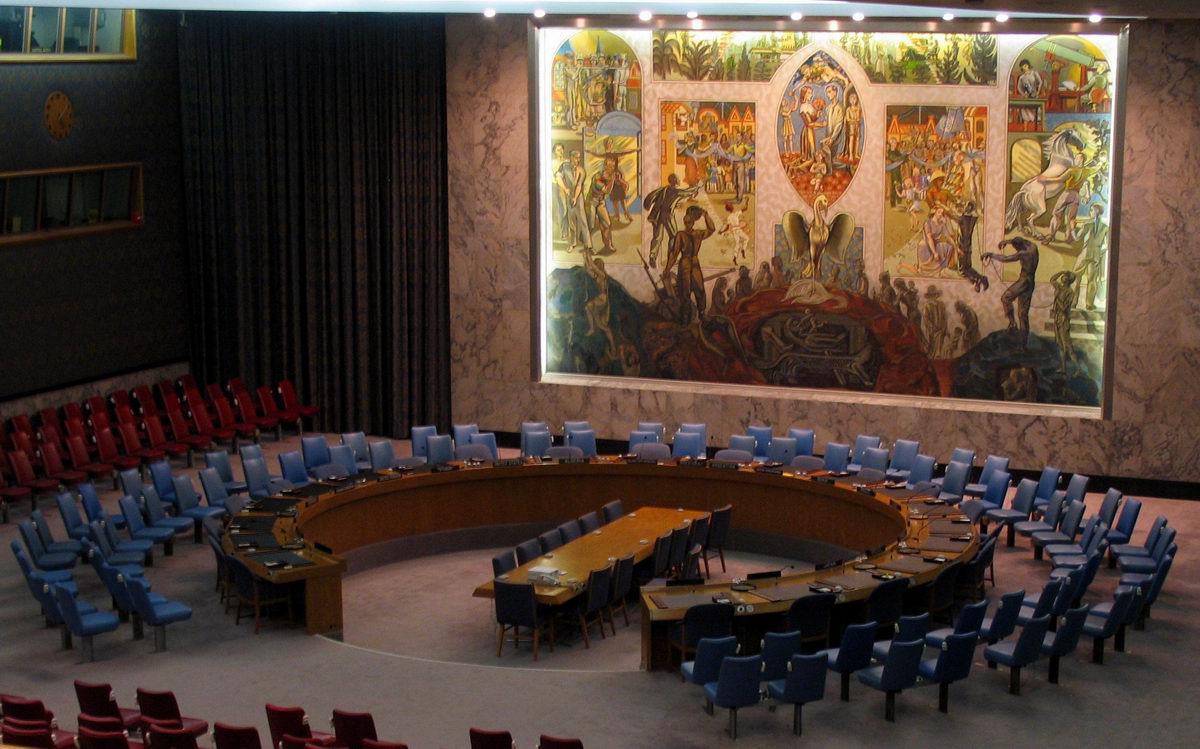
The UN Darfur arms embargo extension to December 11, 2026
Here's the short version: almost nothing changes — yet. The resolution renews the existing sanctions regime, first imposed in 2005, without adding a single new measure: an arms embargo on armed actors in Darfur, a travel ban and asset freeze on designated individuals and entities, and a five-member panel of experts that watches for violations, according to Al Jazeera.
The panel of experts — the people who track arms shipments, name violators, and build evidence for future sanctions — gets its mandate extended until January 11, 2027, Al Jazeera reports. Diplomats call this a "technical rollover": a short, no-change renewal designed purely to buy time. The last one, adopted on September 11, lasted only a single month.
Two months is unusually brief for a regime that normally runs a year or more. The length tells the story: the council is split, and nobody wanted the embargo to lapse while the argument plays out. Arab News reports the council settled on the short extension "while negotiations continue behind the scenes" — making December 11 the date everyone is watching.
Why Washington wants the ban to cover all of Sudan
The United States has been arguing for months that the Darfur-only embargo belongs to a different war. US Ambassador Jeff Bartos told the council last month that "the current sanctions regime is over 20 years outdated, and is insufficient to address the realities of the war today," urging it to "expand the arms embargo across the entire territory of Sudan," Al Jazeera reports.
The US argument is that the tool no longer fits the war: the fighting isn't confined to Darfur anymore — it spans the whole country — and the weapons fueling it are increasingly high-tech. Massad Boulos, the US senior adviser for Arab and African affairs, said the US remains committed to expanding the embargo to shield civilians from "increasingly sophisticated weapons, including drones," according to The National.
Boulos, working with US Ambassador to the UN Mike Waltz, first proposed the nationwide expansion in August. The two argued in a September Foreign Policy piece that a wider ban would "take aim at arms traffickers, financiers, mercenary recruiters and drone suppliers" — with "no carve-outs," The National reports. After the vote, Boulos said the short extension came after consultations with Quad partners, allies, and council members, to give diplomacy more time toward a negotiated settlement, a humanitarian truce, and a lasting ceasefire. "This extension is not a lapse in our resolve," he said, adding: "External military support to the warring parties must end."
Why Russia, China and others said no
Moscow's position was blunt. Russia's deputy UN ambassador, Anna Evstigneeva, told the council: "We will not allow even a hint of broadening the restrictions by the council on Sudan," Al Jazeera reports. Both Russia and China have argued for keeping the existing regime as it is.
They weren't alone. The National reports the proposal also met resistance from the Democratic Republic of the Congo, Liberia, Somalia, and Pakistan — all of which prefer the sanctions confined to Darfur. Sudan's own UN ambassador, Al-Harith Mohamed, argued that a total embargo would violate the UN Charter's guarantee of a state's right to self-defence, according to Al Jazeera.
So here's the arithmetic that matters: Russia and China hold veto power, which means the US proposal can never pass without their consent. The unanimous vote for the two-month rollover, then, was really a vote to keep talking — the one thing everyone could agree on.

A sanctions regime born in 2005
To understand why this fight keeps happening, it helps to remember where the embargo came from. The measures were first imposed in 2005 under Resolution 1591, during the Darfur conflict — a different war, in a different decade: an arms embargo on armed actors in Darfur, a travel ban and asset freeze on designated individuals and entities, and a five-member panel of experts, Al Jazeera reports. The current war — between the Sudanese Armed Forces and the paramilitary Rapid Support Forces — erupted in April 2023 and has nothing to do with that mandate's original design.
Why it matters
Even with the embargo in place, weapons have kept reaching the battlefield. The National notes the embargo "has failed to stop weapons reaching Darfur" — but adds that it lets UN experts investigate arms shipments and name those responsible, paving the way for further sanctions.
The human cost behind these procedural votes is staggering. Al Jazeera reports the war, which began in April 2023, has killed at least 59,000 people — though aid groups warn the true toll could be far higher — displaced about 13 million people, and pushed parts of the country into famine. Arab News describes armed drones now deployed on the battlefield, "taking a particularly deadly toll on civilians." The army holds the country's central and eastern regions while the RSF controls Darfur in the west and parts of the south; Darfur alone — roughly the size of Spain — has seen displacement camps invaded and ethnic massacres killing thousands at a time.
There's also a diplomatic chill between Washington and Khartoum. The National reports tensions rose after the US reportedly withheld a visa for Gen. Abdel Fattah al-Burhan, head of the Sudanese Armed Forces, ahead of his scheduled UN General Assembly address last month. Reuters reported the move appeared linked to his resistance to a US-backed ceasefire plan; Sudan says it did not reject the plan but submitted comments on it. US State Department spokesman Tommy Pigott said last month that neither the SAF nor the RSF represents a legitimate constitutional government.

What happens next
The council has bought itself about nine weeks. Negotiations on the nationwide embargo continue behind the scenes, and the December 11 deadline will force the same debate back onto the table — renew the rollover, or finally break the deadlock. Don't expect a breakthrough: Russia's veto threat hasn't moved, China's position hasn't moved, and neither have the African and Pakistani members who prefer the Darfur-only regime.
The most likely outcome on December 11 is another technical rollover — possibly a longer one. But the pressure is building: the war is in its fourth year, the weapons keep getting more sophisticated, and each short renewal reminds the council that its 2005 answer no longer fits a 2026 war.
Key Takeaways
- On October 8, 2026, the UN Security Council unanimously adopted Resolution 2830, extending the Darfur arms embargo until December 11, 2026.
- The mandate of the panel of experts monitoring the sanctions now runs until January 11, 2027.
- The US proposal to expand the embargo nationwide failed after opposition from veto-holding Russia and China, plus the DRC, Liberia, Somalia, and Pakistan.
- The two-month "technical rollover" buys time for behind-the-scenes negotiations ahead of a new December 11 deadline.
- Sudan's war, which began in April 2023, has killed at least 59,000 people and displaced about 13 million, according to Al Jazeera — with drones now a major factor on the battlefield.
Frequently Asked Questions
What exactly did UN Security Council Resolution 2830 do?
Resolution 2830, adopted unanimously on October 8, 2026, extended the existing Darfur sanctions regime — an arms embargo on armed actors in Darfur, plus a travel ban and asset freeze on designated individuals — until December 11, 2026. It also extended the panel of experts' monitoring mandate to January 11, 2027. It added no new measures.
Why did the council extend the Darfur embargo for only two months?
The short "technical rollover" reflects disagreement. The US wants to expand the embargo nationwide, while Russia, China, and several other members want it confined to Darfur. With no consensus, the council renewed the existing regime briefly — as it did for one month on September 11 — to avoid a lapse while negotiations continue.
Why did Russia and China block a Sudan-wide arms embargo?
Both countries have argued for keeping the existing Darfur-only regime. Russia's deputy ambassador said Moscow would not allow "even a hint" of broadening the restrictions. As permanent members with veto power, their opposition alone is enough to kill any expansion proposal, and they were joined by the DRC, Liberia, Somalia, and Pakistan.
What weapons is the proposed nationwide embargo meant to stop?
US officials say the war is increasingly fought with sophisticated imported weaponry, especially armed drones and dual-use technology. A nationwide ban would target arms traffickers, financiers, mercenary recruiters, and drone suppliers on both sides, with what US officials described as "no carve-outs" for either the army or the RSF.
Who monitors whether the embargo is being broken?
A five-member UN panel of experts, created alongside the sanctions in 2005. It investigates arms shipments, identifies those responsible for violations, and its findings can pave the way for further sanctions. Its mandate now runs until January 11, 2027, under Resolution 2830.
How does the embargo connect to Sudan's current war?
The embargo dates to the 2005 Darfur conflict, but the current war — between the army and the RSF since April 2023 — spans the whole country. The army controls central and eastern Sudan; the RSF holds Darfur and parts of the south. Washington argues a Darfur-only ban can't address a nationwide war; opponents disagree.
What happens when the extension expires on December 11?
The council must vote again — either to renew the rollover (the most likely outcome, given the deadlock), reach a deal on the US nationwide proposal, or let the measures lapse. Behind-the-scenes negotiations are continuing, and Washington says it remains committed to expanding the embargo to all of Sudan.
Sources
- Al Jazeera: UN extends Darfur arms embargo, blocks broader Sudan sanctions proposal
- The National: UN Security Council extends arms embargo in Sudan's Darfur as US pushes for nationwide ban
- Arab News: UN extends Darfur arms embargo by two months
- GlobalDeskNews: Yemen launches counteroffensive
- GlobalDeskNews: Saudi-led coalition destroys 82 Houthi targets
- GlobalDeskNews: Houthis claim strikes on Riyadh airport