
By GlobalDeskNews Staff
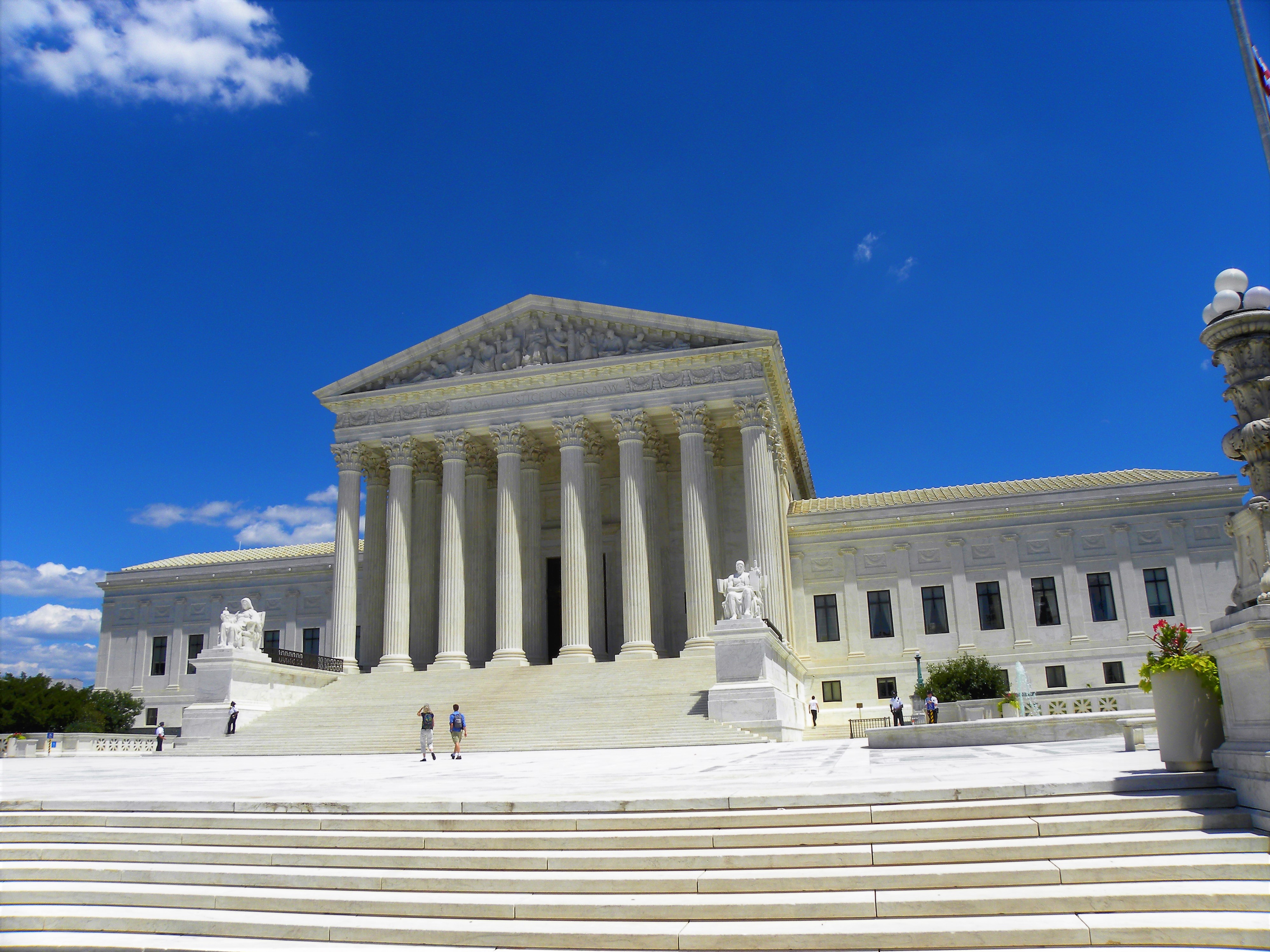
WASHINGTON — The US Supreme Court on Monday shut the door on the Khalid Sheikh Mohammed plea deal, refusing to revive the 2024 agreement that would have spared the accused mastermind of the September 11, 2001, attacks from facing the death penalty. The justices declined to hear appeals from Mohammed and two co-defendants, ending — for now — a bitter legal fight over whether then-Defense Secretary Lloyd Austin had the authority to tear up the agreements two days after they were struck.
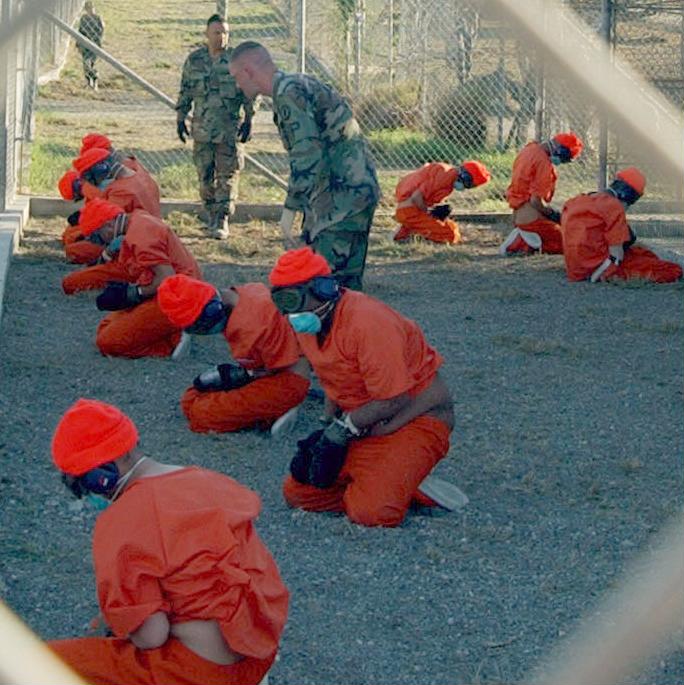
The court's action marks the latest milestone in a military prosecution at Guantanamo Bay, Cuba, that Reuters described as beset by two decades of legal gridlock. Mohammed remains the most well-known inmate at the detention facility, which was set up in 2002 by then-President George W. Bush to hold foreign terrorism suspects after the 9/11 attacks killed nearly 3,000 people.
- The Supreme Court declined on Monday to hear appeals by Khalid Sheikh Mohammed and two co-defendants seeking to revive their 2024 plea deals.
- The agreements would have traded guilty pleas for life in prison without parole, taking the death penalty off the table.
- Then-Defense Secretary Lloyd Austin revoked the deals two days after they were signed, saying only the defense secretary should decide a death-penalty question in a case as grave as 9/11.
- A military trial is now set for June 2028 — more than a quarter century after the attacks.
- Relatives of 9/11 victims remain split: some say a trial is the best path to justice, while others believed the plea deal was the best hope of finally closing the case.
What the Supreme Court Decided on Monday
The justices turned away appeals by Mohammed and the two co-defendants who had also signed plea agreements, leaving intact a lower-court ruling that upheld Austin's decision to void the deals. The US Court of Appeals for the District of Columbia Circuit had rejected the defense argument that Austin, who served under former President Joe Biden, had acted too late.
According to AFP, the Supreme Court issued a brief, unsigned opinion saying it would not take up the appeal. The decision drew an immediate response from the Justice Department. Monday's action "clears the path for holding those responsible for the September 11 attacks accountable. This is a critical step toward delivering justice for the victims and families on one of the darkest days in American history," a Justice Department spokesperson said in a statement.
The 2024 Khalid Sheikh Mohammed Plea Deal Lloyd Austin Scrapped
The plea agreements for Mohammed and co-defendants Mustafa al Hawsawi and Walid bin 'Atash had been offered and accepted by the US official overseeing the Pentagon's Guantanamo war court, Reuters reported. The arrangement prompted criticism from Republican lawmakers — and then Austin stepped in.
Austin revoked the deals two days later. The Associated Press reported that Austin threw out the agreement in 2024, saying a decision on the death penalty in an attack as grave as September 11 should only be made by the defense secretary. Under the deal, Mohammed would have been spared the risk of execution in exchange for his guilty plea and a sentence of life in prison without parole.
What followed was a legal battle over whether Austin even had the power to do that. A military judge ruled that Austin lacked the authority to invalidate the plea deals, a decision upheld in December by the US Court of Military Commission Review. The judge then scheduled prompt plea hearings.
But the DC Circuit paused those proceedings, and in July 2025 a divided panel of that court backed the decision to scrap the plea deals, saying Austin "indisputably had legal authority to withdraw from the agreements." Defense attorneys for Mohammed and al Hawsawi, including lawyers from the American Civil Liberties Union, had urged the Supreme Court to take the case. They argued Austin's action violated controlling military law and "prolonged the best chance for finality in the September 11 case in a quarter century."

Why 9/11 Families Are Split
Relatives of the September 11 victims were divided over the agreements for Mohammed and the two co-defendants, the AP reported. Some said a trial is the best path to justice, while others saw the plea deal as the best hope for bringing the long, painful case to a conclusion.
That split ran through the Supreme Court filings. Peaceful Tomorrows, an organization founded by family members of 9/11 victims, had urged the justices to put the plea agreement back in place, USA Today reported. The lower court's ruling means there will be "indefinite further delay in seeing this long and painful prosecution brought to a close," the group told the justices in a filing. "If left to stand, the decision raises the possibility that the prosecution of those responsible for the mass murder of thousands of people on U.S. soil will never be concluded," the group said. "Never."
The Justice Department told the court the families are divided over whether to keep seeking the death penalty, and that such a decision "implicates the interests of the entire nation" — so it should be made by a politically accountable official like the defense secretary.
What Happens Next: A June 2028 Trial
With the plea deals dead, the case heads toward a full military trial. In August, a US Air Force judge set the trial for Mohammed and his co-defendants for June 2028, Reuters reported. The AP likewise noted a trial date has been set for 2028.
But prosecutors face a serious problem. In August, a military judge threw out Mohammed's confession to FBI agents, ruling it was not given voluntarily and cannot be used against him at trial, USA Today reported. Mohammed, a Pakistani engineer who went to college in the United States, was subjected to waterboarding and other interrogation measures in secret CIA prisons before being transferred to Guantanamo in 2006.
Prosecutors had already agreed to exclude statements Mohammed made during his time in CIA custody. They had hoped his admissions of guilt to a "clean team" of FBI agents would be admissible. The judge's decision strips prosecutors of what they have said is the centerpiece of their prosecution of Mohammed.
For the past 14 years, USA Today noted, the military commission proceedings have been delayed repeatedly by disputes over the defendants' treatment in CIA custody and whether evidence gathered against them can be used at all. Much of the legal wrangling, AFP added, has focused on whether the men can be tried fairly after undergoing torture at the hands of the CIA.
Why It Matters
The Supreme Court's refusal closes one chapter but guarantees more delay in a case that has dragged on for a quarter century. Mohammed — known as "KSM" — was considered one of al-Qaeda leader Osama bin Laden's top lieutenants before his capture in Pakistan in March 2003, according to AFP. He is accused of developing and directing the plot to crash hijacked airliners into the World Trade Center and the Pentagon 25 years ago; another hijacked plane crashed into a field in Pennsylvania, the AP noted.
The ruling fits a wider pattern of high-stakes US legal battles GlobalDeskNews has covered, from Florida's arrest warrant for Cuban leader Raúl Castro to the fired FBI agents' lawsuit against Kash Patel and the Trump administration's Russia sanctions waiver.
Whether a 2028 trial finally delivers the verdict that two decades of hearings could not remains an open question — and one the victims' families have waited a quarter century to see answered.
Frequently Asked Questions
What did the Supreme Court decide about the 9/11 plea deal?
On Monday, October 19, 2026, the Supreme Court declined to hear an appeal by Khalid Sheikh Mohammed seeking to revive the 2024 plea deal. The justices turned away appeals from Mohammed and two co-defendants, leaving in place a lower-court ruling that upheld then-Defense Secretary Lloyd Austin's decision to void the agreements.
Who are the co-defendants in the 9/11 plea deal case?
The two co-defendants are Mustafa al Hawsawi and Walid bin 'Atash, both charged over the September 11, 2001, attacks. They had signed plea agreements alongside Mohammed in 2024, and their appeals to revive the deals were also turned away by the Supreme Court on Monday.
Why did Lloyd Austin revoke the 9/11 plea deals?
Austin revoked the deals two days after they were struck in 2024, saying a decision on the death penalty in an attack as grave as September 11 should only be made by the defense secretary. The move came after criticism from Republican lawmakers and some victims' families, and it triggered a legal battle over his authority.
When will Khalid Sheikh Mohammed go on trial?
A US Air Force judge set the military trial for Mohammed and his co-defendants for June 2028. The date was scheduled in August 2026. Prosecutors face an uphill battle after a military judge threw out Mohammed's FBI confession, ruling it was not voluntary and cannot be used at trial.
Why was Mohammed's FBI confession thrown out?
In August 2026, a military judge ruled that Mohammed's admissions of guilt to a "clean team" of FBI agents were not voluntary and cannot be used against him at trial. Mohammed was subjected to waterboarding and other interrogation measures in secret CIA prisons before his 2006 transfer to Guantanamo, and prosecutors had already agreed to exclude his CIA-custody statements.
What do 9/11 victims' families think about the plea deal?
Families are split. Some relatives say a trial is the best path to justice, while others saw the plea deal as the best hope of concluding the case. Peaceful Tomorrows, a group founded by victims' family members, urged the Supreme Court to restore the deal, warning of "indefinite further delay" in closing the prosecution.
Could the death penalty still be imposed on Mohammed?
Yes. With the plea deals voided, the death penalty remains on the table at the 2028 military trial. The Justice Department told the Supreme Court that whether to keep seeking execution "implicates the interests of the entire nation" and should be decided by a politically accountable official such as the defense secretary.
Sources
- Reuters — "US Supreme Court snubs bid to revive plea deal for accused 9/11 mastermind" (October 19, 2026): reuters.com
- Associated Press (Lindsay Whitehurst) — "Supreme Court rejects effort to revive Khalid Sheikh Mohammed plea deal" (October 19, 2026): kcau9.com
- USA Today — "Supreme Court won't revive 9/11 plea deal to end long-delayed prosecution" (October 19, 2026): usatoday.com
- AFP via Free Malaysia Today — "US Supreme Court denies bid by 9/11 mastermind to revive plea deal" (October 20, 2026): freemalaysiatoday.com