
Quick Answer: King Khalid International Airport in Riyadh was evacuated and closed on Saturday after missiles struck Terminals 3 and 4, Saudi officials told The Wall Street Journal. Dozens of people were reported injured, all arrivals were canceled or delayed, and President Trump said the United States could join Saudi strikes on the Houthis as airlines scrapped Riyadh flights.
Missiles slammed into Terminals 3 and 4 of King Khalid International Airport on Saturday afternoon, forcing Saudi Arabia to evacuate and close its capital's main airport as the kingdom's air links came under attack yet again, The Wall Street Journal reported, citing Saudi officials.
The strike marks the most serious escalation yet in a week of attacks on Saudi aviation, coming just days after an earlier assault killed three people, including a Saudia pilot, and destroyed a parked passenger jet.
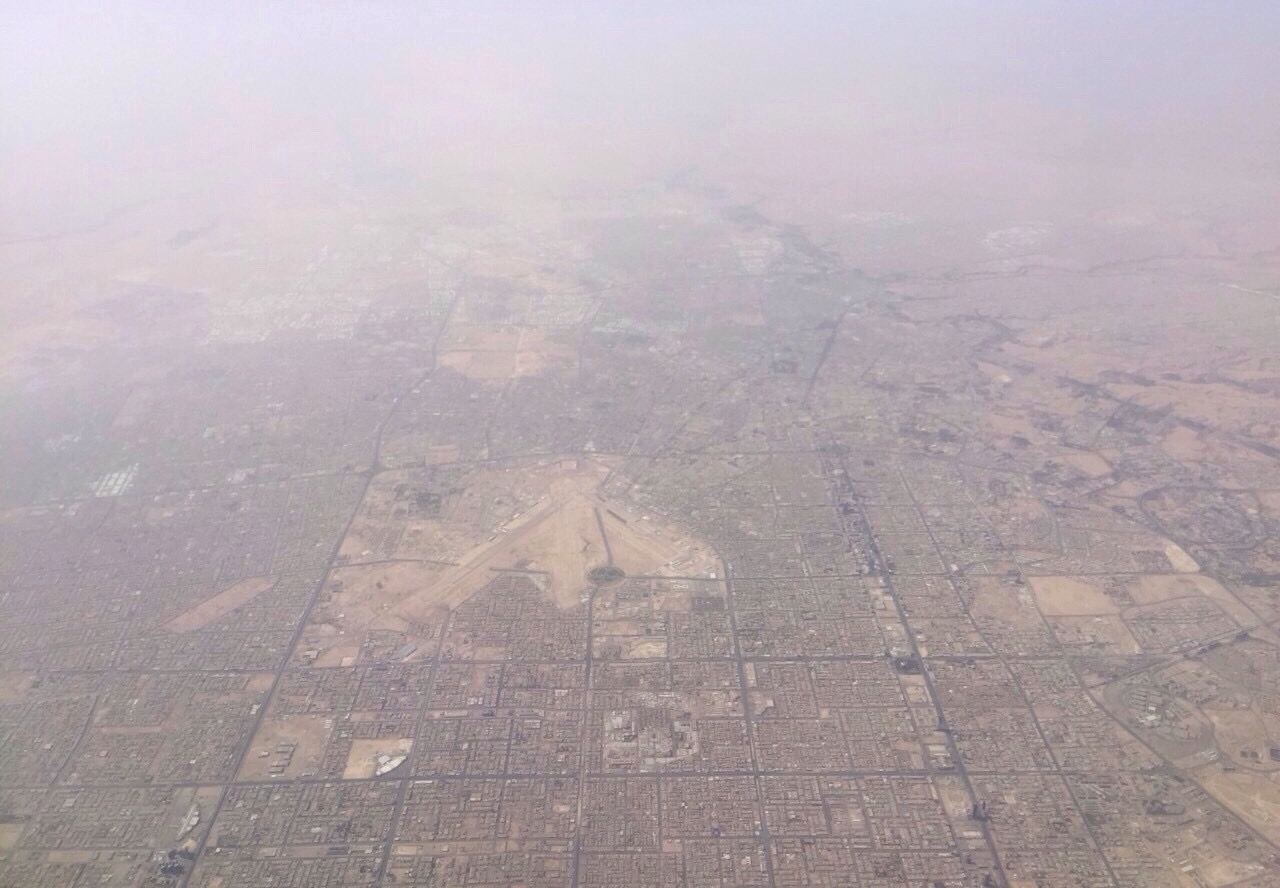
Riyadh Airport Attack: What Happened on Saturday
According to the Journal, which cited Saudi officials, the two terminals suffered a direct hit from missiles and were evacuated. "Large numbers of ambulances and helicopters were sent to collect the wounded, some in critical conditions, and take them to King Fahad hospital in Riyadh," one official said.
People near the airport said they heard multiple loud bangs and saw smoke rising from the area. Flight-tracking data from Flightradar24 showed arrivals canceled or delayed across the board on Saturday afternoon, and one passenger told the Journal his flight to Riyadh was diverted to Dammam instead, forcing him to take a taxi back to the capital.
The Associated Press, citing two regional officials who spoke on condition of anonymity, confirmed the airport had been attacked again on Saturday and evacuated, with air traffic stopped. A Riyadh resident, Ahmed Sayed, told AP he heard at least two loud explosions that rocked the capital.

Casualties and Damage
Saudi officials told the Journal that dozens of people were injured in the strike, while the kingdom's civil aviation authority put the figure more cautiously, saying there were "several injuries" and that the airport would stay closed while the damage was assessed. The gap between the two accounts reflects how tightly Riyadh has controlled information about the attacks: Saudi authorities warned the public this week that filming, publishing or sharing information about missile interceptions and impact sites could bring legal liability.
As of AP's Saturday reporting, no group had publicly claimed responsibility for the latest strike. The Journal, reporting from Dubai, described the attack as the work of Yemen's Iran-backed Houthi militants, citing Saudi officials. The Houthis had claimed responsibility for earlier attacks this week, including one that killed a Sudanese national, but issued no immediate statement on Saturday. The Saudi government-run Center for International Communication did not immediately respond to AP's request for comment.
Flights Canceled Across the Region
The disruption spread quickly through the region's airlines. Reuters reported Saturday that Etihad Airways and flydubai had canceled Riyadh flights scheduled for October 10, while Lufthansa suspended its Riyadh services until October 16. AP separately reported that Air India, FlyDubai, Lufthansa Group and Pakistan International Airlines were among the carriers suspending flights to and from Riyadh and other Saudi airports for the next few days.
FlightAware data cited by AP showed at least 225 flights at the airport had been canceled over the previous 24 hours. Canada's embassy warned of "ongoing military activity" around the airport, while Britain, France and Germany issued travel warnings of their own. Ireland's embassy called the incident "serious."

Trump: US Could Join Saudi Strikes on the Houthis
President Donald Trump told reporters Saturday that the United States could join Saudi strikes on the Houthis in light of the airport attack, the Journal reported — the strongest American signal yet of direct involvement in the widening conflict.
A day earlier, as he left the White House, Trump had been asked about the attacks on the Riyadh airport and told reporters only, "It's not good" and "I'm not happy." At that point, AP noted, there was "no immediate sign of U.S. military support to respond to the attacks." Saudi officials have said American help so far has meant intelligence sharing, target identification and planning for the kingdom's offensive.
A Week of Escalating Strikes
Saturday's attack caps a brutal week for Saudi aviation. The Houthis claimed a series of earlier strikes: one earlier in the week killed a Sudanese national, and a subsequent attack killed three people, including a Saudia pilot, and destroyed a parked passenger jet, according to the Journal.
The Houthis warned global airlines "for the last time" this week about operating in Saudi airspace, which they described as a theater of their military operations. The European Union Aviation Safety Agency has since expanded its guidance on Saudi airspace, noting the Houthis' demonstrated ability to strike targets deeper inside the kingdom, including Riyadh, and warning that missile and drone attacks — and the interception efforts against them — "create an increased risk of misidentification of civil aircraft."
The strikes come after a Saudi-led coalition launched a major military offensive against the Iran-backed Houthis in neighboring Yemen. The coalition has provided air support to Yemeni government forces trying to reverse recent Houthi gains along the Red Sea, a key alternative to the Strait of Hormuz, where Iran has been attacking ships.

Why It Matters
This is no longer a border skirmish — it's a sustained campaign against the capital of the world's largest oil exporter, and it's starting to bite. The continued missile attacks on Riyadh and southern Saudi cities threaten to choke off business travel and tourism just as the busy conference season begins, the Journal noted. A major test comes at month's end, when the Future Investment Initiative summit is expected to draw thousands of global executives to Riyadh.
The economic pressure is already visible. Reuters reported that oil closed above $104 a barrel on Friday, reflecting Middle East supply concerns alongside production shutdowns ahead of a hurricane in the US Gulf of Mexico. Behind the scenes, Saudi leaders are growing more worried that the conflict will damage the economy — and, people familiar with the matter told the Journal, that the kingdom is running into tight supplies of the missile interceptors needed to fend off the attacks. The geopolitical risk firm Dragonfly, which like the Journal is owned by Dow Jones, said in a client note that the kingdom appears to be struggling to intercept the attacks, which are likely to continue.
What Happens Next
Three questions will decide what comes next. First, whether Washington follows through on Trump's Saturday signal and joins Saudi strikes on the Houthis directly — a sharp American escalation. Second, when King Khalid International can safely reopen: the airport stays closed while damage is assessed, and airlines have already canceled days of Riyadh services. Third, whether the Houthis keep up the tempo.
Diplomacy is running in parallel for now. The Saudi and Omani foreign ministers spoke Saturday about "supporting diplomatic solutions to de-escalate tensions," with Oman playing its familiar mediator role, while the UAE's foreign ministry condemned the attacks as a violation of Saudi sovereignty.
Key Takeaways
- Missiles struck Terminals 3 and 4 of Riyadh's King Khalid International Airport on Saturday; both were evacuated and the airport closed, Saudi officials told The Wall Street Journal.
- Dozens of injuries were reported by Saudi officials, though the civil aviation authority said only "several" — casualty figures remain tightly controlled.
- At least 225 flights were canceled in 24 hours; Etihad, flydubai, Lufthansa, Air India and PIA suspended Riyadh services, and Western governments issued travel warnings.
- President Trump said Saturday the US could join Saudi strikes on the Houthis — a sharp escalation from his "not happy" comment a day earlier.
- No group had publicly claimed Saturday's attack at the time of reporting; the Houthis claimed earlier strikes this week that killed four people.
- Oil closed above $104 a barrel Friday as markets priced in the risk to the world's largest oil exporter, with Saudi Arabia's flagship investment summit weeks away.
Frequently Asked Questions
What happened at Riyadh airport on Saturday?
Missiles hit Terminals 3 and 4 of King Khalid International Airport in the Saudi capital on Saturday afternoon, according to The Wall Street Journal, citing Saudi officials. Both terminals were evacuated, air traffic was stopped, and the airport was closed while damage was assessed. Ambulances and helicopters rushed the wounded to King Fahad hospital in Riyadh.
Were people injured in the Riyadh airport attack?
Saudi officials told the Journal that dozens of people were injured, some in critical condition. The kingdom's civil aviation authority gave a lower figure, saying there were "several injuries." The discrepancy reflects Riyadh's tight control of information: Saudi authorities have warned the public that filming or sharing details about missile impacts can bring legal liability.
Did the Houthis claim responsibility for Saturday's attack?
Not as of Saturday's reporting. The Associated Press noted that no group had publicly claimed the latest strike, and the Houthis issued no immediate statement. The Journal described the attack as the work of Yemen's Iran-backed Houthi militants, citing Saudi officials. The group did claim earlier attacks this week that killed four people, including a Saudia pilot.
Which flights and airlines are affected by the Riyadh airport closure?
At least 225 flights were canceled in 24 hours, per FlightAware. Etihad Airways and flydubai canceled their October 10 Riyadh flights, Lufthansa suspended Riyadh services until October 16, and Air India, PIA and others suspended services for several days. Passengers are being told to check flight status with their airlines before heading to the airport.
What did President Trump say about the attack?
On Saturday, Trump told reporters the United States could join Saudi strikes on the Houthis in response to the airport attack, the Journal reported. A day earlier he had only said he was "not happy" about the strikes. American assistance so far has been limited to intelligence sharing, target identification and planning, according to Saudi officials.
Is it safe to travel to Saudi Arabia right now?
Western governments say exercise caution. Canada warned of "ongoing military activity" around the Riyadh airport, Ireland's embassy called it a "serious incident," and Britain, France and Germany issued travel warnings. The US State Department said American officials now need special authorization to use the Riyadh airport, and EU aviation authorities warn of risks to civil aircraft from the missile exchanges.
Sources
- The Wall Street Journal — "Saudi Arabia Closes Airport in Riyadh After Damaging New Houthi Attack" (October 10, 2026)
- Associated Press via ETV Bharat — "Riyadh Airport Attacked Again And Evacuated As Explosions Rock The Saudi Capital" (October 10, 2026)
- Gulf News — "Riyadh Airport Attack Sparks Security Concerns Amid Gulf Shipping Risks and Yemen Conflict" (October 10, 2026)
- Related GlobalDeskNews coverage: Saudi Confirms 3 Killed in Houthi Airport Attacks; Saudi-Led Coalition Destroys 82 Houthi Targets Across Yemen; Yemen Urges UN Action Over Houthi Attack on Aden Airport
By GlobalDeskNews Staff | Published October 11, 2026