
North Korea has test-fired two types of submarine-launched strategic cruise missiles into the East Sea, state media reported on Thursday — a new and different kind of weapons test from the ballistic missile salvo Pyongyang fired two days earlier, which this site reported on October 12. The country's official Korean Central News Agency (KCNA) said the cruise missiles were fired on Wednesday, October 14, into the sea off the North's east coast "without any adverse impact on the security of neighbouring countries".

According to KCNA, the launches "aimed to examine the current mobilised posture of the underwater combat systems" and served as a navy training exercise. The agency said the tests demonstrated the "high reliability, trustworthiness and ability of the war deterrents of the DPRK", referring to North Korea by the abbreviation of its official name. Senior military officers watched the tests, Reuters reported, with KCNA naming Kim Jong-sik, a first vice department director of the ruling Workers' Party Central Committee, and Jang Chang-ha, head of the Missile Administration, as present alongside naval engineers specialising in underwater weapons systems.
There is one caveat worth stating plainly. The report appeared only on KCNA, North Korea's external-facing state news agency, and was not carried by the Rodong Sinmun, the ruling party's newspaper for the domestic population. And unlike the October 12 ballistic launches — which Seoul tracked and announced — South Korea's military did not publicly announce these launches. A public affairs chief of South Korea's Joint Chiefs of Staff told Aju Press: "We do not normally announce cruise missile launches. We only announce ballistic missile launches." The official added: "We were aware of the launch-related activity yesterday."
Why two launch angles matter for North Korea's submarine cruise missiles
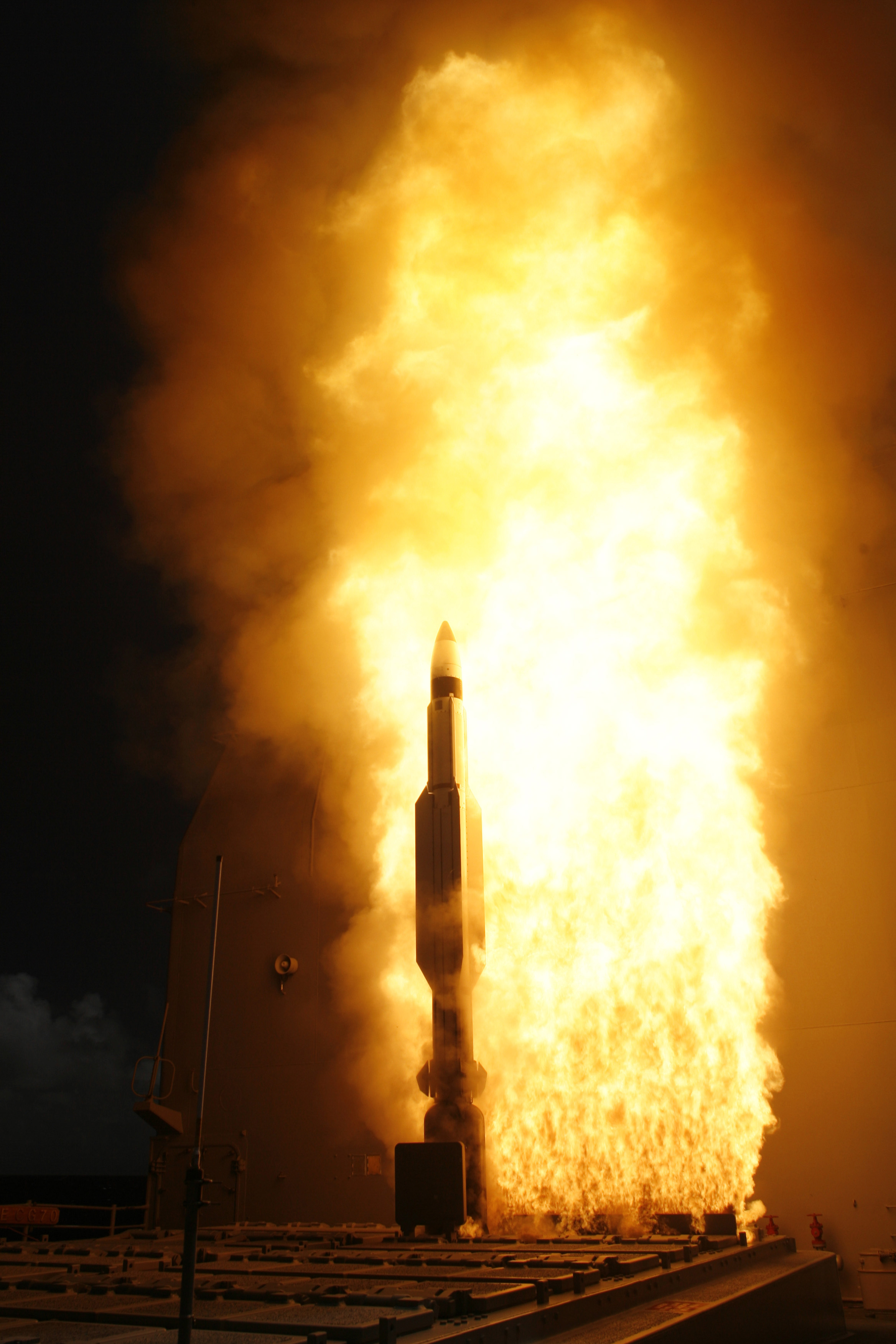
Photos released by KCNA showed one missile blasting vertically out of the sea trailed by a thick plume of smoke, and another projectile erupting from the water at a 45-degree angle. Other images showed a missile flying horizontally over the sea, as well as a submarine travelling on the water's surface.
Analysts say testing both angles at once is the point. Hong Min of the Korea Institute for National Unification told AFP the two launch methods carry "tactical significance" because they serve different purposes: "Vertical launches allow missiles to climb steeply before descending towards their targets, potentially extending their range," he said. "Angled launches, on the other hand, allow missiles to fly at lower altitudes from the outset, making them harder for missile defence systems to detect and intercept."
That is what makes submarine-launched cruise missiles a different threat from the ballistic missiles North Korea usually shows off. Cruise missiles are jet-propelled and fly at lower altitudes, which makes them harder to spot and intercept. And a weapon fired from underwater is harder to find before it launches than one sitting on a launch pad. North Korea has carried out several missile launches from submarines in recent years, though the true state of its sea-based launch capability remains unclear. Reuters noted that Pyongyang is not yet believed to have a modern missile submarine in full operation — a top military priority of leader Kim Jong Un — and that it has been test-launching new missiles from various platforms, including an ageing submarine.


Weeks of friction behind the launch
The timing is not an accident. Relations between the two Koreas have been sliding since a landmine blast on September 21 in the Seoul-controlled area of the Demilitarised Zone, which injured three South Korean soldiers. Seoul said the mines had been planted by the North and demanded an apology; Pyongyang dismissed the claim. Both sides have tested upgraded missile technology in the weeks since, and this month has turned into a tit-for-tat sequence: North Korea carried out multiple ballistic missile tests in October, most recently the October 12 salvo; South Korea test-fired its first homegrown hypersonic missile last week; and Pyongyang said it had launched an AI-assisted intermediate-range hypersonic missile days before that.
Seoul and Pyongyang remain technically at war — the 1953 truce never became a peace treaty — so every test lands where miscalculation is costly. American eyes were watching on Wednesday: Voice of America reported that a U.S. Navy MQ-4C Triton reconnaissance aircraft flew about nine hours over the central peninsula and East Sea, making roughly ten back-and-forth flights, while an Army ARES electronic-intelligence aircraft worked the East and West Seas. U.S. Forces Korea declined to comment on specific assets.


Why it matters
A cruise missile fired from a submarine gives North Korea what it has chased for years: the ability to strike from a position no one can easily track. Land-based missiles are visible from liftoff; a submarine can, in theory, surface anywhere and fire. That second-strike logic is why two underwater launch angles in a single test caught analysts' attention.
There is also a diplomatic clock ticking. Earlier this month, Donald Trump suggested he might meet Kim Jong Un this year, and analysts read the rapid-fire test schedule as leverage-building ahead of any talks — a pattern that mirrors the wider regional testing tempo this month, including Pakistan's Fatah-2 ER launch. If a summit is genuinely being discussed, Pyongyang's habit is to arrive at the table with its newest hardware already demonstrated.
What happens next
South Korea's military will stay on heightened surveillance for follow-on launches — the October pattern suggests more are coming, not fewer. The immediate question is whether KCNA releases flight details or range data for the two new missile types, which it has so far declined to do. The longer question is diplomatic: whether Trump's overtures produce an actual meeting, and whether the underwater tests harden Seoul's stance on missile defence. For now, the sea off North Korea's east coast is the busiest — and most watched — stretch of water in Asia.
Key Takeaways
- North Korea says it test-fired two types of submarine-launched strategic cruise missiles into the East Sea on Wednesday, October 14; KCNA reported the tests on Thursday.
- The two missiles used different launch angles — vertical and 45 degrees — which analysts say carry tactical significance for range and evading missile defences.
- The launch followed weeks of inter-Korean friction after a September 21 landmine blast in the DMZ injured three South Korean soldiers.
- Seoul did not publicly announce the launches; its Joint Chiefs of Staff said cruise missile launches are not normally announced, but that it was aware of the activity.
- A U.S. Navy MQ-4C Triton reconnaissance aircraft and an Army ARES electronic-intelligence aircraft were tracked flying over the peninsula on the same day.
- It is a separate development from the October 12 ballistic missile salvo, not a repeat — a new missile type and a new launch platform.
Frequently Asked Questions
What did North Korea test on October 14?
According to state media KCNA, North Korea's Missile Administration test-fired two types of submarine-launched strategic cruise missiles into the East Sea on Wednesday. KCNA gave no further details on the missiles' flight performance, range, or the launch location beyond the East Sea.
Is this the same as the October 12 North Korea missile launch?
No. On October 12, North Korea fired multiple ballistic missiles toward the sea off its east coast — a launch South Korea's military tracked and announced. Wednesday's test involved submarine-launched cruise missiles, a different weapon type fired from a different platform, reported by KCNA on Thursday.
Why is a submarine-launched cruise missile significant?
Cruise missiles fly at lower altitudes than ballistic missiles, making them harder to detect and intercept. Firing them from a submarine adds concealment: the launch platform can move and hide before firing. Together, the combination strengthens North Korea's ability to strike from unexpected positions.
What does the "two different angles" detail mean?
KCNA photos showed one missile blasting vertically out of the sea and another erupting at a 45-degree angle. Analyst Hong Min told AFP that vertical launches can climb steeply and potentially extend range, while angled launches stay lower from the start, making them harder for missile defences to catch.
Did South Korea confirm the launches?
Not publicly. South Korea's Joint Chiefs of Staff told Aju Press it does not normally announce cruise missile launches — only ballistic ones — but added: "We were aware of the launch-related activity yesterday." The confirmation of the tests themselves comes from KCNA, North Korea's state news agency.
Was the United States watching the test?
American reconnaissance aircraft were active over the peninsula on Wednesday. Voice of America reported that a U.S. Navy MQ-4C Triton flew about nine hours over the central peninsula and East Sea, and a U.S. Army ARES electronic-intelligence aircraft flew between the East and West Seas. U.S. Forces Korea declined to comment on specific assets.
Could this affect US-North Korea talks?
Possibly. Trump has suggested a meeting with Kim Jong Un this year, and analysts say Pyongyang is likely building leverage ahead of any summit by demonstrating new weapons. More tests are expected as long as that diplomatic possibility stays open.
Sources
- The Straits Times (AFP): North Korea test-fires 2 types of submarine-launched strategic cruise missiles: KCNA
- Aju Press: North Korea tests cruise missiles as US surveillance aircraft fly over peninsula
- Reuters (via GMA News Online): North Korea says it tested submarine-launched cruise missiles
- The Manila Times: NKorea test-fires two types of submarine-launched strategic cruise missiles — KCNA
- NDTV: North Korea Test-Fires Two Types Of Submarine Strategic Cruise Missiles