


Union Home Secretary Govind Mohan tendered an "unconditional and unqualified apology" to the Supreme Court on Thursday, October 15, 2026, over restrictions imposed in Delhi ahead of a planned October 10 protest — while defending the 24-hour suspension of cellular internet around Raisina Hill as necessary to prevent public-order disturbances. In an affidavit filed late Wednesday night, Mohan sought discharge of the contempt notice issued against him and asked the court to modify its order to permit internet suspensions "in situations of necessity."
Home Secretary Apologises to Supreme Court: What Happened
The apology caps a five-day standoff between the executive and the judiciary. On October 9, the Supreme Court directed the Centre to lift a complete prohibition on certain services in Delhi and regulate them only so they did not inconvenience ordinary citizens. The Centre went ahead with restrictions anyway — including the cellular internet shutdown from 10 p.m. on October 9 to 10 p.m. on October 10.
On October 11, a day after Delhi Police foiled the planned protest, the court issued contempt notices to three officials: the Home Secretary, the Delhi Police Commissioner, and the DMRC chairperson, for alleged violation of its order. Mohan's four-page affidavit, filed late Wednesday, is his formal answer.
"There was no wilful or deliberate non-compliance with the court's October 9 order," Mohan submitted, according to the Economic Times, which reported the affidavit's contents on Thursday morning.

Why the Internet Was Shut Down, According to the Government
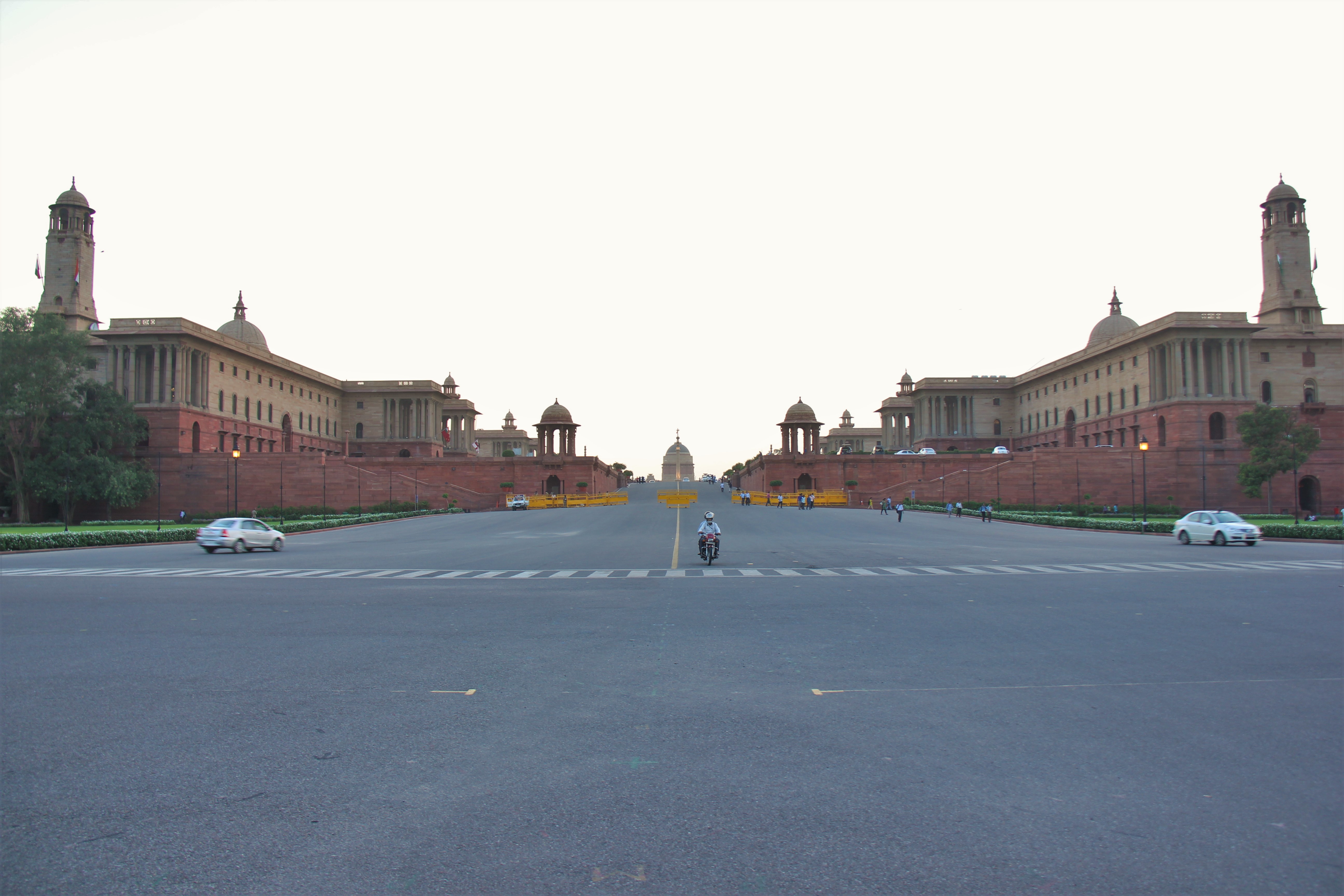
Mohan's affidavit argues the shutdown was a measured response to a specific threat. The Centre's October 9 communication, he said, was aimed at maintaining peace and preventing public-order disturbances, citing a proposed protest allegedly being held without requisite permission — and the Delhi Police's experience during a July 20 protest over the NEET paper leak.
The Delhi Police's request for a one-day cellular internet suspension "was found to be a proportionate measure, having regard to the magnitude of the situation and the need to prevent any disturbance of public order in the national capital," the affidavit said, per the Times of India.
Mohan stressed the limits: the suspension ran exactly 24 hours, covered only a four-kilometre radius of Raisina Hill, and applied solely to cellular internet — not Wi-Fi, broadband, or other telecom services. A limited-period, defined-area shutdown with statutory safeguards, he argued, is a "recognised measure to maintain public order in appropriate circumstances."
What Mohan Wants From the Court Now
Two asks. First, discharge of the contempt notice against him. Second — and more consequential — modification of the Supreme Court's October 11 order, which had directed that "internet facilities should function unhindered." Mohan wants the order adjusted "to the extent necessary to permit the suspension of internet services in situations of necessity, strictly in accordance with law and subject to applicable statutory requirements and safeguards."
In other words: forgive this instance, and don't tie the government's hands for the next one. How the court responds will set the template for every future protest-season standoff between public-order policing and judicial oversight in the capital.


Why It Matters
This is about more than one shutdown. India shuts down the internet more often than any other democracy, and each instance reopens the same unresolved question: where does the state's power to preserve order end and the citizen's right to communicate begin? The Supreme Court has been pushing the executive toward narrower, better-justified restrictions; the executive keeps arguing that protests in the capital are a special case.
Mohan's affidavit is carefully worded to give the court both — contrition for the process, defiance on the principle. Whether the judges accept that split will shape how Delhi is policed the next time thousands plan to march on Raisina Hill.
Key Takeaways
- Home Secretary Govind Mohan tendered an "unconditional and unqualified apology" to the Supreme Court over Delhi's October 9-10 restrictions.
- He denied wilful disobedience, defending the 24-hour cellular internet shutdown (10 p.m. Oct 9–10, 4-km radius of Raisina Hill) as proportionate and legally processed.
- The shutdown covered only cellular internet — Wi-Fi and broadband were excluded, he said.
- Contempt notices were issued October 11 to Mohan, the Delhi Police Commissioner, and the DMRC chairperson after the court found its October 9 order allegedly violated.
- Mohan seeks discharge of the notice and a modification allowing future internet suspensions "in situations of necessity" under legal safeguards.
- Related reading: Rahul Gandhi SIR Plea: Supreme Court Hearing on October 15, Ankita Bhandari's Parents Detained at 4 AM in India Gate Protest, Ankita Bhandari Parents Released, 24-Hour Ultimatum to Centre.
Frequently Asked Questions
Why did the Home Secretary apologise to the Supreme Court?
Govind Mohan faced a contempt notice after the Centre imposed restrictions in Delhi — including a 24-hour cellular internet shutdown — allegedly in violation of the Supreme Court's October 9 order. His affidavit tendered an "unconditional and unqualified apology" while denying wilful disobedience.
When was the internet shut down in Delhi in October 2026?
Cellular internet services were suspended from 10 p.m. on October 9 to 10 p.m. on October 10 — 24 hours — within a four-kilometre radius of Raisina Hill in central Delhi, ahead of a planned October 10 protest, according to the Home Secretary's affidavit.
Was Wi-Fi affected by the Delhi internet shutdown?
No. Mohan clarified the suspension applied only to cellular internet services and excluded Wi-Fi, broadband, and other telecommunication services — a point he used to argue the measure was narrowly tailored.
Who received contempt notices from the Supreme Court?
Three officials: Union Home Secretary Govind Mohan, the Delhi Police Commissioner, and the DMRC chairperson. The notices were issued on October 11 over alleged violation of the court's October 9 order against blanket restrictions.
What did the Supreme Court order on October 9?
It directed the Centre to lift a complete prohibition on certain services in Delhi and regulate them only to the extent that they did not cause inconvenience to ordinary citizens. On October 11 it added that "internet facilities should function unhindered."
What is the Home Secretary asking the court to do now?
Two things: discharge the contempt notice against him, and modify the October 11 order to permit internet suspensions "in situations of necessity, strictly in accordance with law and subject to applicable statutory requirements and safeguards."
Sources
- Times of India: Government apologises to SC, says no wilful violation of its orders
- Economic Times: Home Secretary tenders unconditional apology to SC over non-compliance on Delhi restrictions