


Berlin has made its position unmistakable: Germany backs Zelenskyy. Speaking on Sunday, 11 October, at a leadership meeting of Chancellor Friedrich Merz's Christian Democrats, Foreign Minister Johann Wadephul said Germany "remained by the side of Ukraine and its government" and would continue to "fully support the President as he carries out his difficult duties." The remarks landed a day after Donald Trump said it was "time for Ukraine to get a new president" — a demand that has rattled Kyiv's European allies.
Why Germany backs Zelenskyy after Trump's removal call
Wadephul did not hedge. Addressing the top brass of Merz's conservative Christian Democratic Union (CDU), he said Berlin would stand by Ukraine and its elected leadership — language that left no room for doubt about where Germany sits in the row between Washington and Kyiv. He added that "consistency and clarity" were needed to support Ukraine and bring Moscow to the negotiating table, according to Reuters.
The foreign minister also turned the spotlight back on Russia. Wadephul argued that pressure on Vladimir Putin must be stepped up, not eased, if the Kremlin is ever going to negotiate seriously — a direct counter to the direction of travel in Washington, where the Trump administration has just loosened some of its own Russia sanctions. His message, in plain terms: this is not the moment to go soft.
It matters who delivered the message, and where. Wadephul is not a backbencher freelancing on foreign policy; he is Germany's top diplomat, speaking at his own party's leadership gathering. And he has recent, direct experience of the Russian side: he met his Russian counterpart Sergei Lavrov on the margins of the United Nations General Assembly in New York in September. If anyone in Berlin knows how Moscow reads Western signals, it is him.
The venue was no accident either. A CDU leadership meeting is where Merz's party sets its line, and foreign ministers do not freelance there. Wadephul was speaking with the chancellor's authority behind him — which makes this Germany's position, not one minister's opinion. That distinction will not be lost in Kyiv, where officials have been watching nervously for any sign that Trump's pressure might peel Berlin away.
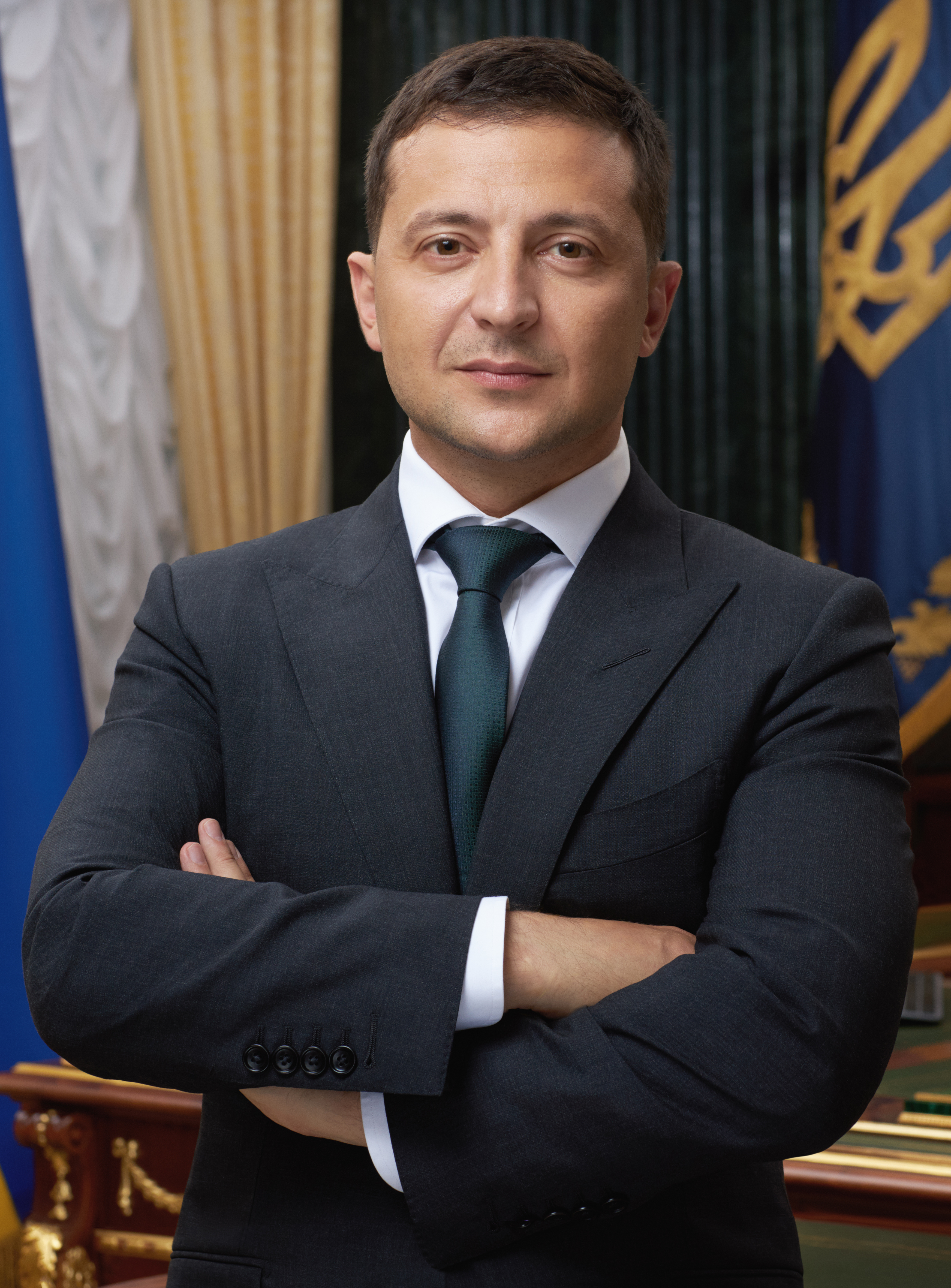

The Trump remarks that forced Berlin's hand
The trigger came on Saturday, 10 October, when Trump told reporters it was "time for Ukraine to get a new president." He also demanded that Kyiv stop striking Russian oil refineries — "He'd better damn well stop," he said, in remarks reported at the time. It was an extraordinary intervention by an American president into the leadership of an allied democracy at war.
The timing made it worse for Berlin. Just days earlier, Trump had announced a diesel supply deal with Russia, and his administration then temporarily lifted US sanctions on Russian fuel. On Saturday, Germany responded with its own statement: it would maintain its sanctions against Russia regardless. Wadephul's Sunday remarks are now the second German rebuke in barely 24 hours — first on sanctions, then on Zelenskyy personally.
Berlin is not alone in pushing back. British Prime Minister Andy Burnham spoke with Zelenskyy on Saturday and told him the UK would continue to strengthen its sanctions on Russia, according to a Downing Street spokesperson. The picture emerging is of Europe's two biggest powers holding a line that Washington has started to abandon.
Why it matters
Start with the money. Germany is the biggest European donor to Ukraine, and Berlin's support is not rhetorical. Chancellor Merz made an unannounced visit to Kyiv on 4 October — barely a week ago — telling Zelenskyy "you can rely on us," while a support package worth more than €1.3 billion and 15 agreements valued above €8.5 billion were announced, according to TRT World. A Germany that wobbles on Ukraine would shake the entire European effort. A Germany that doubles down steadies it.
Then there is the transatlantic picture. Germany and the United States have disagreed on plenty over the decades, but an American president calling for the removal of Ukraine's wartime president — and Germany publicly contradicting him a day later — is a rift of a different order. Wadephul's choice of words was deliberate: backing "the President" by name turns an abstract policy dispute into a personal commitment. It tells Kyiv, Moscow, and Washington exactly where Berlin stands.
And it puts the sanctions question back in the spotlight. The US has temporarily lifted sanctions on Russian fuel as part of Trump's diesel arrangement with Moscow; Germany, Finland, and Estonia have all criticised or distanced themselves from that move. Wadephul's call for more pressure on Putin is Berlin saying, in effect, that the American approach is pointed in the wrong direction.
There is a domestic German angle as well. Merz's government has staked real political capital on Ukraine — the October visit to Kyiv, the billions in aid, the defence industry deals. Walking that back now, under pressure from Washington, would look like weakness at home and invite exactly the criticism Merz's rivals are waiting to make. Standing by Zelenskyy is the politically safer play in Berlin, and Wadephul knows it.


What happens next
The immediate test is diplomacy. The United States is proposing a new round of technical-level talks with Ukraine and Russia, in a trilateral format, before the end of October. The open question is whether Europe — and Ukraine itself — will accept a process shaped by an American president who has just called for Zelenskyy's removal and cut a fuel deal with Moscow. Wadephul's remarks suggest Berlin will not quietly go along with a settlement imposed over Kyiv's head.
Watch the sanctions track, too. If Washington's temporary lifting of fuel sanctions becomes permanent, or spreads to other measures, Germany will face a choice: follow the Americans and fracture the Western sanctions regime, or hold firm with the Europeans and deepen the split. Everything Wadephul said on Sunday points to the second option.
Finally, expect Zelenskyy to keep working the European capitals. He has already spoken with Burnham; Merz was in Kyiv a week ago. With Washington unreliable, Ukraine's survival strategy increasingly runs through Berlin, London, and Paris — and Wadephul has just given Kyiv every reason to keep calling.
One more thing to watch: whether other European leaders follow Wadephul's example with statements of their own. A chorus of backing for Zelenskyy from Paris, Warsaw, and the EU leadership would turn Berlin's position into a continental one — and make it much harder for Washington to isolate Kyiv. If the week passes quietly, though, it may suggest Europe is content to let Germany carry the message alone.

.jpg)
Key Takeaways
- On Sunday 11 October, German Foreign Minister Johann Wadephul publicly reaffirmed Berlin's support for President Volodymyr Zelenskyy, a day after Donald Trump said it was "time for Ukraine to get a new president."
- Wadephul said Germany "remained by the side of Ukraine and its government" and would "fully support the President as he carries out his difficult duties."
- He urged more — not less — pressure on Russia to force Moscow back to peace talks, directly contradicting Washington's recent loosening of fuel sanctions.
- The remarks, made at a CDU leadership meeting, underline a growing rift between Berlin and Washington over Ukraine.
- Germany, the biggest European donor to Ukraine, had already said on Saturday it would maintain its Russia sanctions despite the US move.
- Britain's prime minister also spoke with Zelenskyy on Saturday and pledged to keep strengthening UK sanctions on Russia.
Frequently Asked Questions
Why is Germany backing Zelenskyy?
Germany sees Ukraine's elected leadership as legitimate and essential to any peace settlement. Foreign Minister Wadephul said on 11 October that Berlin remains by Ukraine's side and fully supports Zelenskyy in his duties. As Europe's biggest donor to Kyiv, Germany also has a practical stake: abandoning Zelenskyy would collapse the European effort to sustain Ukraine.
What did Germany say about Trump's call for Zelenskyy's removal?
Berlin contradicted it outright. A day after Trump said on 10 October that it was "time for Ukraine to get a new president," Foreign Minister Johann Wadephul declared at a CDU leadership meeting that Germany fully supports Zelenskyy. The timing made the message unmistakable: Germany will not follow Washington in pressuring Ukraine's president out.
What did Wadephul say about pressure on Russia?
Wadephul argued that pressure on Vladimir Putin must increase, not decrease, if Moscow is to be brought to the negotiating table. He said "consistency and clarity" were needed to support Ukraine and push Russia toward talks — a direct rebuttal of the Trump administration's recent decision to temporarily lift US sanctions on Russian fuel.
Why did Germany keep its Russia sanctions despite Trump's diesel deal?
Berlin does not trust the arrangement. After Trump announced a diesel supply deal with Russia and temporarily lifted US fuel sanctions, Germany said on Saturday it would maintain its own sanctions. German officials have argued that easing pressure now would reward Moscow while the war continues, and Wadephul's Sunday remarks reinforced that position.
Can Europe support Ukraine without the US?
Partially, but not easily. Germany alone has committed billions in military and energy aid this year, and the EU has approved large multi-year packages. But American intelligence, air defence systems, and funding remain hard to replace. Wadephul's remarks signal that Berlin is preparing for a scenario where Europe must carry more of the load itself.
What happens to peace talks now?
The US is proposing technical-level trilateral talks with Ukraine and Russia before the end of October. But Trump's call for Zelenskyy's removal has poisoned the atmosphere, and Berlin's public backing of Zelenskyy suggests Europe will resist any deal imposed over Kyiv's head. Whether the talks happen — and who sits at the table — is now the central question.
Sources
- Reuters: Germany backs Ukraine's Zelenskiy after Trump's call for his removal
- The Straits Times: Germany backs Zelensky after Trump calls for removal
- The Times of India: Breaking news liveblog, October 12
Related on GlobalDeskNews: