
At least 109 migrants are dead and 116 more are missing after a Djibouti migrant boat capsizes on a night crossing toward Yemen — the deadliest single shipwreck on this corridor this year. The vessel, carrying roughly 350 people, went down overnight between October 8 and 9 near Guhere, north of the port town of Obock, the UN migration agency said on Sunday.
Survivors told the International Organization for Migration (IOM) that the boat overturned in the dark while attempting the Bab el-Mandeb Strait — the narrow passage between Djibouti and Yemen, and the first leg of a longer journey many hoped would end in the Gulf states. More than 80 people survived, and every one of them, the IOM says, is an Ethiopian national.
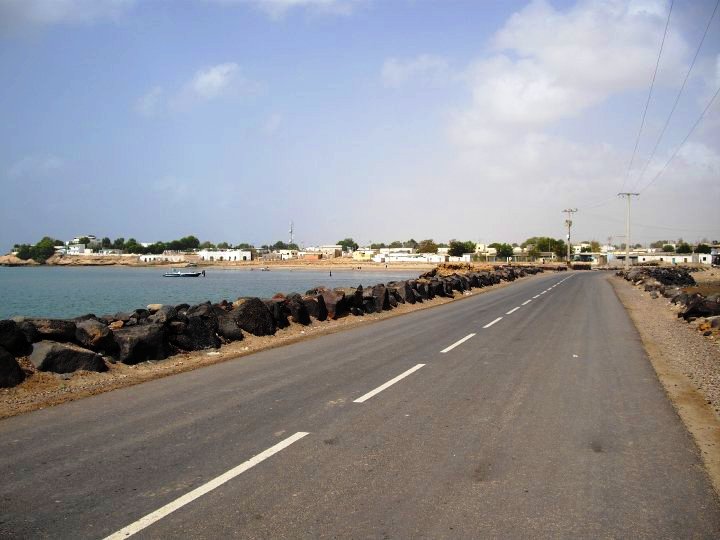

Djibouti migrant boat capsizes near Guhere: what survivors said
Survivor accounts are the backbone of what is known so far: the boat was sailing from Djibouti to Yemen when it capsized in the night near Guhere, a stretch of coast where smugglers launch some of the most overcrowded vessels bound for Yemen's shores.
Among the 109 bodies recovered are 52 men, 42 women and 15 children — nine girls and six boys. With 116 people still unaccounted for, the toll is almost certain to rise. The IOM is assisting 64 survivors at its Migrant Response Centre in Obock, while Djiboutian authorities continue search and rescue operations.
"This is a devastating loss of life. Our thoughts are with the survivors and the families who have lost loved ones or remain without news of their relatives," said Alexandre Coissac, the IOM's chief of mission in Djibouti, adding that IOM teams are on the ground with Djiboutian authorities providing emergency aid.
Who was on board
All of the more than 80 survivors are Ethiopian nationals, the IOM confirmed. An Ethiopian government spokesperson did not immediately respond to requests for comment, Reuters reported.
Most people attempting this journey are from Ethiopia or Somalia, IOM spokesman Kennedy Omondi Okoth told AFP this week, and many end up stranded in Djibouti before ever reaching the water. Ethiopia — Africa's second most populous country, with more than 130 million people — is grappling with deep poverty, internal conflicts and climate change: the three forces the IOM says push people onto this route "despite mounting instability across the Middle East."

.jpg)
The Bab el-Mandeb crossing: one of the world's deadliest migrant routes
This wreck did not happen in isolation. The route from the Horn of Africa to the Arabian Peninsula — the Eastern Route — is among the busiest and most dangerous migration corridors on Earth, and the figures released with Sunday's statement make that brutally clear.
Since September 10 alone, the IOM has detected more than 20,000 crossings into Djibouti from Ethiopia. In 2025, more than 900 migrants died or went missing along the sea route to Yemen — while attempts rose by 18 percent. A separate IOM report counted 922 deaths and disappearances across the full Eastern Route in 2025, nearly double the 558 in 2024: the deadliest year on record there.
It was not even the first wreck of the year off Djibouti. In March 2026, nine people died and 45 went missing when a boat carrying 320 passengers sank north of Obock — almost the same waters where this week's boat went down. The wider region is growing more volatile too, with attacks on commercial vessels in nearby waters this month (read our report on the Hormuz tanker attack) and US strikes on ships suspected of blockade-running (read our report here).


Why it matters
Fifteen of the dead were children. That single fact captures why this story is resonating far beyond the Horn of Africa: families — not just working-age men — are now gambling on one of the most treacherous sea crossings in the world. When smugglers pack 350 people onto a small boat, the disaster is not a freak accident; it is the predictable price of a route where legal pathways have shrunk and smugglers call the shots.
There is a cruel contradiction here as well: migrants keep boarding these boats even though Yemen itself is consumed by war between the Saudi-backed government and the Houthi rebels. Many, the IOM says, do not grasp how bad conditions on the other side have become — fighting has intensified this year, displacing more than 184,000 people in Yemen since August. (Read our coverage of the latest Houthi-linked attack.)
What happens next
In the short term, the focus stays on the water. Djiboutian authorities are continuing search and rescue operations, though hopes for the 116 missing fade with every passing hour. At the Obock Migrant Response Centre, the IOM's 64 survivors will get food, medical care and help contacting families — and, for those who want it, assistance returning home.
The harder question is whether this wreck changes anything. IOM officials have said plainly that enforcement alone will not stop the boats: as long as poverty, conflict and climate shocks push people out of the Horn — and legal routes stay shut — smugglers will keep finding passengers. Expect renewed pressure on Djibouti and donors to fund rescue capacity and safe-pathway programs in the weeks ahead.


Key takeaways
- At least 109 migrants are dead and 116 are missing after a boat carrying about 350 people capsized near Guhere, north of Obock, Djibouti, overnight on October 8–9.
- The dead include 52 men, 42 women and 15 children (nine girls, six boys); more than 80 people survived — all Ethiopian nationals.
- The vessel was crossing the Bab el-Mandeb Strait toward Yemen, the first leg of a route many hoped would end in Gulf countries.
- The IOM is assisting 64 survivors at its Migrant Response Centre in Obock; Djiboutian authorities are still searching for the missing.
- It is one of the world's deadliest corridors: more than 900 migrants died or went missing on the sea route to Yemen in 2025, and a March 2026 wreck killed 9 and left 45 missing.
- The IOM blames poverty, insecurity and climate change — and warns that shrinking legal pathways keep pushing people into smugglers' hands.
Frequently asked questions
How many people died in the Djibouti boat disaster?
The IOM says at least 109 bodies have been recovered — 52 men, 42 women and 15 children, including nine girls and six boys. Another 116 people are missing and feared dead. With about 350 aboard, the final toll could climb as search operations continue.
What exactly happened to the boat?
Survivor accounts cited by the IOM say the boat was sailing from Djibouti to Yemen when it capsized overnight on October 8–9 near Guhere, north of Obock. It was severely overcrowded — roughly 350 people aboard a small boat — and overturned in the dark. No official cause has been determined.
Who were the people on board?
All of the more than 80 survivors are Ethiopian nationals, the IOM confirmed. The agency says most people on this route come from Ethiopia or Somalia, traveling for economic reasons — hoping for work in Gulf countries — driven by poverty, internal conflict and climate pressures at home.
Where is the Bab el-Mandeb Strait and why do migrants cross it?
The Bab el-Mandeb is the narrow strait separating Djibouti from Yemen, linking the Red Sea to the Gulf of Aden. It is the shortest sea crossing on the Eastern Route from the Horn of Africa to the Arabian Peninsula. Migrants cross it on smugglers' boats at night, hoping to travel onward through Yemen to the Gulf states.
Why would migrants head to Yemen, a country at war?
Yemen is not the destination; it is the doorway. Migrants endure the crossing because they believe they can transit Yemen and reach jobs in wealthy Gulf countries. The IOM says many are unaware of how badly the war has worsened conditions, with fighting between the Saudi-backed government and Houthi rebels displacing hundreds of thousands this year.
How dangerous is this route compared to others?
Extremely. More than 900 migrants died or went missing on the sea route to Yemen in 2025, and the IOM recorded 922 deaths and disappearances across the full Eastern Route that year — nearly double the 2024 figure and the deadliest year on record. A March 2026 wreck off the same coast killed nine and left 45 missing.
What is the IOM doing for the survivors?
IOM teams are on the ground in Djibouti with local authorities providing emergency aid. The agency is assisting 64 survivors at its Migrant Response Centre in Obock with food, water, medical care and help contacting families. It also assists migrants who request voluntary return to their home countries.
Sources
- Reuters — "109 migrants, including 15 children dead after boat from Djibouti to Yemen capsizes, UN agency says" (reuters.com)
- Al Arabiya English — "109 migrants dead, 116 missing after boat capsizes off Djibouti: UN" (english.alarabiya.net)
- Arab News — "UN: 109 migrants dead, 116 missing after boat capsizes off Djibouti" (arabnews.com)
- Arab News (AFP) — "Deadliest year ever for Red Sea migrants with 922 deaths: UN" (arabnews.pk)
- Gulf Today — "Over 100 migrants including 15 children dead, 116 missing in boat wreck off Djibouti: UN" (gulftoday.ae)
By GlobalDeskNews Staff